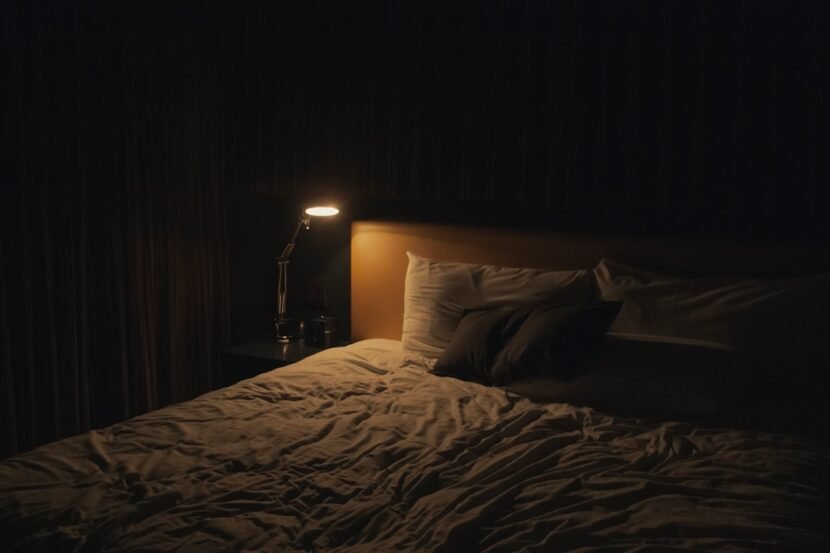
A small bedroom with no natural light is not a lost cause — it is a lighting project. The rooms that feel gloomy are almost always lit by a single overhead bulb; the ones that feel like a boutique hotel use three or four warm light sources at different heights. Here is the full playbook, tested in real rentals with real “why is there no window here” bedrooms.
Decide the mood first: bright imitation or cozy cave
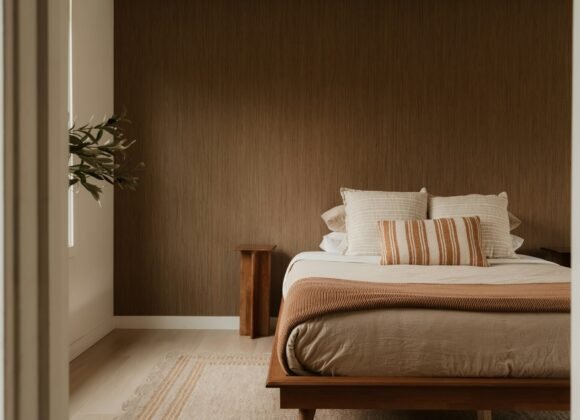
You have two viable strategies. Imitation daylight: light walls, mirrors, daylight bulbs — fights the darkness. Deliberate cocoon: deep warm tones, layered lamps, textures — embraces it. Both work; the failure mode is the timid middle (beige walls, one cool bulb). In small windowless rooms, the cocoon is usually easier to pull off and photographs beautifully — see our cozy bedroom ideas for the aesthetic.
The lighting formula for windowless rooms
- Ambient: a ceiling fixture with a warm bulb (2700K) behind a fabric or frosted shade — never a bare bulb.
- Task: bedside lamps or plug-in wall sconces at head height on both sides of the bed.
- Accent: an LED strip behind the headboard or on top of a wardrobe, aimed at the ceiling — this fakes the soft bounce natural light would give.
- Optional “window”: a sunrise alarm lamp gives the room a morning; users consistently report easier wake-ups in dark rooms, which aligns with Sleep Foundation guidance on light and circadian rhythm.
Color: go warm, whatever you do
Without daylight, cool grays and blue-whites turn morgue-like. Warm tones — cream, clay, terracotta, olive, chocolate — flatter artificial light. Renters can do all of it with textiles: bedding, curtains (yes, curtains — more below), an upholstered headboard, a warm rug. Our earth tones design guide maps the palette.
The fake window trick (it works)
Hang floor-length curtains on a wall where a window plausibly could be, and place a mirror partially behind the opening. The brain fills in the rest. Add the LED backlight behind the curtain edge and the illusion is complete. It sounds absurd and looks fantastic — this is a staging-industry standard for basement conversions.
Mirrors, surfaces and things that bounce light
Every light source you add pays double if something reflects it: one large mirror, a glass lamp base, a lightly metallic cushion or frame. Keep it to two or three reflective elements — a disco of shine reads cheap. Matte dark walls plus a few reflective accents is the designer combination.
Keep air and function honest
Windowless rooms accumulate stale air and moisture. A small fan, a door left ajar with a fabric door-stop, and a low-maintenance plant that tolerates low light (ZZ plant, pothos) keep the room feeling alive. Storage should be closed — in a dim room, visual clutter reads twice as heavy. Our small bedroom storage ideas cover the options, and renter-friendly bedroom ideas has the damage-free methods.
Small bedroom no natural light: frequently asked questions
What is the best lighting for a bedroom with no windows?
Three to four warm (2700K) sources at different heights: a shaded ceiling light, two bedside lights, and an indirect accent aimed at the ceiling. Avoid a single overhead bulb — it creates flat, shadowless gloom.
What colors make a dark bedroom look better?
Warm tones. Either light-and-warm (cream, sand) to maximize brightness, or deep-and-warm (olive, terracotta, chocolate) for a deliberate cozy look. Avoid cool grays and stark white, which look lifeless under artificial light.
Can a windowless bedroom feel cozy instead of claustrophobic?
Yes — layered warm lighting, textured textiles, one large mirror, closed storage and a fake-window curtain wall transform the psychology of the room from “box” to “den.”