A small living room is not a design problem, it is a design puzzle, and puzzles are satisfying to solve. The goal is never to cram in more, it is to make the space you already have feel open, calm, and intentional. These small living room decor ideas are the exact tricks interior designers use to trade square footage for the feeling of space, and most cost very little or nothing at all.
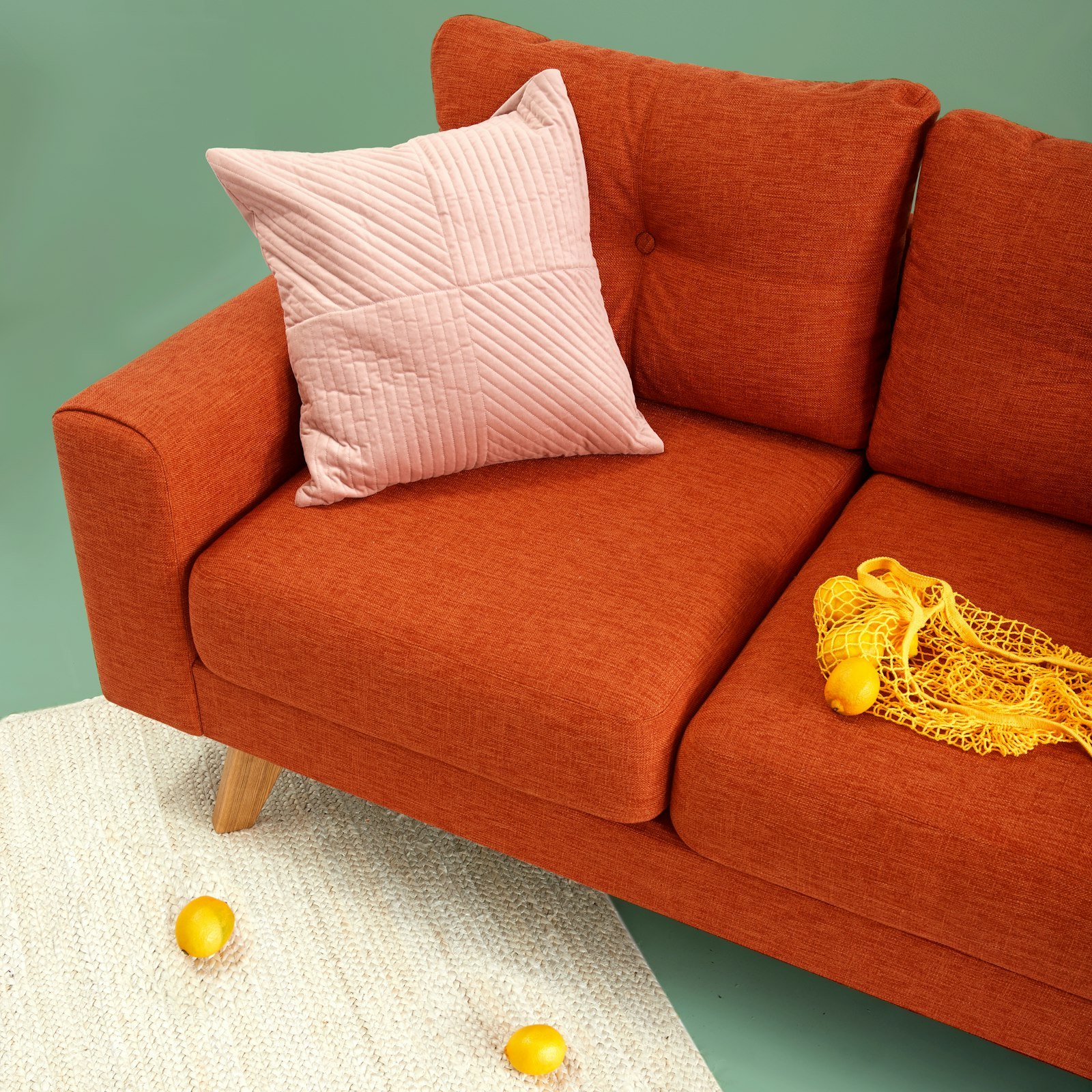
Work through them in order for a full refresh, or cherry-pick the ones that fit your space and budget.
Start with light and color
1. Go light on the walls
Pale, cool tones reflect light and visually push the walls outward. Soft white, greige, pale sage, and light blue-grey are safe, elegant bets. Save bolder color for a single accent wall or accessories.
2. Let the natural light in
Swap heavy drapes for sheer panels, keep sills clear, and move furniture away from windows. Natural light is the cheapest, most effective space-expander there is.
3. Layer your lighting
One harsh overhead light flattens a room. Add a floor lamp and a table lamp so light comes from several heights and creates warm pools instead of one flat glare.
4. Paint the ceiling lighter than the walls
A bright ceiling draws the eye upward and makes the room feel taller.
Choose furniture that earns its place
5. Pick legs over skirts
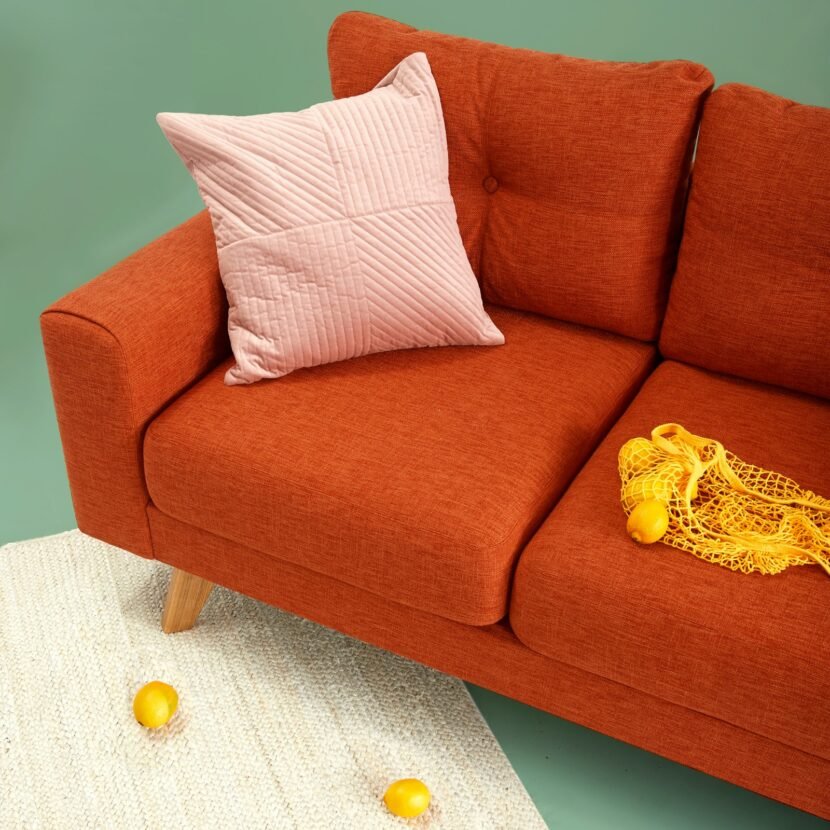
Sofas and chairs with visible legs let light and floor show through underneath, which reads as far more open than bulky furniture that sits flush to the ground.
6. Scale down, but not too far
Choose a sofa properly sized to the room, but avoid a scatter of tiny pieces, which looks cluttered. One appropriately sized sofa beats two undersized chairs.
7. Make everything multi-task
A storage ottoman, a nesting coffee table, a bench with baskets underneath. Every piece should do at least two jobs.
8. Float furniture off the walls
Pushing everything flat against the walls makes a room feel like a waiting area. Pulling a sofa a few inches forward makes the layout feel intentional.
9. Choose furniture you can see through
A glass or acrylic coffee table takes up visual space without blocking sightlines, so the room feels less crowded.
Use vertical space and visual tricks
10. Draw the eye up
Hang curtains close to the ceiling and use tall, narrow shelving. Vertical lines trick the eye into reading the ceiling as higher.
11. Add a large mirror
One big mirror opposite a window doubles the light and visually doubles the room. If you do only one thing on this list, do this.
12. Keep the floor clear
Wall-mounted shelves and floating consoles free up floor space, and visible floor equals perceived space.
13. Use a rug that fits
A too-small rug shrinks a room. Choose one large enough for at least the front legs of your furniture to rest on.
14. Create clear pathways
Arrange furniture so there is a clear path through the room and an unobstructed line of sight to the far wall or window.
Storage and clutter control
15. Hide clutter in stylish storage
Baskets, closed cabinets, and lidded ottomans corral the mess that makes small rooms feel chaotic. Clutter is the number one enemy of a small living room.
16. Go vertical with shelving
Tall shelving stores more while taking up minimal floor space and drawing the eye upward. Style it sparingly.
Style with restraint
17. Edit your accessories
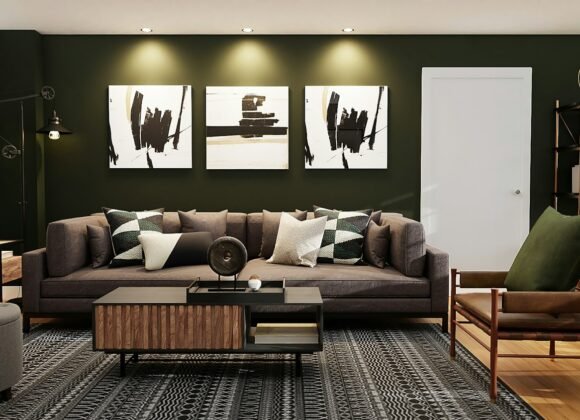
A few well-chosen objects look intentional, a dozen small ones look like clutter. Group decor in odd numbers and vary the heights.
18. Stick to a tight palette
Two or three colors throughout the room create calm and cohesion.
19. Bring in one tall plant
Greenery adds life and, placed in a corner, draws the eye up without taking floor space.
20. Create one clear focal point
Art, a fireplace, or a window view. Give the eye one place to land so the room feels composed rather than busy.
The one rule that ties it all together
In a small living room, empty space is a design element, not a failure to fill. The breathing room between objects is exactly what makes a small space feel generous and deliberately designed. Restraint is the most powerful, and cheapest, tool you have.
Frequently asked questions
How do you make a small living room look bigger?
Use light wall colors, maximize natural light, and add a large mirror opposite a window. Choose furniture with visible legs, hang curtains high, keep the floor clear, and stick to a tight palette.
What furniture is best for a small living room?
Appropriately scaled, multi-functional pieces such as a storage ottoman, nesting coffee table, glass side table, and a sofa with exposed legs. Avoid a cluster of tiny pieces.
Should a small living room be light or dark?
Light, cool tones generally make a small room feel more open because they reflect light. If you love dark colors, use them on a single accent wall or in accessories.
Where should you put a sofa in a small living room?
Against the longest wall, or floated a few inches forward to define the space, paired with a properly sized rug, rather than pushing every piece flat to the walls.