An accent wall is a single wall finished differently from the rest of the room, with a bolder paint color, wallpaper, wood paneling, molding or tile, so it becomes the focal point. The best accent wall ideas start with the right wall (usually the one behind the bed, the sofa or the fireplace, or the first wall you see when you walk in) and then match the treatment to your budget and whether you own or rent. Below are 18 ideas, from a weekend of painting to panel and tile projects, plus tips on choosing colors and the mistakes that make an accent wall look like an afterthought.
How to choose the right wall
Before picking a finish, pick the wall. A good accent wall is one your eye already goes to, so the treatment reinforces the layout of the room.
- Behind the headboard in a bedroom, since the bed is already the focal point.
- Behind the sofa or the TV in a living room, depending on which way the seating faces.
- The fireplace wall, if you have one.
- The wall facing the entrance, so the room makes an impression as soon as you walk in.
- The end wall of a long, narrow room, which can make the space feel less like a corridor.
Walls broken up by several doors, windows or radiators rarely work, because the treatment gets chopped into small pieces. A solid, uninterrupted wall gives you the most impact for the effort.
Paint accent wall ideas
Paint is the cheapest and fastest option, and it’s easy to change later.
1. A deep, saturated color
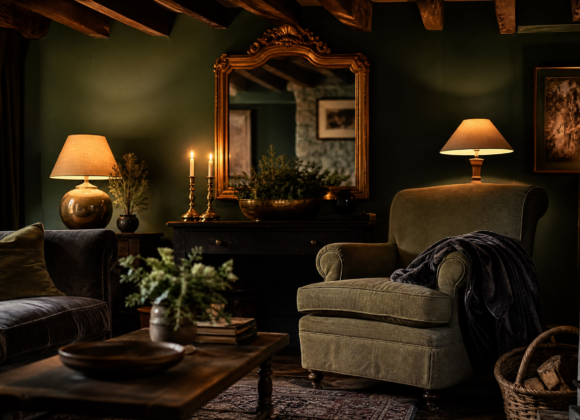
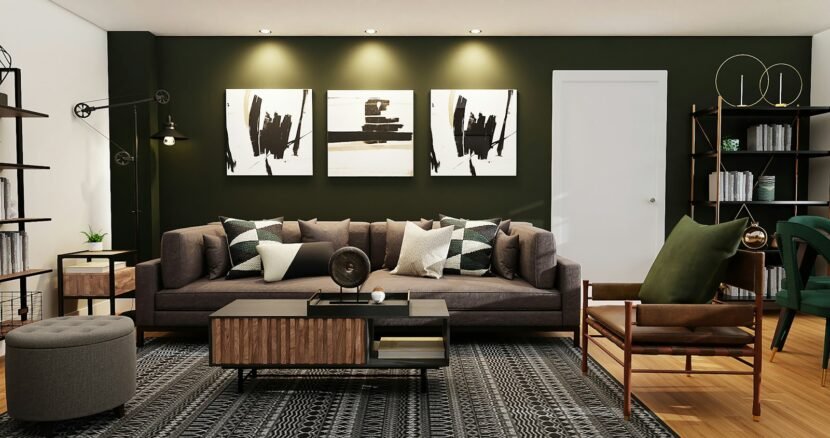
Navy, forest green, charcoal, oxblood or chocolate brown on one wall adds depth without committing the whole room. Dark colors on the wall behind a bed or sofa make the furniture in front stand out. If you like blue, our roundup of French blue paint colors for the living room has softer options that still read as a statement.
2. Color drenching on one wall
Paint the wall, its baseboard and any trim or molding in the same shade. It looks deliberate and modern, and it hides awkward trim you’d rather not draw attention to.
3. Two-tone or half-painted wall
Paint the lower third or half of the wall in a darker shade and the top in a lighter one, with the line at chair-rail height or just above furniture. It’s a good way to add color in a room with low ceilings, since the lighter upper section keeps it open.
4. Painted arch
A painted arch behind a bed, desk or console makes an easy, renter-friendly headboard or frame. Mark the curve with a pencil tied to a string pinned at the center point, then tape and paint.
5. Geometric or color-block shapes
Overlapping circles, diagonal blocks or simple stripes in two or three related colors work well in kids’ rooms, offices and entryways. Use painter’s tape and a level, and press the tape edges down firmly so the paint doesn’t bleed.
6. Limewash or plaster-look finish
Limewash and clay-based paints create a soft, cloudy texture that looks handmade. They suit earthy, Mediterranean and minimalist rooms, and they work best on walls that are primed with the product the manufacturer recommends.
Wallpaper accent wall ideas
7. Peel-and-stick wallpaper
Peel-and-stick paper is the go-to for renters because it can usually come off without damaging paint, though results depend on the wall surface, so test a small piece first. For more on patterns and tips, see our guide to removable wallpaper ideas for rentals.
8. Large-scale mural wallpaper
Scenic murals, botanical prints and landscape panels fill a whole wall and turn it into artwork. They suit dining rooms and bedrooms where you want a single strong feature.
9. Grasscloth or textured wallpaper
Natural-fiber and textured papers add warmth without a loud pattern. They are more delicate than vinyl papers, so keep them away from bathrooms and kitchens where splashes and humidity can stain them.
Wood and paneling accent wall ideas
10. Board and batten
Vertical strips of wood (battens) fixed over the wall at regular intervals, often with a horizontal rail at the top, then painted one color. It adds shadow lines and structure and works in bedrooms, entryways and dining rooms.
11. Picture-frame molding
Thin molding arranged in rectangles gives a wall a classic, Parisian-apartment feel. Painting the molding the same color as the wall keeps it subtle; a contrasting shade makes it more graphic.
12. Shiplap
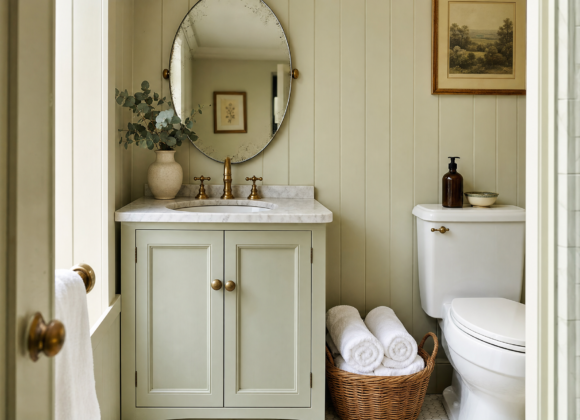
Horizontal boards with small gaps between them are associated with farmhouse and coastal styles. Laying boards vertically makes a room feel taller, and painting them a dark color gives shiplap a more modern look.
13. Vertical wood slat panels
Slatted wood or wood-effect panels on a felt backing are popular behind TVs and beds. They add warmth, and the felt backing also softens echo a little in rooms with hard floors. Many are sold as ready-made panels that screw into the wall.
14. Fluted or reeded panels
Rounded vertical ridges catch the light and add texture. Fluted MDF or polymer panels can be painted any color and work well on a headboard wall or behind a console.
Other accent wall ideas
15. Tile or brick veneer
Tile is a natural choice for a kitchen backsplash wall, a bathroom vanity wall or a fireplace surround. Thin brick veneer gives an industrial or loft feel without the weight of real brick. Both are bigger projects, and tile in particular is hard to remove, so they suit homeowners more than renters.
16. A gallery wall
A tightly arranged group of frames, mirrors and small objects can act as an accent wall on its own, especially over a sofa or along a stairway. Lay the arrangement out on the floor first, or trace each frame on paper and tape the templates to the wall before you drill.
17. Built-in or floating shelves
A wall of shelving painted in a contrasting color turns storage into the focal point. Floating shelves filled with books, plants and ceramics suit living rooms and home offices.
18. Oversized art or fabric
One very large canvas, a textile hanging or a tapestry mounted on a rod adds color and pattern with no permanent change to the wall. This is one of the simplest renter-friendly options.
Accent wall ideas at a glance
| Idea | Relative cost | Skill level | Renter-friendly? |
|---|---|---|---|
| Paint (solid, two-tone, arch) | Low | Beginner | Often, with landlord approval |
| Peel-and-stick wallpaper | Low to medium | Beginner | Usually |
| Traditional wallpaper | Medium | Intermediate | No |
| Board and batten or molding | Medium | Intermediate | No |
| Wood slat or fluted panels | Medium to high | Intermediate | Sometimes, with freestanding options |
| Tile or brick veneer | High | Advanced | No |
| Gallery wall or large art | Low to medium | Beginner | Yes, with small nails or damage-free hooks |
Material and labor costs vary a lot by region and product, so get quotes or price out materials before you start a larger project.
Choosing a color and finish
Test paint colors on the wall itself. Paint two large swatches and look at them in the morning, at midday and under your evening lamps, because the same color can shift noticeably. A north-facing room tends to make colors look cooler and grayer, while a south-facing room warms them up.
For sheen, matte and eggshell finishes hide small wall imperfections better than satin or semi-gloss, which reflect more light and show every bump. Use a more durable, scrubbable finish in hallways, kids’ rooms and kitchens.
In a small room, a dark accent wall can make the corners recede, which often makes the room feel cozy. If you’re working with a tight space, our guide on how to make a small room look bigger on a budget explains how color, lighting and mirrors work together.
Accent walls for renters
If you rent, check your lease before painting. Many landlords allow it if you repaint before you leave, but some don’t. Damage-free options include peel-and-stick wallpaper, freestanding slat panels, a large rug or tapestry hung from a rod, and gallery walls hung with small nails that leave tiny, easily filled holes. Our list of rental-friendly decor ideas that cause no damage has more options.
Common accent wall mistakes
- Choosing a wall because it’s convenient rather than because it’s a natural focal point.
- Picking a wall broken up by doors and windows.
- Using a color with no connection to the rest of the room. Repeat the accent shade at least once in a pillow, rug or piece of art.
- Adding too many focal points. An accent wall, a bold rug and a patterned sofa can compete with each other.
- Skipping prep. Filling holes and sanding before painting or papering makes a big difference to the final result.
Frequently asked questions
Which wall should be the accent wall?
Usually the wall your eye lands on first when you walk in, or the wall behind the main piece of furniture, such as the bed, sofa or fireplace. Avoid walls with several doors or windows.
Do accent walls make a room look smaller?
Not necessarily. A dark color on the far wall of a room can make it feel more enclosed and cozy, while a lighter or patterned wall can draw the eye outward. Placement and lighting matter more than the color alone.
Are accent walls out of style?
The single bright wall of color common in the 2000s is less popular now, but textured and architectural treatments like paneling, limewash, molding and color drenching are widely used. A well-chosen accent wall still looks current.
Can I have an accent wall in a rental?
Yes. Peel-and-stick wallpaper, freestanding panels, large art and gallery walls are all low-risk options. Ask your landlord before painting, and keep a record of their approval.