If you’re lying awake staring at the ceiling more nights than you’d like to admit, your bedroom might be working against you instead of for you. The good news is that cozy bedroom ideas for deep sleep and slow mornings aren’t about spending a fortune or gutting the room down to the studs. Small, intentional changes to light, texture, scent, and layout can turn a room you merely sleep in into a space that actually helps you sleep better and wake up feeling like you have time to breathe. Let’s walk through the practical shifts that make the biggest difference, room by room, corner by corner.
Start With Light, Not Furniture
Before you think about a new duvet or a fresh coat of paint, look at how light moves through your room. Light is the single biggest driver of your sleep cycle, and most bedrooms are set up to fight against it rather than work with it.
- Swap thin curtains for blackout or room-darkening drapes in a soft, heavy fabric like velvet or a lined linen blend. They block streetlights and early sunrise without making the room feel like a cave.
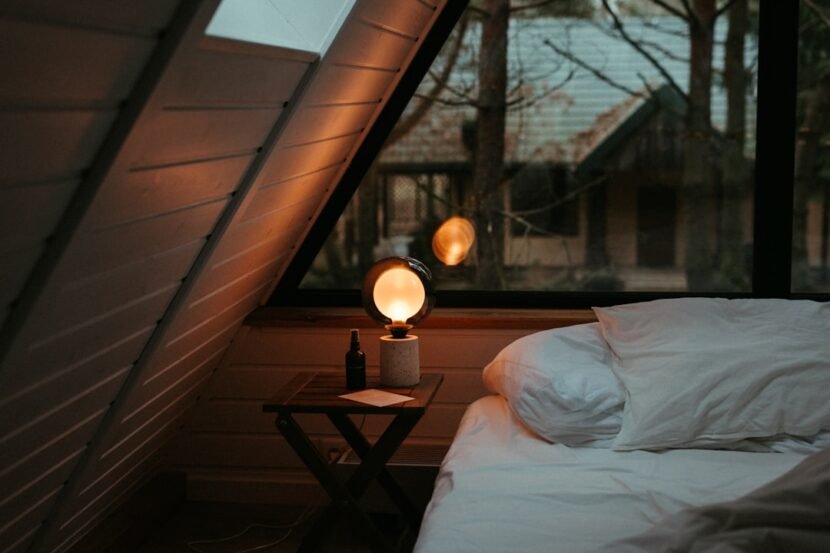
- Add a warm-toned lamp with a dimmer near your bed. Bright overhead lighting at night tells your brain it’s still daytime, which delays melatonin and makes it harder to wind down.
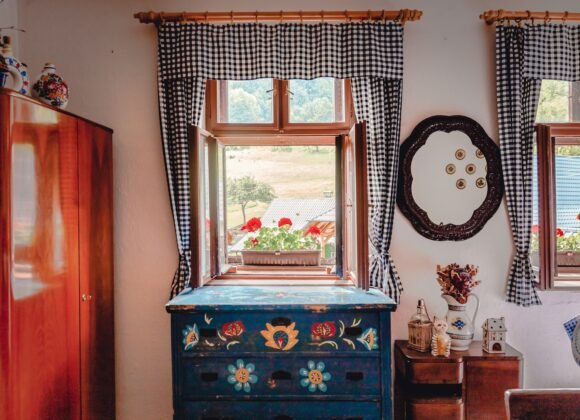
- Let morning light in gradually with a sheer layer under your blackout curtains, so you can crack them open on weekends for that slow, sun-soaked wake-up instead of an abrupt jolt.
Choose Bedding That Feels Like a Hug
This is the part of cozy bedroom ideas people skip because it feels indulgent, but bedding is where comfort actually lives. You touch it for eight hours a night, so it deserves more thought than “whatever was on sale.”
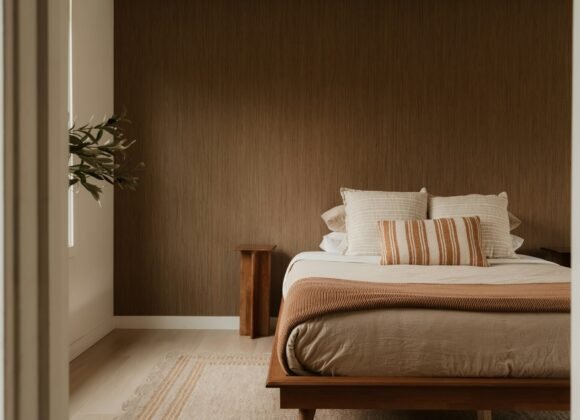
Look for natural fibers like cotton percale if you tend to run warm, or a brushed cotton flannel or linen blend if you’re always cold. Layer a lightweight quilt under a heavier duvet so you can adjust for the season without buying all new bedding. A weighted blanket, even a light seven or eight pounder, can genuinely calm a racing mind at bedtime by applying gentle, even pressure across your body.
Pillow Talk
Don’t sleep on your pillows, literally rethink them. Side sleepers usually need a firmer, thicker pillow to keep the neck aligned with the spine, while back sleepers do better with something thinner and softer. If you wake up with a stiff neck more than once a week, that’s your pillow talking to you.
Bring In Texture So the Room Feels Warm, Not Sterile
A room can look pretty in photos and still feel cold and uninviting in real life if everything is smooth, hard, and shiny. Cozy comes from contrast and texture, not from matching everything perfectly.
- Layer a chunky knit or sherpa throw at the foot of the bed for visual warmth, even if you never actually use it under the covers.
- Add a soft rug on at least one side of the bed so your feet never touch cold floor first thing in the morning.
- Mix materials: a wood nightstand, a woven basket for extra blankets, a linen headboard. Variety is what makes a room feel collected and lived-in instead of showroom-perfect.
Get the Temperature and Air Right
Most sleep experts agree that a slightly cool room, somewhere around 65 to 68 degrees Fahrenheit, is ideal for deep sleep. If your bedroom runs warm, breathable cotton sheets and a fan can make a bigger difference than any amount of styling.
Air quality matters just as much as temperature. A small air purifier humming quietly in the corner, or simply cracking a window for ten minutes before bed, can clear out stuffiness that keeps you tossing and turning. If dry air is an issue in winter, a humidifier with a low, steady setting helps keep your skin and sinuses from waking you up at 3am.
Curate What You See Right Before You Close Your Eyes
The last thing your eyes land on before sleep matters more than you’d think. A cluttered dresser, a pile of laundry, or a glowing phone screen all send the wrong signal to your nervous system.
Keep the nightstand simple: a lamp, a book, a small dish for jewelry or glasses, and maybe a candle you never light because it smells too good to burn. Everything else goes in a drawer. If you can see your closet from bed, a curtain or simple doors instantly calm the visual noise. Consider hanging one piece of art you genuinely love across from the bed instead of a gallery wall of ten things, since one calming focal point beats a dozen competing ones.
Design for Slow Mornings, Not Just Good Nights
A cozy bedroom for deep sleep and slow mornings has to work both ways. Think about what you actually want to do the moment you open your eyes, and set the room up to support that instead of fighting it.
- Keep a small reading chair or a wide windowsill nook if you have the space, somewhere you can sit with coffee before the day officially starts.
- Place your phone charger across the room, not on the nightstand, so reaching for your phone isn’t the automatic first move of the day.
- Add a plant or two near the window. Tending to something small and green in the morning light is a gentle, grounding ritual that doesn’t require any willpower.
Scent Sets the Mood Too
Smell is deeply tied to memory and mood, so a signature scent for your bedroom, whether that’s lavender, sandalwood, or something citrusy for mornings, can train your brain to associate the room with rest. A simple reed diffuser or a linen spray on your pillow works just as well as anything fancier.
Keep the Palette Soft and Muted
Bold, saturated colors have their place, but they’re rarely restful. Warm neutrals, soft sage, dusty blue, and gentle terracotta tend to photograph beautifully and, more importantly, feel calm to actually live with. If you’re renting or hesitant to commit to paint, a large piece of soft-toned art or a textured wall hanging behind the bed can do the same visual work without the commitment.
None of this requires a full renovation or a weekend of hard labor. Pick one or two ideas that speak to you most, whether that’s finally hanging real curtains or clearing off your nightstand, and build from there. A bedroom that supports deep sleep and slow, unhurried mornings is really just a room that’s been edited down to what you love and what actually helps you rest, and that kind of coziness tends to grow on its own once you give it room to.