Hygge (pronounced hoo-gah) is a Danish and Norwegian concept that has no direct English translation, which tells you something about how thoroughly the idea of deliberate cosiness is woven into Scandinavian culture. The closest we get is something like “a quality of cosiness and comfortable conviviality that engenders a feeling of contentment or well-being.” Which still does not quite capture it.
What hygge actually feels like is this: candles lit on a dark afternoon, a warm drink in a heavy mug, blankets that are genuinely warm rather than decorative, the slow pleasure of a good book or good company. It is not an aesthetic. It is an atmosphere. And you can create it in any living room, including a small rented apartment, for very little money.
The Key Principles of Hygge Living Room Design
Understanding what hygge is trying to achieve makes it much easier to create. The core principles are warmth (physical and visual), softness, candlelight, an absence of harsh or stressful elements, and the presence of things that invite slow enjoyment rather than efficiency.
Hygge is anti-maximalist but not minimalist. It is warm, layered, and unpretentious. The opposite of a showroom.
Hygge Living Room Ideas You Can Implement This Weekend
Candles Everywhere (No, Really)
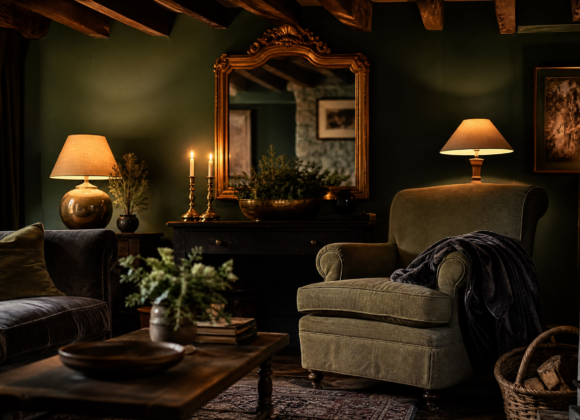
Danes burn more candles per person than any other country in the world, and this is not a coincidence. Candlelight is the defining element of hygge because it creates warmth, softness, and impermanence in a way that electric light simply cannot. The flicker is part of it.
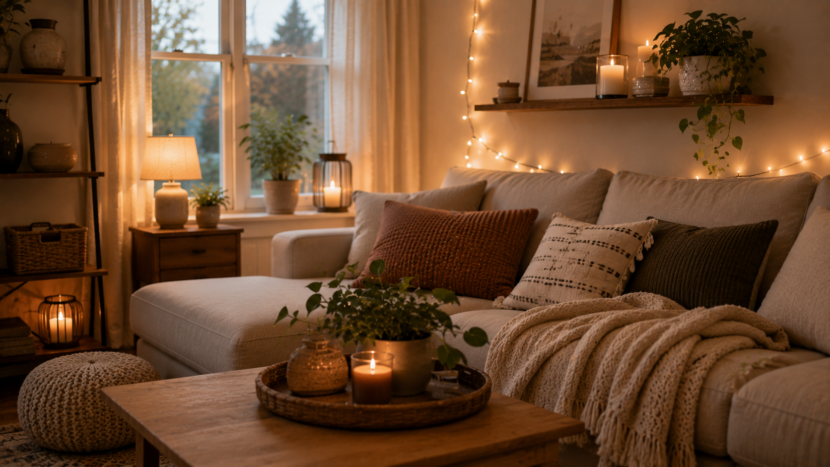
Group candles in different heights on a tray, on the coffee table, on the windowsill, and on any surface that is visible from the sofa. Soy candles in warm, grounding scents (amber, sandalwood, cedar, vanilla) add a scent dimension to the atmosphere. This is one of the cheapest and most effective room transformations available.
The Blanket Situation
Hygge living rooms have blankets within reach of wherever you sit. Not decorative blankets that are annoying to actually use, but genuinely warm, touchably soft blankets that you pull over yourself without ceremony. A chunky knit throw, a wool blanket, a fleece, whatever your preferred texture is, folded on the arm of the sofa or in a basket beside it.
Multiple blankets are encouraged. A basket of blankets in the corner of a hygge living room is both practical and beautiful. Woven rattan or seagrass baskets in warm neutral tones hold three or four throws without looking cluttered.
Layers of Warm Lighting
Turn off the overhead light. This is the single most impactful hygge change you can make in any room. Replace it with a floor lamp, two table lamps, candles, and fairy lights in any combination. The layering of multiple warm light sources at different heights creates depth and warmth that transforms the same room completely.
Warm white bulbs (2700K or lower) are essential. The bluish light of daylight bulbs is antithetical to hygge. See our full lighting guide for cozy living room lighting ideas.
Natural Materials Throughout
Hygge interiors favour natural materials: wood, wool, linen, cotton, jute, stone, and clay. These materials have a warmth and texture that synthetic alternatives cannot replicate, and they age beautifully rather than looking tired. A wooden coffee table, linen cushions, a jute rug, and woollen blankets create the tactile richness that is central to the hygge experience.
Natural materials also tend to work in warm, earthy colour palettes by default, which reinforces the visual warmth of the space. For styling inspiration, see our earthy home decor ideas guide.
A Nook or Corner That Invites Staying
Every hygge living room has a spot that clearly says: sit here and stay a while. This might be an armchair with a side table and a lamp, a window seat with cushions and a view, or simply the best corner of the sofa with a lamp positioned perfectly beside it. Define this spot deliberately and make it irresistible. A small side table for a drink, a stack of books, and a lamp at the right height are all it takes.
Books and Tactile Objects
Books in a living room are inherently hygge because they signal the possibility of slow, unscheduled time. A stack of books on the coffee table, a small bookcase in the corner, a book left open on the sofa arm. Objects that have texture and story also contribute: a worn ceramic mug, a handmade wooden bowl, a plant that has visibly lived for a while.
Warm Scent
The scent of a room is part of its atmosphere, and hygge scents are warm and natural. Candles in amber or sandalwood, a simmer pot with orange peel and cinnamon on the hob, a reed diffuser in cedar or vanilla. The scent does not need to be strong, just present enough to register as warm and inviting when you walk into the room.
Slow Food and Hot Drinks
This extends beyond decoration, but hygge living rooms are designed for enjoying food and drink slowly. A tea tray on the coffee table, a good mug collection on display in the kitchen that encourages use, a small table set for a slow breakfast. These are lifestyle elements as much as decor, but they are worth building your space around if hygge is what you are after.
The Hygge Colour Palette
Hygge rooms are almost never stark white or cool grey. The palette runs through warm whites, cream, warm beige, dusty sage, muted terracotta, and charcoal. Think of the colours of a winter forest: bark, lichen, dead grass, stone. These colours create warmth even in a room with no natural light.
A warm neutral living room in these tones is both hygge and renter-friendly. See our dedicated guide to warm neutral living room ideas on a budget for specific colour combinations and product recommendations.
What Hygge Is Not
Hygge is not an expensive Scandi furniture brand. It is not a perfectly curated Instagram aesthetic. It is not something you achieve by buying the right things. Some of the most hygge spaces we have spent time in have been small, imperfect, and full of well-used things rather than well-selected things. The atmosphere comes from how a space is lived in, not from how it looks in a photograph.
A Hygge Living Room Checklist
To assess how hygge your current living room is: are there candles? Is there a blanket within arm’s reach of the sofa? Is the overhead light off after dark? Are there warm, natural materials? Is there something that invites sitting still for an hour? Is there a warm scent? If most of these are no, the changes are simpler and cheaper than you probably think.
For more ideas on layering warmth into your apartment space, see our guide to cozy apartment living room ideas and our roundup of cozy home decor ideas under £50.
Final Thoughts
Hygge is not an interior design style. It is a philosophy of choosing comfort and presence over appearance and efficiency. In a living room, it translates to candles, blankets, warm light, natural materials, and space for slowness. None of this costs much. All of it changes how a room feels and how you feel in it.
Light a candle. Turn off the overhead light. Put on something warm. That is where hygge starts.
Not sure what your style is?
Take our free 5-question quiz and discover your decorating personality — with room ideas matched to your result.
Build your personal moodboard
Like or skip 12 room photos — we’ll reveal your style, your colour palette, and curated reads just for you.