A neutral earthy bedroom is built from sand, clay, linen and oiled wood, and it is one of the easiest looks to pull off on a renter’s budget. The palette is forgiving, the materials are cheap secondhand, and nothing in it goes out of fashion. This guide covers the colors to buy, the textiles that matter most, where to put each piece, and what to skip, with rough price ranges so you can plan before you shop.
What Is the Neutral Earthy Bedroom Aesthetic?

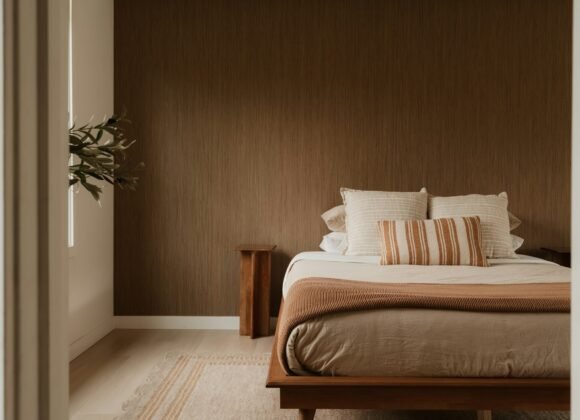
The neutral earthy bedroom draws from the natural world: sandy deserts, sun-baked terracotta, raw linen and aged wood. The palette stays close to nature, with warm whites, creamy beiges, soft taupes, terracotta, mushroom brown and muted sage. The goal is warmth without darkness, and calm without blandness.
What separates it from a plain beige room is texture. A bedroom with one flat color everywhere reads as unfinished. An earthy one uses five or six tones that sit close together, then varies the surfaces: nubby linen against smooth ceramic, rough wood against soft wool. If you like the calm of this style but want fewer objects, the minimalist bedroom ideas guide pairs well with it.
The Earthy Bedroom Color Palette

- Warm white or cream for walls and larger furniture
- Linen or oat beige as the dominant neutral
- Terracotta or clay as an accent color
- Warm taupe or mushroom for depth and shadow
- Muted sage or moss green as an optional natural accent
A useful rule is roughly 60 percent warm white and beige, 30 percent taupe and wood tones, and 10 percent terracotta or sage. Keep every tone warm-based. A single cool gray cushion or a blue-white bulb will make the rest look dirty by comparison.
Hold paint chips and fabric swatches up together in the room, in daylight and again at night. Earthy colors shift more than bright ones: a beige that looks creamy at noon can turn pink under a warm evening bulb. Test before you commit to a full wall.
Walls, Paint and Renter-Friendly Alternatives
If you can paint, the safest earthy wall colors are warm whites with a yellow or red undertone, plus soft clay or putty shades on one wall behind the bed. A quart of sample-size paint is often enough for a feature wall and usually costs about $8 to $20, though prices vary by brand and store.
If you rent, skip the paint and use fabric and texture instead. A large linen throw or wide curtain panel hung behind the bed softens a bare wall. A peel-and-stick wallpaper in a subtle grasscloth or plaster pattern can work on smooth, flat, fully cured paint, but test a small patch first and check your lease. The renter-friendly bedroom ideas post covers damage-free options in more detail.
Bedding: The Heart of the Earthy Bedroom

Natural linen bedding is the single best investment for an earthy bedroom. It looks effortlessly relaxed, gets softer with every wash, and comes in exactly the tones you need. Layer it with a chunky cotton waffle blanket, textured cushions and a linen euro sham for a lived-in look.
Full linen sets can run roughly $120 to $350 depending on size and brand. If that is too much, buy a single linen duvet cover, about $60 to $150, and pair it with cotton or washed-cotton sheets in a matching oat or sand shade. Washed cotton gets you most of the look for far less.
- Base layer: sheets in oat, sand or warm white
- Middle layer: a duvet or quilt in a slightly darker tone such as taupe or clay
- Top layer: a waffle or boucle blanket folded across the bottom third of the bed
- Pillows: two sleeping pillows, two euro shams and one small lumbar in terracotta
Wrinkles are part of the style, so do not iron. Shake the duvet out, pull it roughly straight and leave it. That slightly rumpled look is what makes it read as earthy rather than hotel-neat.
Natural Materials: Wood, Rattan and Clay

Material choice is as important as color. Replace glossy furniture with raw or oiled wood pieces. Add a rattan or bamboo side table. Bring in a clay lamp base, terracotta plant pots and woven baskets for storage. The mix of textures creates that rich, layered look.
Secondhand is the best source here. Solid wood nightstands and dressers turn up at thrift stores and online marketplaces for about $30 to $120, and a light sand and a coat of hemp or Danish oil brings out the grain without a heavy painted finish. Rattan trays, cane-front cabinets and jute rugs are common at the same stores. Our thrift store decor flips guide explains what to look for and which pieces are worth the carry.
Rugs matter more than most people expect. A jute or wool-blend rug in a natural tone, roughly 5 by 8 feet, often costs about $80 to $200, and it grounds the whole bed. Let the rug extend at least 18 to 24 inches beyond each side of the bed so your feet land on it in the morning.
Plants and Organic Accents

A few well-placed plants complete the earthy bedroom. Opt for architectural shapes such as snake plants, pothos and olive trees in terracotta or raw ceramic pots. Dried botanicals like pampas grass, dried cotton branches and preserved eucalyptus add texture without needing care.
Put the largest plant or dried stem in the corner farthest from the door, since it fills dead space and draws the eye along the room. A six inch pot of pothos or a snake plant is roughly $10 to $25. A tall dried stem in a ceramic floor vase is about $20 to $50 and never needs watering, which suits a dim bedroom.
Lighting for an Earthy Bedroom
Warm lighting is non-negotiable. Use 2700K bulbs throughout, add a woven rattan pendant above the bed if ceiling height allows, and place ceramic or wooden table lamps on bedside tables. Candles on a dresser add atmosphere in the evening. The U.S. Department of Energy has a plain-language guide to choosing LED bulbs and color temperature if you want to compare options.
If you cannot change the ceiling fixture, a rattan or paper shade over the bulb softens it. A clip-on cord cover pendant, about $15 to $40, hung from a ceiling hook is a common renter workaround, and a plug-in wall sconce with a fabric cord does the same job without wiring. For the sleep side of lighting, the bedroom decor ideas for better sleep post covers dimming and blackout curtains, and the Sleep Foundation’s overview of the ideal bedroom environment explains why a dim, cool, quiet room helps.
Storage That Keeps the Calm
An earthy bedroom falls apart when clutter is visible, because the natural textures start to look messy instead of relaxed. Closed storage matters more than decorative storage. A lidded woven basket at the foot of the bed, about $25 to $60, hides spare bedding. Under-bed boxes in linen or canvas hold off-season clothes. Rattan or wood nightstands with a drawer keep chargers and glasses out of sight.
Open shelves work in this style only if you limit them to three kinds of objects: ceramics, books with their covers turned inward or in neutral jackets, and one plant. For more ideas on hiding everyday mess, see the bedroom storage ideas guide.
Layout and Styling Tips
Place the bed on the wall opposite the door if possible, so it is the first thing you see and the room feels deliberate. Put a nightstand on each side even if they do not match. A wood one and a rattan one, in the same warm tone family, look better than a stiff matched pair.
- Hang art or a woven wall basket about 6 to 8 inches above the headboard, not higher
- Group three objects of different heights on the dresser, such as a lamp, a ceramic vase and a small tray
- Add one dark accent, such as a deep brown ceramic or black iron lamp base, so the room has a point of contrast
- Keep the windowsill clear and hang curtains close to the ceiling in a linen or cotton-linen blend
A Realistic Budget Plan
| Priority | What to buy | Rough cost |
|---|---|---|
| 1 | 2700K bulbs and one ceramic or wood table lamp | $20 to $50 |
| 2 | Linen duvet cover and washed cotton sheets | $80 to $200 |
| 3 | Jute or wool-blend rug, about 5 by 8 feet | $80 to $200 |
| 4 | Secondhand wood nightstand or dresser, lightly sanded and oiled | $30 to $120 |
| 5 | Two plants or one tall dried stem, plus a woven basket | $30 to $90 |
If you only have one weekend and a small budget, start with the bedding and the bulbs. They change how the room feels more than anything else. The budget bedroom decor ideas list has dozens of cheap add-ons once the base is done.
Mistakes to Avoid
- Mixing warm and cool whites. Pick one family and stay in it
- Using too many patterns. One subtle pattern, such as a thin stripe or block print, is plenty
- Buying matching furniture sets. Everything in the same finish looks showroom flat
- Skipping a rug. Bare floor makes an earthy room feel cold and echoey
- Over-styling with faux greenery. Small fake plants give themselves away, so go large or go real
For a version of this style with more florals and softness, take a look at the cottagecore bedroom ideas.
Frequently Asked Questions
What colors make a bedroom feel earthy?
Warm beige, terracotta, mushroom brown, cream, muted sage and warm taupe are the core earthy bedroom colors. Keep all tones warm-based and avoid cool grays and blues, which clash with the natural palette. Use mostly light neutrals, then add terracotta or sage in small amounts through cushions, ceramics and one blanket.
Is linen bedding worth it for an earthy bedroom?
Yes. Linen bedding is the most impactful purchase for an earthy look. It has the right texture, comes in neutral tones, and improves with washing. If a full set is too expensive, buy a linen duvet cover and use washed cotton sheets underneath. You get most of the visual effect for a much lower cost.
Can I do an earthy bedroom in a rental?
Yes. Most of the style comes from bedding, rugs, lamps, baskets and plants, none of which need fixings. Use plug-in sconces, freestanding furniture and fabric on the wall instead of paint. Lean a large mirror or framed art on a dresser rather than drilling holes, and test any adhesive on a hidden patch first.
How do I stop a neutral bedroom looking boring?
Add texture and one dark contrast. Layer linen, waffle, boucle and wool in similar tones, mix wood and rattan, and place one deep brown or black object near the bed. Vary heights on the dresser and nightstands. Contrast and texture are what give a neutral palette depth, not extra colors.