Most bedroom decor advice focuses on how the room looks. This guide focuses on how the room makes you feel when you lie down at night. Because a bedroom’s primary job is not to be photographed. It is to help you sleep, rest, and recover from the demands of your day. When it does that job well, it looks beautiful as a natural consequence.
These bedroom decor ideas are grounded in sleep science and the psychology of rest environments. They are also practical, affordable, and fully achievable in rentals.
Darkness: The Foundation of Good Sleep
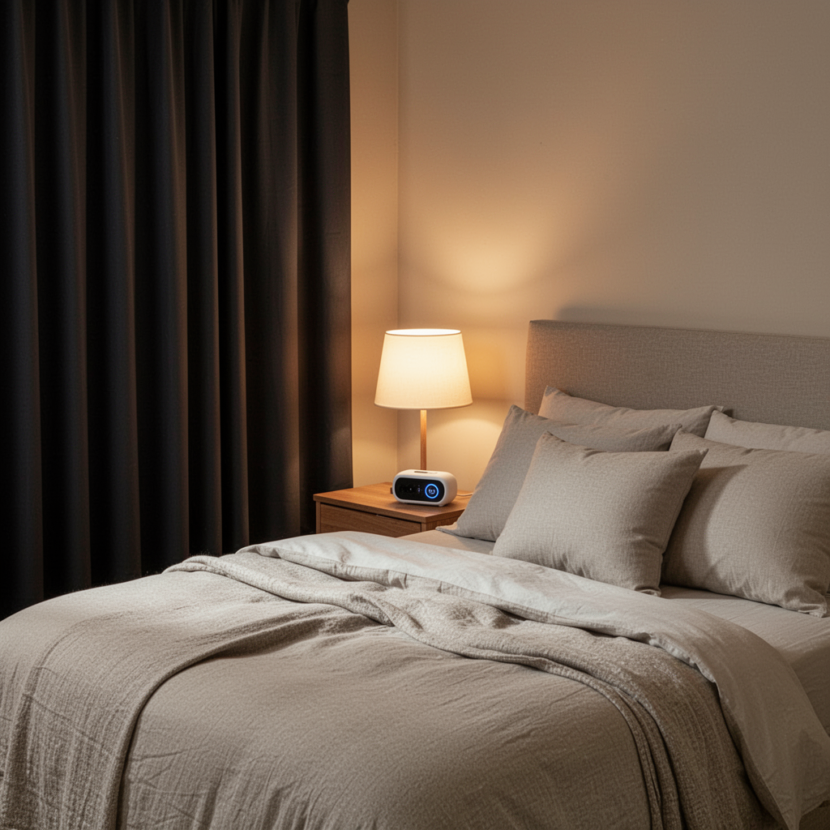
Light is the most powerful signal your brain receives about whether it is time to sleep or stay awake. A bedroom that is not dark enough for your personal light sensitivity will always produce worse sleep than one that is. Blackout curtains or blackout lining added to existing curtains are the single most impactful sleep-supporting decor change available.
Eye Masks as a Backup
If blackout curtains are not an option in your rental, a quality silk eye mask achieves the same result for a fraction of the cost. Keep it on your bedside table as a deliberate part of your sleep setup rather than a thing you occasionally find in a drawer.
Temperature Control Through Textiles
Sleep science consistently identifies a slightly cool room as optimal for sleep quality. Aim for 16 to 18 degrees Celsius in the bedroom. Use textiles to manage warmth rather than turning the heating up. A linen duvet, a wool throw, and layered bedding allow you to regulate temperature through the night without waking.
Colour and Your Brain at Bedtime
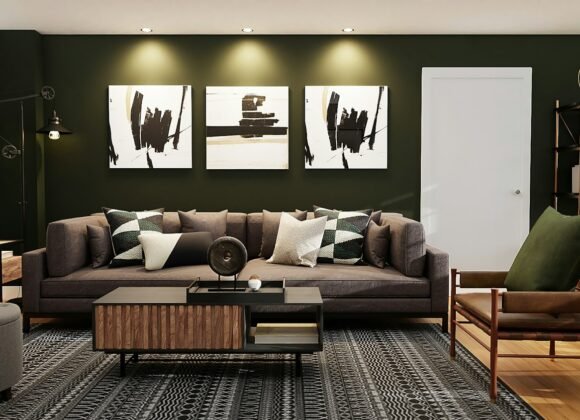
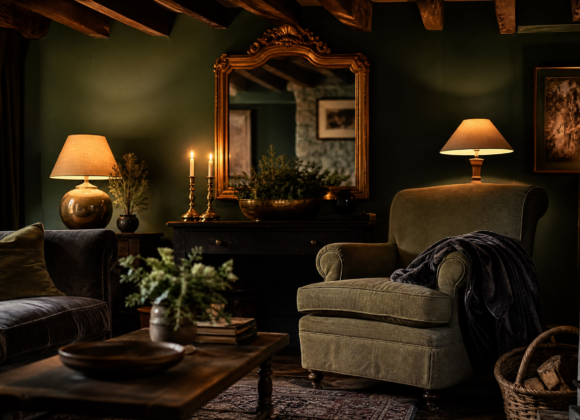
Cool blues and greens have been shown to lower heart rate and promote calm. Warm neutrals such as beige, cream, and soft grey are broadly associated with relaxation. Bright colours, strong contrasts, and highly saturated tones stimulate the brain rather than calming it. For a bedroom designed around sleep, stick to the muted, warm, and soft end of the colour spectrum.
Remove Technology From the Sleep Environment
The bedroom should not contain anything that your brain associates with stimulation, productivity, or obligation. A television, a desk with work on it, a phone charging by your pillow: all of these communicate to your brain that this room requires alertness. Move what you can. What you cannot move, cover or turn face down at night.
Sound and Silence
A bedroom that is too quiet can be as disruptive to sleep as one that is too noisy for light sleepers. A white noise machine, a fan, or a sleep sounds app can all mask disruptive external sounds and create a consistent acoustic environment that the brain associates with sleep over time. Heavy curtains and a rug also absorb sound and reduce echo in the bedroom.
Scent as a Sleep Trigger
The olfactory system has a direct connection to the limbic system, which governs emotion and memory. A consistent scent used only in the bedroom at sleep time can become a powerful sleep trigger over time. Lavender is the most researched: studies show it reduces heart rate, blood pressure, and skin temperature, all of which are associated with falling asleep faster.
A lavender pillow spray used consistently at bedtime is inexpensive and evidence-backed. A lavender sachet inside the pillow or a diffuser with lavender oil both achieve the same result.
For more bedroom inspiration, explore our guides on cozy bedroom sanctuary ideas on a budget and neutral earthy bedroom ideas.