You know that feeling when you walk into someone’s home and it just looks put together, like a designer came through and made every little decision for them? Here’s a secret nobody tells you: a huge chunk of those spaces are stitched together with small, clever pieces that cost way less than you’d guess. If you have been scrolling for amazon home finds under 50 dollars that look custom, you are in the right place. I have spent way too many late nights adding things to cart, returning the duds, and keeping the winners, so let me save you the trial and error and point you straight to the stuff that actually earns its spot on your shelf.
Why “Under 50 Dollars” Does Not Mean Cheap Looking
There is a big difference between inexpensive and cheap looking, and the gap usually comes down to material and shape, not price tag. A plastic frame with a busy pattern reads as cheap. A simple wood or ceramic piece with a clean silhouette reads as intentional, even if it cost twelve dollars. When you are hunting for budget pieces, train your eye to look past the price and ask whether the shape is interesting and whether the material feels solid in photos and reviews. Matte finishes almost always look more expensive than glossy plastic. Curved, organic shapes tend to photograph better than sharp geometric ones unless your whole space is already leaning modern and angular. Keep this filter running in your head every time you shop and your cart will start looking a lot more curated without you spending any more money.
Vessels and Vases That Instantly Elevate a Shelf
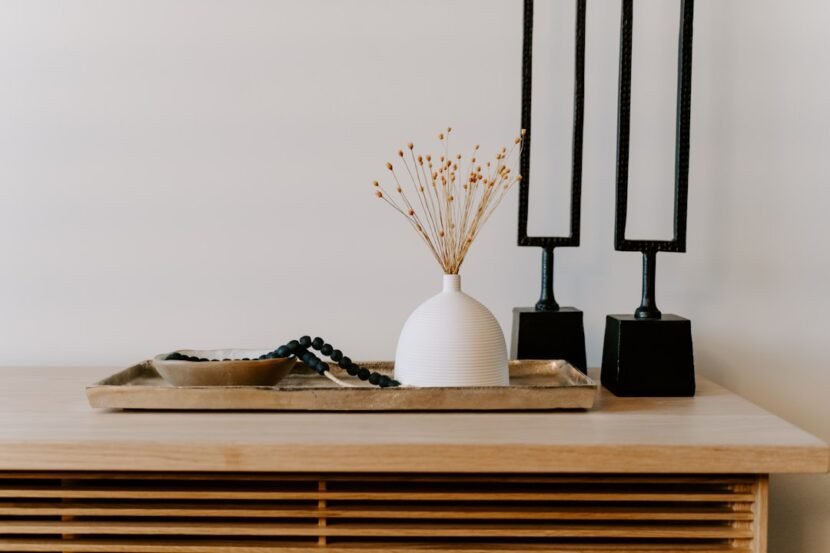
An empty shelf looks unfinished, but a shelf with the wrong vase looks worse. The trick is grouping vessels in odd numbers with varied heights, and you can build that whole grouping for under fifty dollars total if you shop smart. Look for:
- A textured ceramic vase in an off-white or sandy tone, since neutral texture reads as expensive no matter the price.
- A small bud vase in amber or smoked glass to catch light near a window.
- A taller stoneware pitcher-style vase that can stand alone as a floor accent in a corner.
Skip anything painted a trendy color you might tire of in a year. Stick to natural tones and you will be able to reuse these pieces through every seasonal refresh without buying new ones.
Throw Pillow Covers, Not Whole Pillows
This is the one swap that saves the most money for the biggest visual impact. Buying whole new pillows every time you want to refresh a sofa is a waste, since inserts are the expensive part and covers are cheap. Grab a few textured covers in linen, boucle, or a subtle woven pattern, and rotate them over inserts you already own. Mixing two solid colors with one patterned or textured cover creates that layered look designers charge a fortune for. If your current inserts are flat and sad, a pack of feather-blend inserts is worth the investment since covers will always drape better over them than over cheap poly-fill forms.
Lighting Details That Change the Whole Mood
Nothing ages a room faster than a bare, harsh overhead bulb doing all the work. A few small lighting additions punch way above their price:
- A warm-toned LED strip tucked behind a TV or under a shelf for ambient glow.
- A rattan or paper lantern-style shade that clips right onto an existing bulb.
- A small battery-powered accent lamp for a bookshelf or console, no outlet needed.
A Quick Note on Bulb Temperature
Always check the color temperature before you buy. Anything around 2700K to 3000K gives that cozy, warm look. Bulbs sitting at 4000K or higher will feel closer to office lighting, which instantly kills the custom, cozy vibe you are going for.
Hardware Swaps That Fool Everyone
Cabinet knobs and drawer pulls are one of the cheapest ways to make furniture look intentional rather than builder-grade. A ten dollar multipack of brushed brass or matte black pulls can transform a plain dresser or kitchen cabinet in an afternoon. The trick is consistency. Pick one finish and one general shape family, then use it everywhere in that room. Mismatched hardware is one of the fastest ways to make a space look unplanned, even if every individual piece was nice on its own.
Wall Art and Frames Without the Gallery Price Tag
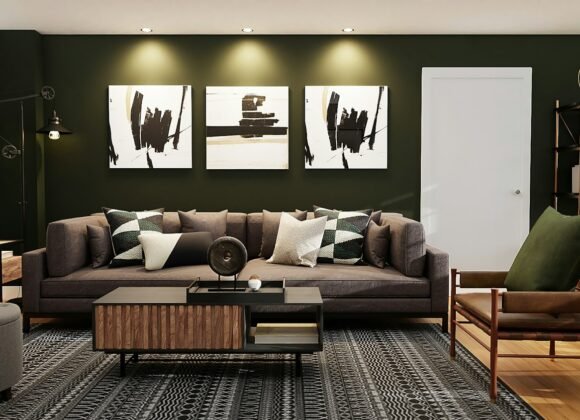
You do not need original paintings to build a gallery wall that looks collected over years. Look for simple wood or thin metal frames in a consistent finish, then fill them with a mix of botanical prints, abstract shapes, and one or two black and white photos for contrast. Printable digital art files are often just a few dollars each, and printing them at a local shop keeps total framing costs low while still landing you well under the fifty dollar mark for an entire cluster of frames. Keep spacing even, roughly two to three inches between frames, and your gallery wall will look like it was professionally hung.
Small Textiles That Add Instant Warmth
Rugs are pricey, but the small textiles around them are not, and they matter more than people expect. A chunky knit throw draped over the arm of a chair, a woven table runner under a centerpiece, or a textured doormat at the entry all add tactile richness that makes a room feel finished. Choose natural fibers like cotton, jute, or wool blends over synthetic looking acrylic whenever the budget allows, since the texture difference is obvious even in photos.
Putting It All Together Without Overbuying
The real mistake people make with budget decor is buying too much at once. Instead, pick one category from this list, master it in one room, and then move to the next. A cohesive room built slowly from a handful of well-chosen fifty dollar pieces will always beat a cluttered room where everything was bought in a single rushed order. Trust your eye, keep a consistent color story running through metals and tones, and let the small stuff do the heavy lifting.
Give yourself permission to shop slowly and swap things out as you go. The most “custom looking” homes are rarely finished in a weekend, they are built one thoughtful, affordable piece at a time, and yours can be too.