TL;DR
- The space under the sink is almost always wasted. A small cabinet or set of stackable drawers fixes it immediately.
- A shower caddy that hangs from the shower head keeps products off the floor and out of the way.
- A slim rolling cart between the toilet and the wall turns a dead gap into your most accessible bathroom storage.
- Magnetic strips inside cabinet doors hold bobby pins, nail files, tweezers, and small metal items that would otherwise live in a jumbled drawer.
- Decanting products into matching dispensers and bottles eliminates half the visual clutter of a bathroom counter instantly.
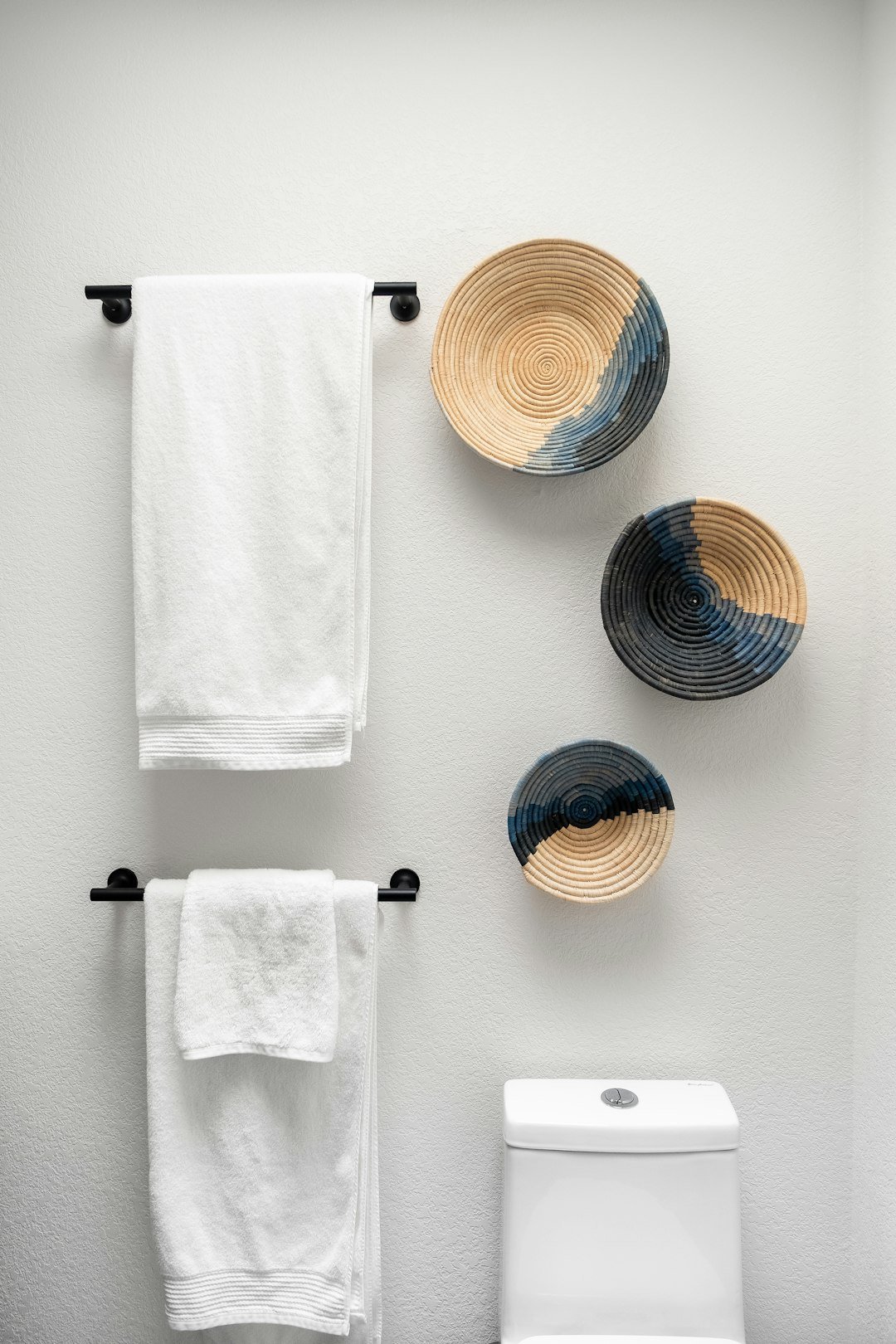
The small bathroom has two problems working against it simultaneously: not enough storage, and not enough visual space. Most bathroom organization advice solves one by making the other worse — adding more shelves and baskets that technically hold more but make the room feel more cluttered.
These ideas address both problems. The goal is a bathroom that stores everything you actually use and looks calm enough to feel like a bathroom rather than a storage closet.
1. Fix the under-sink situation first
What is the best way to organize under a bathroom sink? A small cabinet unit or set of stackable drawers sized to fit around the plumbing. This converts what is usually a pile of half-used products into organized, accessible storage.
Under-sink organizers designed around a central plumbing pipe (U-shaped or split into two sections) are available on Amazon from $15 to $30 and install in minutes. They typically double the usable storage in the under-sink space by adding a second layer — cleaning products on the lower level, backup toiletries and spare items on the upper. Add a small tension rod across the front of the lower level to hang spray bottles vertically — this further increases capacity and keeps the floor of the cabinet accessible.
A small cabinet with a door under a pedestal sink (rather than a vanity) also works and is renter-friendly — it sits on the floor rather than being mounted. IKEA’s SILVERÅN and HEMNES bathroom cabinets are designed for exactly this purpose.
2. Move shower products off the floor
Where should shower products be stored in a small bathroom? On a hanging shower caddy attached to the shower head or on a corner shelf mounted to the shower wall — never on the shower floor, where they collect water, mildew, and make the shower feel cramped.
A shower head caddy (a hook-mounted caddy that hangs from the shower head pipe) requires zero installation and holds three to five products in a vertical arrangement. Options on Amazon from $12 to $25. Stainless steel resists rust; avoid chrome-plated options that rust within months in a damp shower environment.
A tension pole shower caddy (a spring-loaded pole that extends from floor to ceiling in the shower corner) holds significantly more — typically three to four shelves of products. It requires no drilling and no wall contact. $25 to $40 on Amazon and holds full family bathroom quantities without touching a single surface permanently.
3. Add a slim rolling cart

Where does a slim rolling cart go in a bathroom? In the gap between the toilet and the wall — a space that exists in almost every bathroom but goes entirely unused. A slim cart (typically 15-20cm wide) fits this gap and adds three or four shelves of accessible storage for toilet paper, spare toiletries, cleaning supplies, and bathroom accessories.
The wheels make it possible to roll the cart out for cleaning the floor or accessing items at the back. Most slim rolling carts are available in white, bamboo, or metal finishes from $20 to $45 and hold up well in damp bathroom environments. This is one of the highest-storage-per-dollar additions in a small bathroom.
4. Use wall space above the toilet
What can go on the wall above the toilet? A floating shelf (or two or three at different heights), a small cabinet with a door, or a freestanding over-toilet shelving unit. The wall above the toilet is prime bathroom storage real estate that the majority of bathrooms leave completely empty.
Two floating shelves at 90cm and 120cm above the toilet floor add meaningful storage for spare toilet paper, towels, candles, and small decorative plants. An over-toilet freestanding unit (a set of shelves with a base that straddles the tank) costs $30 to $60 and requires no wall installation at all — useful for renters. It typically holds six to eight shelves of items in a space that previously held nothing.
5. Magnetic strips for small items
Where do small bathroom items like bobby pins and tweezers go? On a magnetic strip mounted inside a cabinet door. Every bathroom has a drawer or surface where small metal items collect in a jumbled pile — bobby pins, tweezers, nail clippers, small scissors. A magnetic strip solves this completely.
A small magnetic knife strip (typically sold for kitchens, around $10 to $15) mounted inside a cabinet door holds all of these items on the magnetic surface, visible and separated. Everything is instantly accessible and nothing slides to the back of a drawer. The strip mounts with small screws or strong adhesive. A 30cm strip handles the entire content of a typical bathroom small-items drawer.
6. Decant products into matching containers
Why does bathroom counter clutter look worse than kitchen counter clutter? Because bathroom products come in mismatched packaging — a dozen different colors, fonts, and bottle shapes from a dozen different brands — that creates visual noise even when the counter is technically organized.
Decanting regularly used products into matching pump dispensers eliminates this immediately. Soap, shampoo, conditioner, body wash, and hand lotion in four identical clear or white dispensers takes the same surface space as four branded bottles but reads as completely different — calm, intentional, and organized. A set of four matching dispensers costs $15 to $25 on Amazon and lasts for years.
Matching small jars or pots for cotton pads, cotton buds, and bath salts extend the same principle. The bathroom storage category with the smallest budget and the highest visual payoff in a small bathroom.
7. Small bathroom wall storage ideas
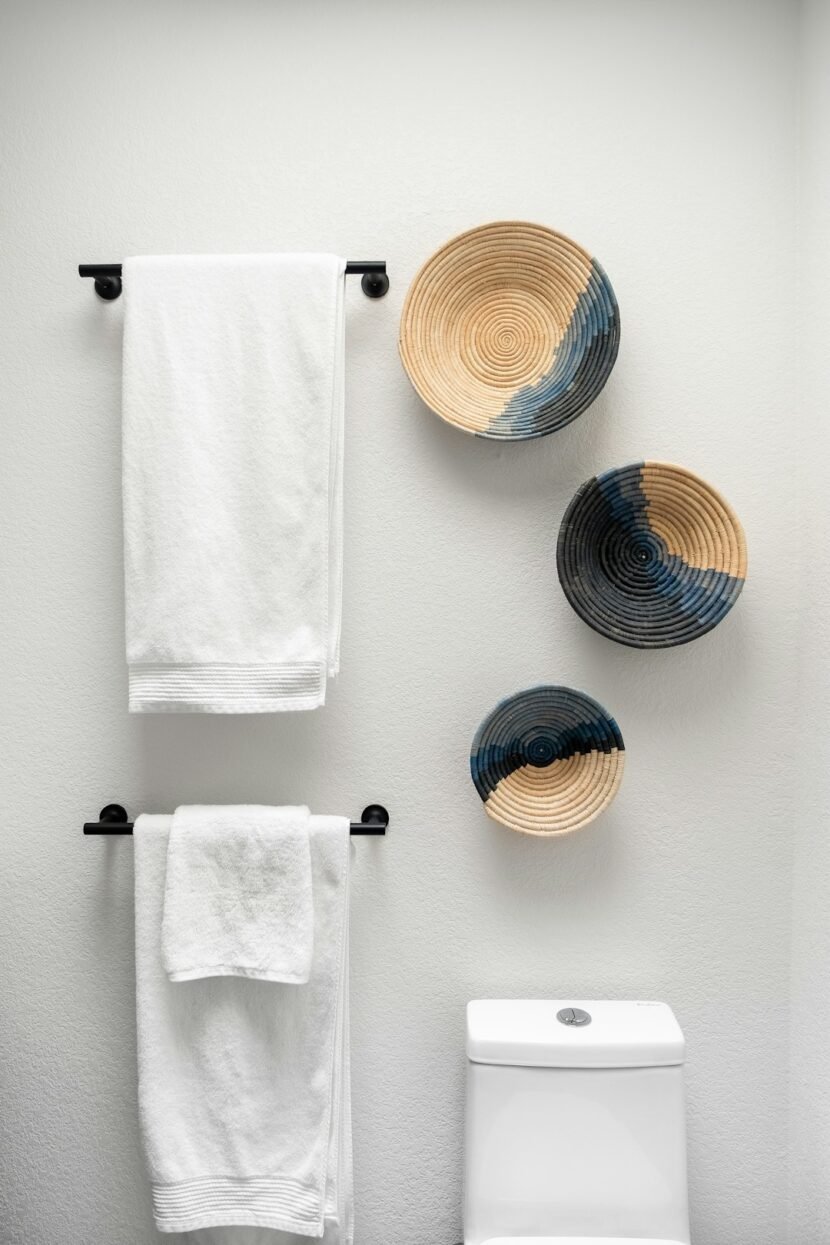
What wall storage works in a small bathroom? A recessed medicine cabinet (if there is stud space), wall-mounted towel bars rather than over-door hooks (they keep towels drier and look cleaner), a wall-mounted toilet paper holder with a small shelf on top, and a towel ring rather than a full rail if the wall space is narrow.
Towels take significant floor and surface space when stored in a pile. Wall-mounted towel rails — even a simple chrome bar — keep towels accessible, help them dry properly (reducing mildew), and free whatever surface they were sitting on. A 60cm towel bar costs $12 to $25 and mounts with two screws. For renters: over-door towel bars and adhesive-mounted towel hooks are near-identical in function.
8. How to organize bathroom toiletries
What is the most effective system for organizing bathroom toiletries? Category-based grouping in matching containers, stored in the zone where they are used. Shower products in the shower. Daily skincare on the counter or in a drawer beside the sink. Hair products in a drawer or basket near the mirror. Medicines and first aid in a separate cabinet or box.
The category-plus-location system means every item has both a type (where it lives) and a location (physically where in the bathroom). This makes finding things fast and putting things away automatic — when you know that all hair products live in the basket under the left side of the sink, putting the hairdryer away requires zero decision-making.
Frequently asked questions
How do you organize a very small bathroom with no storage?
Use the five zones most small bathrooms ignore: under the sink (stackable organizers), the gap beside the toilet (slim rolling cart), the wall above the toilet (floating shelves or over-toilet unit), inside every cabinet door (magnetic strips, adhesive organizers), and on the shower wall (tension pole caddy or hanging caddy). These five zones can hold the full content of a typical bathroom without any new furniture on the floor.
What is the best small bathroom storage cabinet?
For above-the-toilet storage: a mirrored wall cabinet (adds both storage and the reflective benefit of a mirror in a small space). For under-sink storage: a small freestanding vanity cabinet that fits around the plumbing. For slim gap storage: a rolling cart sized to fit between the toilet and the wall. Each solves a different specific problem.
How do you make a small bathroom look organized?
Remove everything from surfaces first, then return only what is used daily. Put the rest in closed storage. Decant products into matching containers where possible. Use matching towels in one color. Keep the counter to a maximum of three items. The visual calm comes from restraint, not from better storage products.
Pulling it together
A small bathroom that looks organized is one where closed storage handles the majority of items, surfaces hold only daily-use essentials, and the storage solutions themselves are calm enough to leave visible. Start with the under-sink space and the area above the toilet — between these two zones, most small bathrooms gain more storage than they currently use on every flat surface combined.
For the visual refresh side — making a small bathroom look better as well as more organized — see our small bathroom refresh ideas without renovation guide.