Cold, sterile, and soulless. That is the reputation modern minimalist home decor has earned from a decade of gray-on-gray interiors with no warmth and no life. But warm minimalism, the version that has been steadily replacing the colder aesthetic, is something else entirely. It is intentional, restrained, and genuinely beautiful in a way that makes you feel calm the moment you walk into the room. Here is how to get it right.

Warm Minimalism vs Cold Minimalism: The Critical Difference
Cold minimalism is white walls, gray concrete floors, chrome fixtures, and almost nothing else. It photographs beautifully in the right lighting and becomes exhausting to live in within about three weeks. Warm minimalism uses the same principles of restraint and intentionality but swaps the cold materials for warm ones: cream instead of white, warm wood instead of concrete, linen instead of chrome. The result feels edited and calm without feeling like an Apple store.
The psychological difference is significant. Warm, organic materials trigger comfort responses that cool, industrial materials do not. A warm minimalist home feels like a deep exhale. A cold minimalist home feels like being on your best behavior. The goal is the former.
Build Your Palette Around Warm Neutrals
The warm minimalist color palette is deliberately narrow. Cream, warm white, ivory, soft greige, warm taupe, and caramel are the primary range. One or two deeper accents, warm brown, terracotta, or deep olive, provide grounding without disrupting the calm. Everything else should be a natural material that brings its own color: blonde wood, linen, stone, dried botanicals.
Avoid adding accent colors in the traditional sense. A teal cushion or a burgundy throw introduces a note that breaks the quiet coherence of a warm minimalist palette. The beauty of this aesthetic comes from restraint. When every element in the room shares the same warm undertone, the space reads as deeply intentional without trying hard. That feeling of effortlessness is the goal and it requires discipline to achieve.
For paint, explore Benjamin Moore White Dove, Sherwin-Williams Accessible Beige, or Farrow and Ball Dimity. These are warm, light neutrals that read as neutral rather than beige or yellow in most lighting conditions and work as backdrops that let textures and natural materials come forward.
Choose Furniture With Clean Lines and Natural Materials
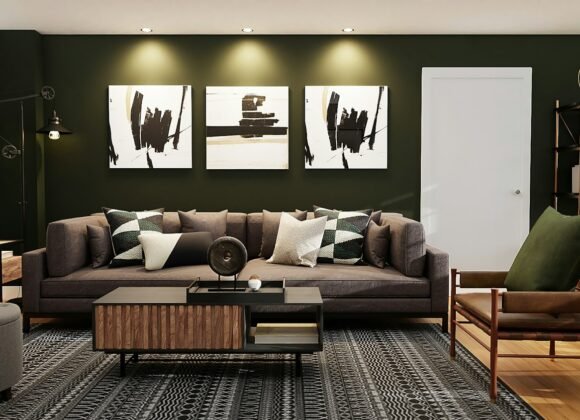
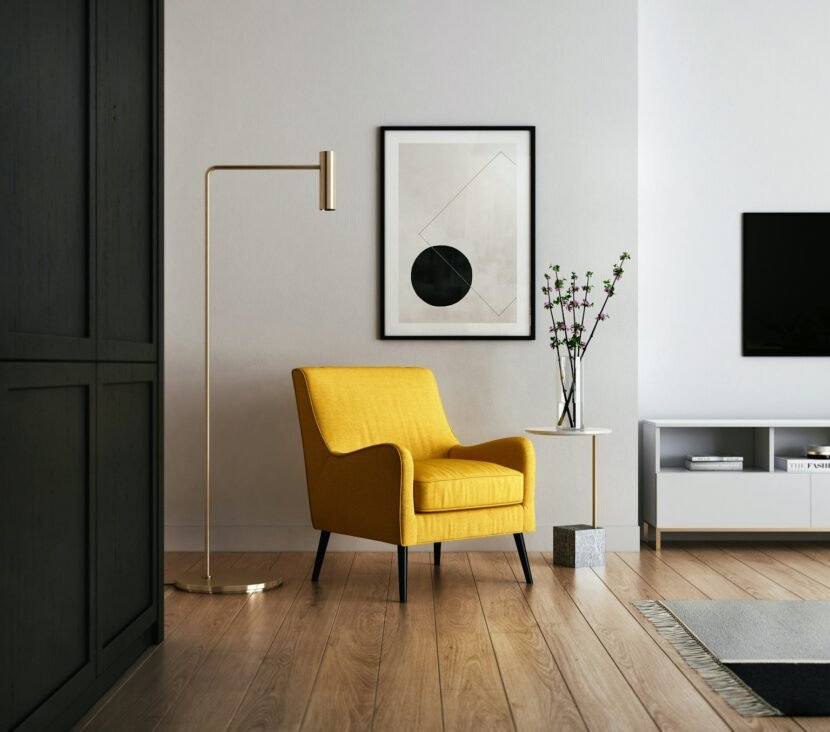
Warm minimalist furniture has clean, simple lines without being stark. Think Japandi aesthetic: the intersection of Japanese minimalism and Scandinavian warmth. A sofa with straight, low arms, solid linen upholstery, and visible wooden legs. A coffee table with a simple slab top in travertine or solid wood. A dining table in oak or walnut with simple, honest joinery.
Wood is essential in warm minimalist home decor. It brings organic warmth that no other material replicates. Choose lighter woods like oak, ash, and beech for a Scandinavian quality of light. Choose darker woods like walnut and teak for more depth and sophistication. The wood grain itself becomes a design element when furniture is simple enough to let it be seen.
Avoid furniture with heavy ornamentation, carved details, or complex silhouettes. These belong to different aesthetics. Warm minimalism celebrates the material and the form, not decoration applied to it. A beautiful walnut side table with a simple round top needs nothing else.
Texture Is Everything When Pattern Is Absent
A warm minimalist home uses almost no pattern. When pattern is absent, texture becomes the primary design tool. Linen, bouclé, ribbed cotton, chunky knit, raw stone, smooth plaster, and coarse jute are all textures that add visual interest without introducing pattern or color. The interplay between these surfaces is what makes a warm minimalist room feel rich rather than empty.
Layer textures intentionally. A smooth linen sofa gains depth from a chunky knit throw and a bouclé cushion. A polished concrete-look floor feels warmer under a coarse natural jute rug. A clean white wall reads as intentional rather than unfinished when it holds a single piece of art with real texture: a linen canvas, a handmade ceramic, a dried botanical arrangement.
Ceramics and pottery are the warm minimalist home’s most important decorative accessories. Handmade ceramics with irregular shapes, matte glazes in earthy tones, and visible finger marks carry the human quality that prevents minimalist spaces from feeling sterile. A cluster of three ceramic vessels in varying heights on a shelf, a handmade bowl on the coffee table, a single matte vase with dried grasses. These are the details that make a warm minimalist home feel like a person lives there.
Edit Ruthlessly, Display Intentionally
Minimalism is not about owning nothing. It is about being deliberate about what you choose to display. In a warm minimalist home, every visible object has been consciously placed and earns its position by being beautiful, useful, or meaningful. The clutter that accumulates in most homes is either hidden in closed storage or simply not brought in to begin with.
The one-in-one-out rule applies well in a minimalist home. When a new decorative object comes in, something else is removed or stored. This discipline maintains the breathing room that defines the aesthetic. Without it, even a room started in a minimalist spirit gradually fills up and loses its calm.
When displaying objects, use the rule of three and vary height, depth, and texture. Three objects on a shelf feel curated. One object feels lonely. Five or more objects in the same area begin to feel cluttered. In warm minimalism, more so than in other styles, negative space is an active design choice rather than an absence of ideas.
Natural Light Is a Design Material
Warm minimalist homes are typically oriented around natural light. Bare windows or simple linen sheers that filter light without blocking it are far more common than heavy drapes or blackout curtains in main living spaces. Natural light illuminates the textures and warm materials that make the style work, and artificial lighting can only approximate what sunlight does for cream walls, blonde wood, and natural linen.
Where natural light is limited, choose warm artificial lighting at 2700K in simple, architecturally restrained fixtures. A simple paper or linen shade over a pendant reduces glare and adds material warmth. Recessed spotlights work well in a warm minimalist kitchen or bathroom where simplicity of form is paramount. Floor and table lamps with simple profiles in warm metals, matte black, or natural materials complete the layered lighting without adding visual noise.
Plants in a Minimalist Home: Less Is More
Plants belong in a warm minimalist home but in controlled, considered quantities. One large statement plant in a beautiful ceramic pot is more powerful than eight plants scattered across every surface. A single olive tree, a sculptural fiddle leaf fig, or a dramatic snake plant in a neutral planter adds life and softness without competing with the restrained palette.
Dried botanicals are a particularly good fit for the warm minimalist aesthetic because they bring organic warmth and texture in neutral tones. A single stem of dried pampas grass or a bundle of dried eucalyptus in a simple vase contributes to the natural, organic quality of the space without the maintenance demands of live plants.
The Warm Minimalist Home Is a Long-Term Investment
One thing that separates warm minimalism from trend-driven decorating is that it is built to last. The palette, materials, and principles do not go in and out of fashion. A well-executed warm minimalist interior looks as relevant today as it will in twenty years, because it is rooted in timeless materials and honest design rather than seasonal trends. It costs more to do well and takes longer to develop, but the result is a home that feels genuinely calm and consistently beautiful rather than one that needs to be refreshed every two years.
Start with the palette, invest in one or two quality furniture pieces that anchor the space, layer texture slowly over time, and resist the urge to fill every surface. The patience required is itself a form of the aesthetic. Warm minimalism, done right, is one of the most rewarding ways to live.