Boho living room design has a reputation problem. Too many people associate it with chaotic maximalism: rugs piled on rugs, macrame hanging from every surface, clashing patterns competing for attention. The result looks overwhelming rather than inviting. But boho done well is one of the warmest, most livable aesthetics in home decor. These boho living room ideas show you how to get the look right, layered and warm without tipping into visual overload.

The Secret to Boho That Feels Warm, Not Chaotic
The difference between a boho living room that feels like a retreat and one that feels like a storage unit is a limited color palette. Every element in a well-executed boho space, regardless of how many textures and patterns are present, shares a common color language. Warm neutrals like terracotta, rust, camel, cream, and dusty blush are the backbone. Layering within that palette creates richness without chaos.
Start by choosing three to four anchor colors and commit to them. Every rug, throw, cushion, basket, and plant pot should sit within that palette. When a piece breaks out of it, the room loses cohesion. When everything speaks the same color language, even a very layered space feels intentional and calm.
Start With a Warm, Neutral Sofa
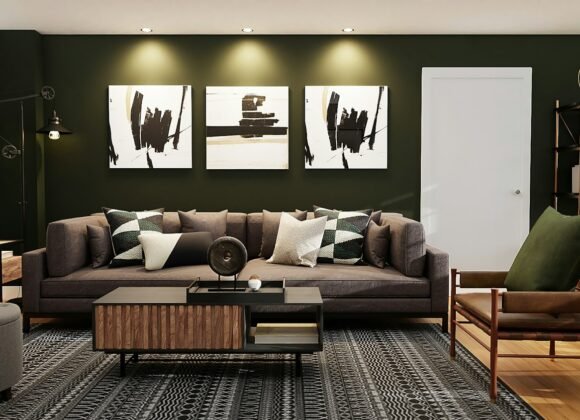
Your sofa is the foundation of the entire boho living room. For a look that stays warm rather than overwhelming, choose a sofa in a neutral that works as a canvas: cream, oatmeal, warm white, camel, or a deep warm brown. Avoid cool grays, which fight against the warmth that makes boho spaces feel inviting.
Linen, cotton, and boucle fabrics are all excellent choices for a boho sofa because they have natural texture built into the material. A boucle sofa with slightly curved arms and visible wooden legs hits every boho note simultaneously. It reads as casual and comfortable while remaining genuinely elegant.
Avoid leather in a primary boho space. It introduces a material that sits outside the natural, organic aesthetic. If you already have a leather sofa, drape an oversized cream or camel throw across the back and seat to soften it. Layer cushions in linen, velvet, and woven textures to introduce the material richness that defines the style.
Layer Rugs the Right Way
Layered rugs are one of the signature moves of boho living room design, but they go wrong more often than they go right. The key is contrast in texture and scale rather than pattern. A large, flat-weave jute or sisal rug as the base layer gives the room grounding and warmth. A smaller Moroccan Beni Ourain style rug or a vintage-look kilim layered on top adds pattern and personality without overwhelming the base.
The layered rug should not be centered on the base rug. Angle it slightly or position it off-center toward the seating area for a casual, lived-in quality that feels effortless rather than forced. The imperfection is intentional. Boho spaces should look like they evolved over time rather than being installed in a single afternoon.
Bring in Rattan and Natural Wood Furniture
Rattan is the quintessential boho furniture material. A rattan coffee table, side table, or armchair introduces warmth, texture, and natural beauty without competing with any other element in the room. Because rattan has a graphic, open quality, it takes up visual space without adding visual weight, which is ideal for rooms that are already layered with textiles.
Mix rattan with solid wood pieces in warm tones. A live-edge wood shelf, a wooden side table with hairpin legs, or a reclaimed wood console adds warmth and character that manufactured furniture cannot replicate. The combination of rattan and wood grounds the boho aesthetic in materials that feel genuinely organic rather than trend-chasing.
Avoid mixing too many different wood tones. Two, maximum three, warm wood tones work together harmoniously. Adding a cool-toned gray wood or a very orange pine introduces a note that disrupts the warmth of the overall palette.
Cushion Strategy: Pattern, Texture, and Scale
Cushions are where boho living rooms often veer into chaos. The solution is a hierarchy of pattern, texture, and scale. Choose one or two cushions with a bold pattern in your anchor colors. Add two or three cushions in solid complementary colors in different textures: velvet, linen, chunky knit. Finish with a mix of sizes, from large square floor cushions to standard 20-inch to small 16-inch lumbar cushions.
The pattern should be confined to one or two cushions maximum. When every cushion has a different print, the sofa becomes the focal point for all the wrong reasons. When pattern is used selectively and the rest of the cushions are solid, the prints look intentional and curated rather than collected at random.
Plants Are Non-Negotiable in a Boho Living Room
There is no such thing as a true boho living room without plants. They are not optional. The organic, nature-connected quality that makes boho spaces feel alive and warm comes largely from the presence of real growing things. The good news is that the plants most associated with boho aesthetics are also among the most forgiving houseplants available.
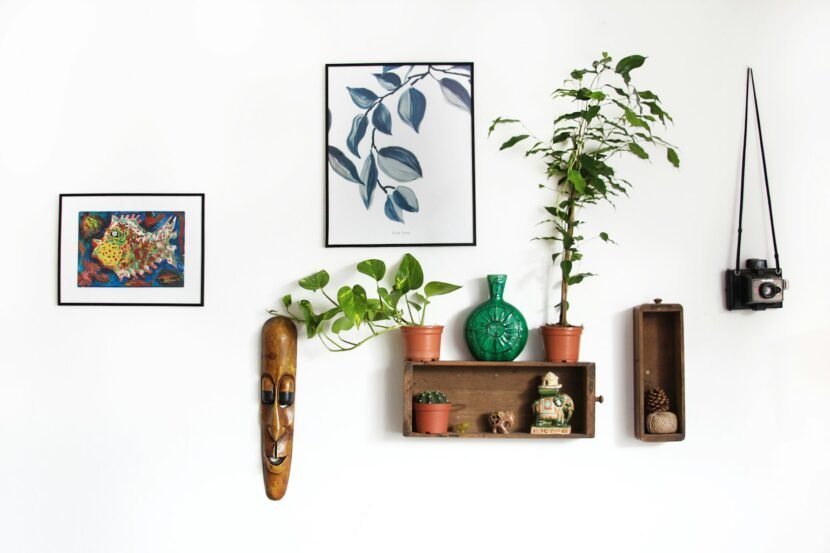
A large fiddle leaf fig or monstera in a woven basket planter makes an immediate statement in a corner. Trailing pothos along a high shelf or hanging from a macrame plant hanger adds movement and greenery at multiple heights. A cluster of smaller plants on a plant stand creates a botanical moment that brings the boho aesthetic into full focus.
Vary the pot and planter materials: terracotta, woven seagrass, ceramic in earthy tones, and hanging macrame all contribute to the layered, organic quality of the space. Avoid identical white nursery pots, which read as temporary rather than intentional. The planter is part of the decor, not just a container.
Macrame and Textile Wall Art: Use With Restraint
Macrame is the element most closely associated with boho design and also the one most likely to tip the room into overwhelming territory when overused. One macrame piece in a room is a statement. Three macrame pieces in a room is a craft store. The rule for boho wall art is to choose one hero piece and let it breathe.
A large macrame wall hanging above the sofa or a woven tapestry on a feature wall adds the handcrafted, artisan quality that defines the boho aesthetic. Complement it with other wall elements in different media: a small painting, a floating shelf with objects, or a botanical print in a simple frame. The variety of media is what creates a curated gallery rather than a theme-park version of the style.
Lighting: Warm, Layered, and Ambient
Boho living rooms should never be lit with harsh overhead lighting. The entire aesthetic depends on warmth and intimacy, which requires layered, low-level light sources. A rattan pendant shade softens any ceiling fixture and adds material interest. A woven floor lamp creates a warm pool of light in a reading corner. String lights draped along a bookshelf or behind plants add a whimsical, golden quality that overhead lighting cannot replicate.
All bulbs should be warm white at 2700K or lower. Cool white bulbs drain the warmth from a boho palette and make terracotta, rust, and camel tones look washed out and flat. The lighting is not just functional in a boho space. It is part of the atmosphere and it deserves the same consideration as the furniture.
The Boho Living Room Is Never Truly Finished
One of the most liberating things about boho design is that it is meant to evolve. Unlike more rigid styles where everything must be perfectly matched and complete, boho living rooms grow and change as you find new objects, travel, thrift, and develop your taste. A piece from a market in another city, a plant propagated from a friend’s collection, a vintage textile found at an estate sale – these additions are what give a boho space its authentic character.
The only rule is to maintain the color palette as the constant. Everything else can shift and grow as long as it speaks the same warm, earthy color language. That single discipline is what separates a boho living room that feels curated and inviting from one that simply feels like too much.