You know that feeling when you walk into a beautifully decorated home and think there is no way I could ever afford to make my place look like this? Here is a secret nobody tells you enough: a huge number of those gorgeous, expensive looking rooms are filled with thrift store decor flips, not designer showroom pieces. That chunky ceramic lamp on the side table, the ornate mirror over the console, the tufted bench at the foot of the bed, odds are good someone found them dusty and unloved for a few dollars, then transformed them with a little vision and elbow grease. If you have ever left a thrift shop empty handed because everything looked dated or worn, this is your sign to go back. With the right eye and a handful of simple techniques, secondhand finds can look like they came straight from a high end catalog, and I am going to walk you through exactly how.
Why Thrift Store Decor Flips Actually Look Designer
Designer rooms rarely rely on a single perfect piece. They rely on layers, texture, and furniture that feels collected over time rather than bought all at once from the same showroom. That is exactly what secondhand shopping gives you naturally. When you flip a thrifted item, you are not just saving money, you are creating something one of a kind that nobody else’s living room will have. The trick is learning to see past the outdated finish or the strange color and imagining what is underneath: solid wood, good bones, interesting hardware, a silhouette that never goes out of style. Once you train your eye for that, every thrift trip turns into a treasure hunt instead of a chore.
Shop the Bones, Not the Finish
The biggest mistake people make when thrifting is walking past a fantastic piece because the paint color is wrong or the fabric is stained. Ignore all of that. Instead, ask yourself these questions before you keep browsing:
- Is the frame solid wood, metal, or well built plywood, rather than flimsy particleboard that flexes when you push on it?
- Do the drawers slide smoothly, or can that be fixed with a little wax or new glides?
- Does the overall shape have clean lines or interesting curves that would still look good in a modern room?
- Is the damage cosmetic, like scuffs and old paint, rather than structural, like water damage or cracked joints?
A dresser with ugly brass handles and a dated orange oak finish is a blank canvas. A wobbly particleboard nightstand held together with staples is not worth your time, no matter how cheap it is. Learning this distinction alone will save you from bringing home pieces that fall apart in a year.
Paint and Stain Tricks That Look Expensive
Paint is the fastest way to transform a thrifted piece, but the way you apply it makes all the difference between looking cheap and looking custom.
Skip the Roller, Use a Sprayer or Good Brush
A lot of DIY furniture flips look homemade because of visible brush strokes and uneven coverage. If you can borrow or rent a small paint sprayer, your piece will come out looking factory smooth. If brushing is your only option, use a high quality synthetic brush and apply thin coats, sanding lightly with fine grit paper between each one. Two or three thin coats always beat one thick, drippy coat.
Choose Sophisticated Colors
Instead of reaching for bright trendy colors that will feel dated in two years, look at what higher end furniture brands are using: deep charcoal, warm terracotta, soft sage, creamy off white, or a rich navy. These colors read as intentional and elegant rather than like a weekend craft project. A matte or eggshell finish also looks far more expensive than a glossy one.
Try a Two Tone Look
One trick professional stagers use constantly is painting the body of a piece one color and leaving or staining the top a natural wood tone, or vice versa. A dresser with painted drawer fronts and a stained wood top instantly looks like a designer collaboration rather than a garage sale find.
Swap the Hardware
This is hands down the cheapest, highest impact change you can make. Old brass knobs from the eighties or plain wooden pulls can make an otherwise gorgeous piece look instantly dated. Unscrew them and replace with unlacquered brass, matte black, or brushed nickel hardware in a simple, current shape. Before you buy new hardware, measure the distance between the existing screw holes so you get pulls that fit without needing to drill new holes. A twelve dollar set of new knobs can completely change how expensive a dresser or cabinet looks, and it takes about ten minutes with a screwdriver.
Reupholster Instead of Replacing
Chairs, benches, and headboards with good bones but ugly or worn fabric are some of the best thrift finds because most people skip right past them, assuming reupholstery is too complicated. In reality, a simple drop in seat cushion, like the kind found on dining chairs, can be recovered in under thirty minutes with a staple gun and a yard of fabric. For a slightly bigger project, an ottoman or bench seat is very forgiving for a first timer. Choose a durable, textured fabric like linen blend or performance velvet in a neutral tone, and the piece will look like it was custom made for your space.
Layer Thrifted Pieces With Purpose
A single flipped piece sitting alone in a room can still look like a random secondhand item. Designer spaces put thought into how pieces relate to each other. When you bring a thrifted find home, consider these grouping strategies:
- Pair an ornate vintage mirror with clean, modern furniture so the contrast feels curated rather than accidental.
- Group thrifted ceramics, vases, or candle holders in odd numbers, like three or five, on a shelf or console for a styled, gallery like effect.
- Repeat a color or material across two or three pieces in the same room, such as brass hardware on both a lamp and a picture frame, to tie everything together.
- Use one striking, unique thrifted piece as the anchor of the room and keep everything else around it simple, so it gets to shine.
Small Decor Flips With Big Impact
Furniture is not the only thing worth flipping. Small thrifted decor items are often even easier to transform and can make a huge difference for very little money.
- Old picture frames can be spray painted gold, black, or white and regrouped into a gallery wall that looks intentionally collected.
- Glass or ceramic lamp bases in odd colors can be painted with a specialty spray designed for the material, then paired with a new linen shade for an instant designer look.
- Wicker or rattan baskets, even slightly worn ones, add expensive looking texture when used for storage or as planters.
- Brass candlesticks and trays found tarnished in the bottom of a bin often just need a good polish to look like a boutique find.
Keep an eye out for these smaller pieces every time you shop, since they are usually just a dollar or two and add so much personality to a room.
Know When to Walk Away
Not every deal is actually a deal. If a piece needs a full structural rebuild, has a persistent odor that will not air out, or shows signs of pests, it is better to leave it behind, no matter how good the price looks. A true flip should need cosmetic work, not a rescue mission. The best thrifted finds are the ones where you can already picture the finished result the moment you spot them, and that instinct gets sharper every time you practice it.
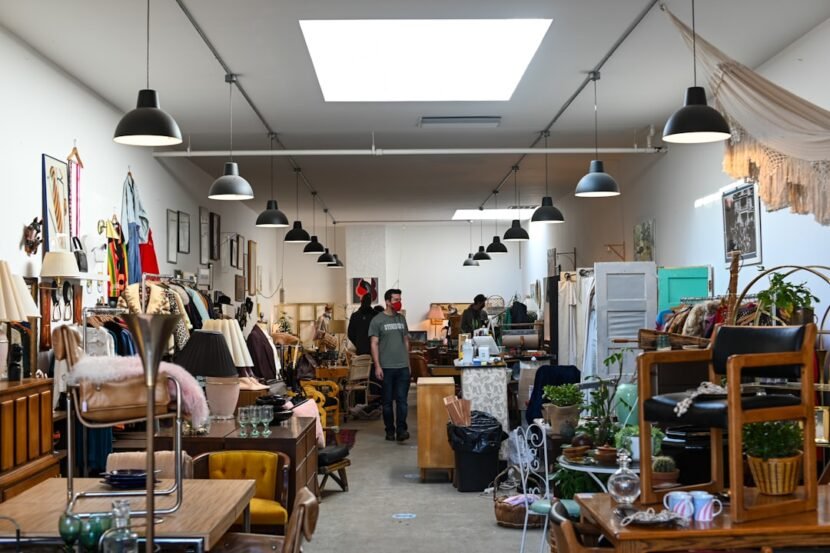
Give yourself permission to slow down next time you are browsing a thrift store or estate sale. Look past the dust and the outdated color, and picture what a little paint, new hardware, or fresh fabric could do. Some of the most complimented pieces in your home might end up being the ones that cost you the least, and that is a pretty wonderful kind of magic to bring into your space.