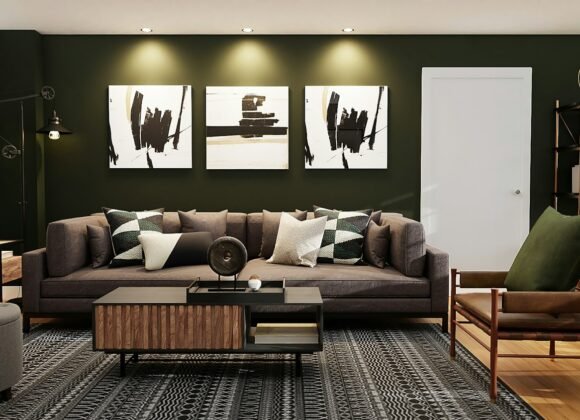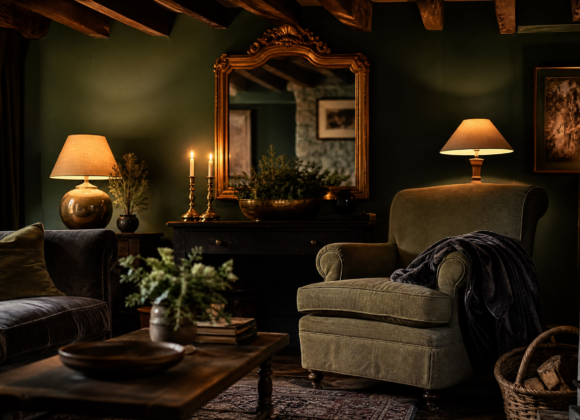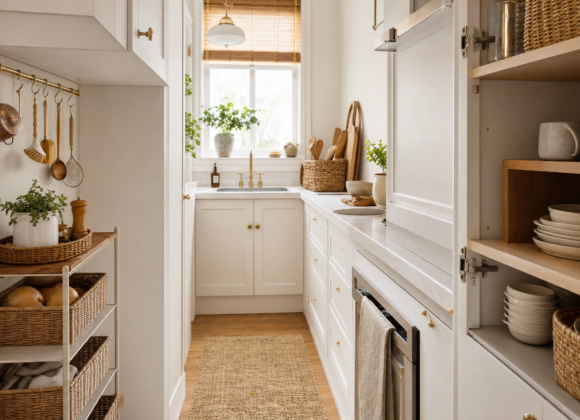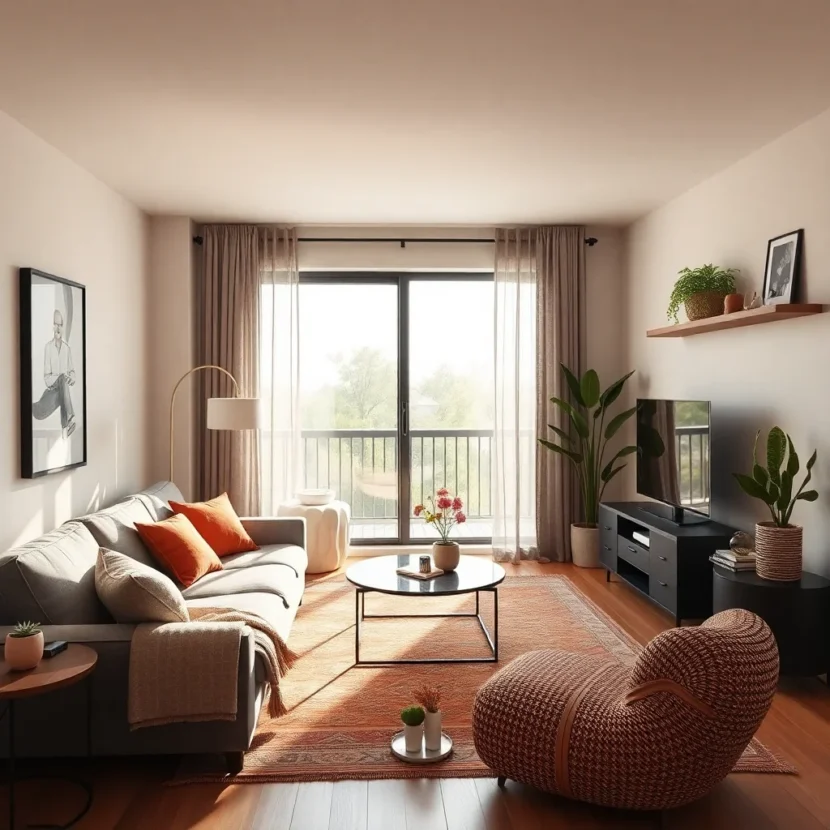
I stood in my first apartment’s bare living room, staring at 350 square feet of beige walls and wondering how I was going to make it feel like home on a $200 budget. What I didn’t know then, after eight years and four different rentals later, is that room ideas don’t have to come with a massive price tag or a landlord’s permission to execute. Small spaces need smart choices, not expensive ones. Whether you’re decorating a studio, a bedroom, a bathroom, or a galley kitchen, the same principles apply: work with what you have, choose high-impact changes first, and never underestimate how much a single element can shift the entire feeling of a room.
This post contains affiliate links. I may earn a small commission if you buy through my links, at no extra cost to you.
TL;DR
- Most of these room ideas cost under $50 and none require drilling, permanent damage, or landlord permission.
- The highest-impact changes are rugs, lighting, and mirrors, in that order.
- Work with one colour palette per room to make even mismatched furniture feel cohesive.
- Renter-friendly alternatives exist for nearly every design choice: Command strips instead of nails, peel-and-stick wallpaper instead of paint, furniture arrangement instead of renovation.
- Start with one small change and build from there, rather than trying to overhaul everything at once.
What counts as a room idea?
Before we dig into specific spaces, let me clarify what I mean by room ideas. I’m talking about changes that work within rental constraints: no drilling into walls, no permanent alterations, and nothing that will cost you your security deposit. That rules out renovation but opens up an enormous range of possibilities. Room ideas include furniture arrangement, lighting choices, colour and texture layering, wall decor, storage solutions, and strategic small-footprint pieces that make a space feel intentional rather than temporary.
The best room ideas feel effortless once they are in place but actually require thought. A sofa angled into a corner instead of pushed against the wall creates zones in an open floor plan. A floor lamp in the corner draws the eye upward and makes a low ceiling feel higher. A rug in a cohesive colour anchors mismatched furniture and ties the room together.
Room ideas for small living rooms
Your living room is often the first space visitors see, which means it gets a lot of pressure to feel pulled together. The challenge: small living rooms often need to be multifunctional (sleeping, working, entertaining) and cannot absorb large furniture pieces without feeling crammed.
The single most impactful room idea for a small living room is choosing a narrow sofa. I spent two years with a standard 84-inch sofa in a 300 sq ft apartment. When I switched to a 72-inch model with slimmer arms, the room suddenly felt open. The difference was not huge in absolute terms, but it changed how the space felt to move through. Measure your space first, then shop for furniture that leaves at least 18 inches of clearance from the sofa to the opposite wall or window.
Lighting transforms small living rooms more than any other single change. Overhead lighting is the enemy of a cosy room and particularly brutal in apartments with popcorn ceilings or bare fixtures. Replace it mentally with layered lighting: a floor lamp in one corner, a table lamp on a console table, and string lights or candles if you want warmth. This approach costs $40 to $100 total and makes a room feel intentional rather than institutional.
Renter-friendly: Hang curtains at ceiling height, not window height. This single renter-safe change makes any window feel taller and the entire room feel more spacious. Use a tension rod or adhesive hooks rated for the weight so you don’t damage the wall. Curtains hung at the ceiling also hide awkward window proportions and make a room feel more finished.
Mirrors are your second-best friend after rugs. Place one large mirror opposite a window or light source to bounce light around the room and create the illusion of more space. Avoid hanging three small mirrors in a row, which can feel cutesy rather than intentional. One 36-inch mirror on a single wall does more work.
Who this works for: Renters and homeowners living in apartments or small houses.
Renter note: Curtain rods can be installed with Command hooks and tension rods. Mirrors can hang on Command strips rated for the weight (usually 16 pounds for a medium mirror). No drilling required.
Room ideas for small bedrooms
Bedrooms are the most personal space, which means they have the most leeway for individual style. But small bedrooms need a slightly different approach than living rooms because the bed itself dominates the footprint.
The biggest room idea mistake I see in small bedrooms is pushing the bed against the wall to save space, then cramming the rest of the furniture into the remaining corner. This actually makes the room feel more cramped, not less. Instead, float the bed in the centre of the wall (if possible) and use the space behind or beside it for a nightstand, shelving, or a small desk. This creates visual balance and makes the room feel intentional rather than panicked.
Vertical storage is non-negotiable in small bedrooms. Two narrow floating shelves above the headboard provide storage and visual interest without taking up floor space. Install them with Command strips (rated for heavier weight) or ask your landlord about mounting them. They cost $30 to $50 and eliminate the need for a bulky dresser.
Renter-friendly: Use removable adhesive strips designed for shelves if you cannot drill.
Textiles do the emotional heavy lifting in bedrooms. A cohesive colour story, built through bedding, a throw blanket, and pillows, makes a small room feel curated. This is also the easiest place to express style without spending a lot. Swap out pillows, add a chunky knit throw, and suddenly the bed looks intentional rather than generic. Budget $50 to $100 for a complete textile refresh from IKEA, Target, or Amazon.
Renter-friendly: A headboard is not essential if you do not want to hang one. Instead, layer textiles against the wall: a large pillow behind standard pillows, a throw blanket draped over the headboard rail or hung on a tension rod. This adds visual interest and comfort without permanent fixtures.
Lighting in small bedrooms should be warm and dimmable. A single overhead light is bright and harsh; a bedside lamp and a wall-mounted reading light (hung with Command strips) create a more relaxing environment. If you cannot install a wall light, a tall floor lamp behind the bed works as a substitute.
Who this works for: Renters, homeowners, and anyone sharing a bedroom or sleeping in a studio.
Renter note: Shelves can be hung with heavy-duty Command strips. Curtains, headboards, and artwork hang on Command strips. Always use Command products rated for the weight of what you are hanging.
Room ideas for bathrooms
Bathrooms are the most constrained rooms in any apartment, but they also benefit enormously from small, cheap changes. Since bathrooms are typically 40 to 80 square feet, every detail shows.
The single best room idea for a bathroom is good lighting around the mirror. Overhead bathroom lighting is almost universally unflattering and makes the space feel clinical. Add a simple LED ring light or two small sconces on either side of the mirror (mounted with Command strips or temporary adhesive hooks). This costs $20 to $40 and transforms the entire space.
Textiles and accessories make a bathroom feel like a designed space rather than a utility room. A coordinated towel set, a small bath mat in a complementary colour, and a simple soap dispenser (instead of plastic bottles) cost $30 to $50 but shift the whole mood. Hang towels on a towel bar or over a tension rod if you cannot drill.
Renter-friendly: Peel-and-stick wallpaper works in bathrooms only if the room is not humid. If your bathroom gets steamy (which most do), skip wallpaper and instead add a framed print or two. Command strips hold lightweight frames securely.
Storage is tight in bathrooms, so use vertical space and avoid cluttering surfaces. A small shelving unit above the toilet or a corner shelf holds toiletries and keeps the counter clear. IKEA’s HYLLIS shelf system costs about $20 and holds far more than it looks like it should.
Keep the colour palette simple in bathrooms. Since bathrooms are small and usually poorly lit, a busy pattern or dark colour can make the space feel cramped. Stick to two neutral colours, plus one accent colour if you want personality.
Who this works for: Renters and homeowners. Bathrooms benefit from small, repeatable changes more than any other room.
Renter note: Avoid peel-and-stick wallpaper in humid bathrooms. Use removable shelving and hooks. Hang accessories with Command strips.
Room ideas for entryways and hallways
Entryways and hallways are often afterthoughts, but they set the tone for your whole apartment. A neglected entryway suggests that the rest of the space is also disorganised.
The best room idea for an entryway is to give it a single focal point: a mirror, a piece of art, or a small console table. A leaning mirror against the wall (no hanging required) or a simple IKEA console ($30 to $50) anchors the space and makes it feel intentional. Lean the mirror instead of hanging it if your landlord is strict.
Lighting in entryways should be warm and welcoming. If there is no entryway-specific light fixture, add a small table lamp on a console or a plug-in wall sconce to brighten the space. This costs $20 to $40 and makes a measurable difference in how the space feels when you walk in.
Renter-friendly: Hooks on the wall (Command strips or adhesive hooks) create functional storage for coats and bags. A small rug, placed near the door, protects the floor and adds visual interest.
A gallery wall in an entryway or hallway is a classic room idea that works well in rentals. Use Command strips to hang 4 to 6 frames in a loose arrangement. Mix frame sizes and mat colours for visual interest. This costs $30 to $80.
Who this works for: Renters and homeowners, especially those with bare hallways or awkward entryways.
Renter note: All entryway decorating is renter-friendly if you use Command strips and adhesive hooks. Measure the weight limit and stick to it.
Boho versus Scandinavian room ideas for small spaces
These two styles are popular in small apartments, but they serve different purposes. Understanding which suits your space and budget helps you make intentional choices instead of mixing aesthetics that fight each other.
| Style | Best for | Budget range | Renter-friendly |
|---|---|---|---|
| Boho | Maximalists, natural light lovers, soft textures | $100-300 (layered, textile-heavy) | Yes, if you avoid nailing tapestries and choose removable items |
| Scandinavian | Minimalists, dark spaces, clean lines | $80-200 (fewer, higher-quality pieces) | Yes, very much so. Less is easier to move and rearrange |
Scandinavian room ideas prioritise clean lines, neutral colours, and functional pieces. Budget goes toward fewer, better-quality items rather than many inexpensive ones. The advantage for small spaces: fewer objects visually, which makes rooms feel larger. The disadvantage: it can feel cold if not layered with warmth.
For small apartments, I lean toward a hybrid approach: Scandinavian bones with boho warmth. This means a clean, minimal layout with good lighting, then layered with textiles and plants for personality.
Room ideas for small kitchens
Kitchen decorating is constrained by function, but even kitchens benefit from intentional design choices.
Open shelving is a popular room idea that works only if you have photogenic things to put on it. If your kitchen lacks cabinet space, consider open shelving for dishes and glassware you actually use daily. But commit to keeping it neat, or the kitchen will feel more cramped than before. Budget $30 to $60 for floating shelves.
Renter-friendly: Over-the-sink shelving or a tension rod hung between cabinets extends storage without drilling. These cost $15 to $30 and are a lifesaver in kitchens with minimal cabinet space.
Lighting in kitchens should be task-focused but not harsh. If your kitchen has only overhead lighting, add a simple under-cabinet light strip (battery-operated or plug-in) for ambient light while cooking. This costs $20 to $40.
Textiles in kitchens are limited, but a simple linen towel in a coordinating colour and a small kitchen rug (washable) cost $15 to $25 and shift the entire feeling.
Who this works for: Renters in apartments with minimal kitchen storage.
Renter note: All kitchen decorating should be removable and easy to clean.
Room ideas for home offices in small spaces
If you work from home, your workspace needs to feel both functional and intentional. The challenge in small apartments is carving out a dedicated space without eating up living area.
A corner desk is the highest-impact room idea for a small apartment office. Choose a slim desk (48 inches or narrower) and position it in a corner with a window or facing the room. This creates a psychological boundary between work and living space without requiring much square footage. Budget $100 to $200 for a decent desk that will last.
Lighting is critical for a home office. Poor lighting causes eye strain and makes the space feel depressing during dark afternoons. Add a desk lamp rated for task lighting (at least 400 lumens) and position it to the side of your monitor so it doesn’t create glare. This costs $20 to $50.
Vertical storage keeps a small office from feeling cluttered. A single wall-mounted shelving unit or a tall, narrow bookcase holds supplies and documents without taking up floor space. IKEA’s KALLAX or BESTA systems work well and cost $30 to $80.
A simple room idea that costs nothing: position your desk to face out into the room rather than toward the wall. This makes the space feel larger and prevents that “cave” feeling.
Who this works for: Renters and homeowners who work from home or need a dedicated workspace.
Renter note: Desks, shelves, and lighting are all renter-friendly if you do not require permanent installation.
How to decorate a rental room without damaging walls
This is the question I get asked most often, and the answer is simpler than most renters think. Damaging walls comes from ignorance of the right tools, not from a lack of care.
Command strips are your foundation. 3M Command strips hold securely, remove cleanly, and come in weight-rated options from 1 pound to 16 pounds. Use them for artwork, mirrors, shelves, and hooks. Never exceed the weight limit. Always clean the wall surface with rubbing alcohol before applying, and leave the strip on the wall for 30 seconds to set.
Tension rods and adhesive hooks work for curtains and towel bars without drilling. Measure your window or space carefully before buying.
Peel-and-stick wallpaper works in dry rooms (bedrooms, living rooms) but not in humid spaces (bathrooms, kitchens). Test a small section first.
Furniture arrangement costs nothing and can define a space without any wall damage. Float a sofa, angle a chair, use a bookcase as a room divider.
The key to renting without damage: use the right tool for the right job, never exceed weight limits, and plan for removal before you install.
Who this works for: All renters. Every renter needs a system for damage-free decorating.
Renter note: Never use regular nails, screws, or picture hooks in a rental. The damage is too visible and costly to repair.
Small room decor ideas: styling what you have
Small rooms benefit from a mindset shift. Instead of asking “how do I add more,” ask “how do I edit what I have so it feels intentional?”
Fewer, better-curated objects make a small room feel spacious. If your bedroom has too many pillows, remove half. If your living room has three side tables, keep one. The objects that remain feel chosen rather than cluttered.
Repeated colours and patterns create visual harmony, especially in small spaces. Choose one or two neutral colours, then add texture through natural materials (wood, linen, woven items) and one accent colour if you want personality. Stick to this palette across all soft furnishings.
Renter-friendly: Rearranging furniture costs nothing and changes how a room feels. Float a sofa, angle a bed diagonally, move a desk to the opposite wall. Spend an afternoon experimenting before buying anything new.
Lighting that mimics natural light makes small rooms feel less cramped. Avoid cool-white or daylight bulbs in small spaces. Instead, use warm-white bulbs (2700K or lower) to create a cosy, intentional feel. This costs $10 to $20 to swap out all your bulbs.
Who this works for: Anyone decorating a small room on a tight budget.
Renter note: All of these ideas are renter-friendly and cost under $50.
Product recommendations for room ideas
Under $30
- IKEA HYLLIS shelf system ($20): Five shelves in a compact footprint. No drilling required if you use Command strips.
- Amazon LED ring light ($25): Instant bathroom or office lighting upgrade.
- Threshold Design storage baskets from Target ($15 to $25): Woven baskets that look intentional and hide clutter.
- IKEA PINNIG bench with shoe storage ($25): Renter-friendly entryway hack.
Under $100
- Nourison natural jute rug (8×10, $70): Affordable, neutral, and high-impact.
- Brightech LED string lights ($30): Warm, dimmable lighting for bedrooms or living rooms.
- IKEA KALLAX shelving unit ($60 to $90): Vertical storage that works in bedrooms, offices, or living rooms.
- Linen curtains from IKEA LOHALS ($50 for a set): Simple, renter-friendly curtains.
Splurge ($100+)
- Brass arc floor lamp ($150): A quality floor lamp lasts years and anchors a room.
- Large statement mirror with frame ($120 to $180): A substantial mirror reflects light and visually expands a small space.
- Mid-century modern sofa under 75 inches ($800 to $1,200): If you spend money on furniture, make it a sofa that fits your space.
Frequently Asked Questions
Can I use peel-and-stick wallpaper in a rental bathroom?
Peel-and-stick wallpaper works in bathrooms only if the room is not humid. Most bathrooms are very humid, especially around the shower, so the wallpaper will peel and bubble. Stick to removable wallpaper designed specifically for bathrooms, test it in a small area first, and avoid installing it directly above the shower. For a safer option, use framed prints or artwork hung with Command strips instead.
What is the fastest way to make a small room feel bigger?
The three fastest changes are: one large mirror placed opposite a light source, rearranging furniture to create clear sightlines across the room, and hanging curtains at ceiling height. Together, these three changes cost $50 to $100 and take one afternoon. They work because they create the illusion of height and openness without adding clutter.
Do I have to use Command strips for everything, or are there other options?
Command strips are reliable and renter-friendly, but tension rods, adhesive hooks, and furniture arrangement are also damage-free options. Use tension rods for curtains, adhesive hooks for lightweight items, Command strips for heavier artwork or shelves, and furniture floating for zero-cost visual impact.
How do I know if a room idea will actually work in my space?
The only way to know is to test it. Before buying a new sofa, measure your space and check the dimensions. Before hanging curtains at ceiling height, measure the distance from the ceiling to the window and make sure your curtains are long enough. Small rooms leave no room for mistakes, so measure, calculate, and test before committing budget.