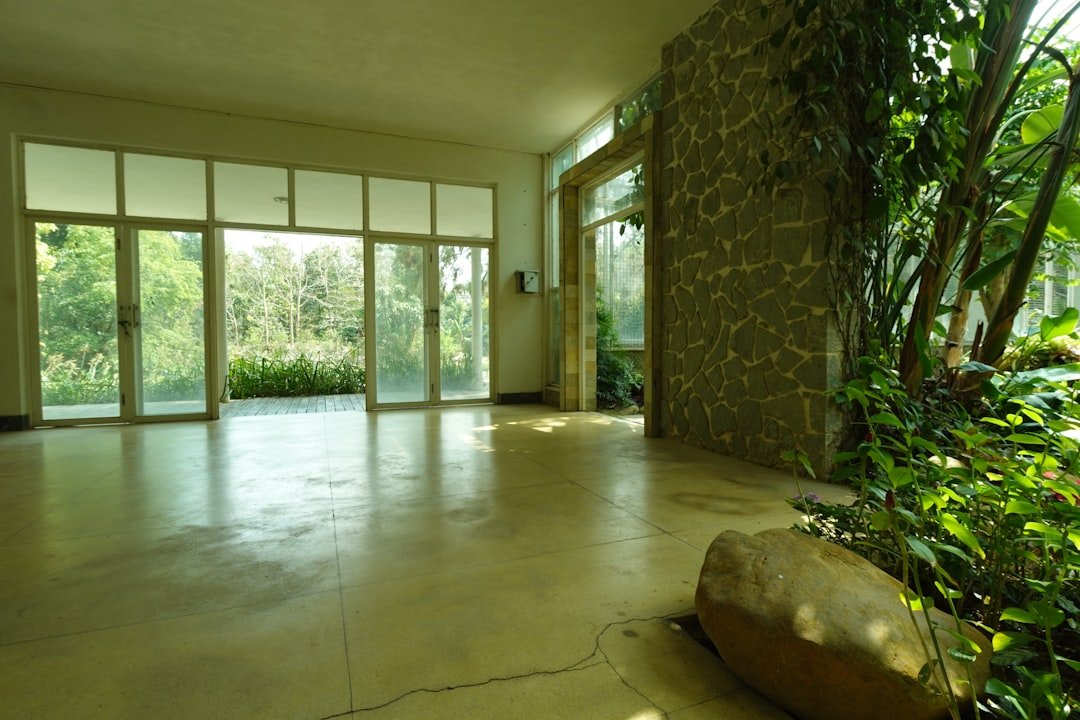
Most homes feel off and people can’t explain why. The furniture is fine. The paint color is inoffensive. But something is missing. Nine times out of ten, the answer is simple: there is nothing natural in the room.
Natural elements interior design — also called biophilic design — is the practice of bringing organic materials, textures, and living things into your home. It is not about turning your living room into a greenhouse. It is about making deliberate choices that connect a space to the natural world.
This guide covers exactly what those choices are, room by room.
What Counts as a “Natural Element”?
Before getting into specifics, let’s be clear about what we mean. Natural elements in interior design fall into five categories:
Materials — Wood, stone, rattan, jute, linen, clay, terracotta. Anything that comes directly from the earth without heavy processing.
Plants — Living plants, dried botanicals, moss walls, and even high-quality faux plants if you genuinely cannot keep things alive.
Light — Natural daylight is itself a design element. So is the way candlelight or warm-toned bulbs mimic firelight.
Water — Fountains, aquariums, and decorative bowls with stones. Even the sound of water changes how a room feels.
Organic shapes — Rounded edges, irregular textures, asymmetrical arrangements. Nature rarely makes straight lines, and our brains notice the difference.
You do not need all five in every room. Even one or two, done well, shifts the atmosphere entirely.
Living Room: Start With Texture and Warmth

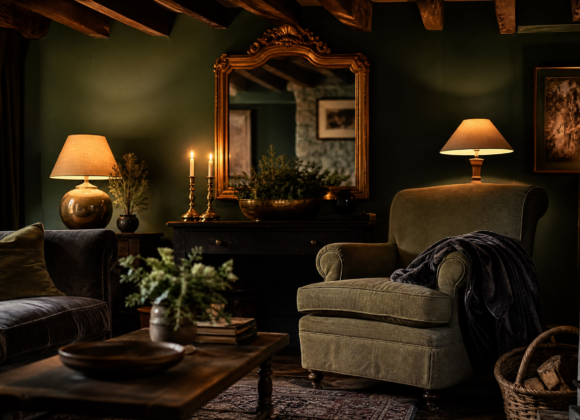
The living room is where natural elements make the biggest visual impact because it is the room people spend the most time looking at.
Swap One Synthetic Surface for a Natural One
Look around your living room and find the most synthetic thing in it — usually a glass coffee table, a plastic storage unit, or a laminate TV console. Replace it with a wood, stone, or rattan alternative.
A solid wood coffee table, even a budget one, immediately anchors a room in something real. A rattan side table adds texture without visual weight. A slate or marble tray on a console table introduces stone without a full renovation.
Layer Natural Textiles
Throw pillows and blankets made from linen, cotton, or wool do two things at once: they add comfort and they remove the plasticky sheen that synthetic fabrics create under light. A linen throw costs roughly the same as a polyester one. The difference in how a room reads is not small.
Add a Statement Plant (But Make It the Right One)
Not all plants suit living rooms. For natural elements interior design that actually works, choose plants that fit the light you have:
- Low light: Snake plant, ZZ plant, pothos
- Medium light: Fiddle leaf fig, monstera, rubber plant
- Bright indirect light: Bird of paradise, olive tree, citrus
One large plant reads better than three small ones. A 4-foot fiddle leaf fig in a terracotta pot does more for a room than a shelf of succulents.
Bedroom: Calm the Space With Natural Materials

The bedroom benefits most from natural elements that reduce visual noise — fewer shiny surfaces, more matte and tactile ones.
Linen Bedding Is Not a Luxury
Linen bedding gets a reputation for being expensive. Mid-range linen duvet covers now start around $60-80 and last significantly longer than cotton blends. The texture is distinctly organic, and it improves with washing rather than degrading. Beyond cost, linen regulates temperature better than polyester blends — which actually improves sleep.
Wooden Furniture Beats Painted MDF
Most flat-pack bedroom furniture is MDF with a veneer or paint finish. It is not breathable, it off-gasses, and it looks flat. Solid wood furniture — or even solid wood accents like a reclaimed wood headboard — changes the entire register of a room. If budget is a concern, thrift stores and Facebook Marketplace consistently have solid wood dressers and bedside tables for a fraction of retail cost.
Keep One Plant That Purifies Air
The bedroom is where air quality matters most because you spend 6-8 hours breathing it. Snake plants and peace lilies are among the few plants proven to absorb VOCs and work in lower-light conditions. One plant on a bedside table or windowsill is enough.
Kitchen: Natural Elements in a Functional Space

Kitchens are the hardest room to naturalize because they are built around hard, hygienic surfaces. But it is still very doable.
Wooden Cutting Boards as Decor
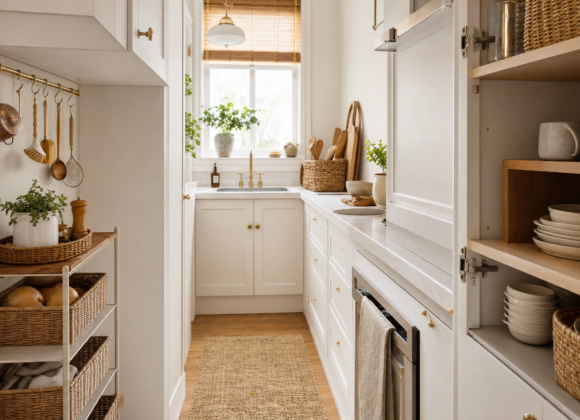
A large end-grain cutting board leaning against the backsplash, or a set of wooden utensils displayed in a ceramic jar, adds warmth without compromising hygiene. These are functional objects that double as natural elements.
Terracotta and Ceramic Over Plastic
Replace plastic storage containers, soap dispensers, and utensil holders with ceramic or terracotta equivalents. The cost difference is minimal. The visual difference is significant. A set of ceramic canisters in earthy tones does more for a kitchen’s atmosphere than most renovation choices costing ten times as much.
Herbs on the Windowsill
A row of herb pots on a sunny kitchen windowsill — basil, rosemary, mint, thyme. They are functional (you actually use them), they are living, and they bring green into the one room that is usually dominated by steel and stone.
Bathroom: The Most Overlooked Room for Natural Design

Most people give up on naturalistic design in bathrooms because of moisture concerns. This is a mistake.
Stone and Pebble Accents
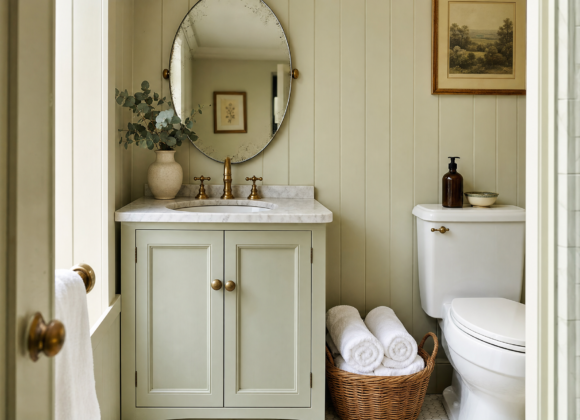
A tray of river stones beside the sink. A small pumice stone displayed rather than hidden. A piece of raw amethyst or quartz as a shelf decoration. These cost almost nothing and instantly shift a bathroom from clinical to calm.
Eucalyptus in the Shower
Tie a bundle of fresh eucalyptus to your shower head with twine. The steam activates the oils and the bathroom smells genuinely pleasant. The bundle lasts two to three weeks and costs around $5 at most grocery stores or farmers markets. This is the highest-impact, lowest-effort natural element tip in this entire article.
Home Office: Combat Screen Fatigue With Nature

Research consistently shows that visual access to natural elements reduces cognitive fatigue. This matters most in rooms where you stare at screens.
Position a Plant in Your Field of View
Place a plant somewhere your eyes naturally rest when you look up from your screen. You do not need to consciously focus on it — peripheral exposure to organic shapes and green color is enough to provide a micro-recovery effect.
Natural Light as the Priority
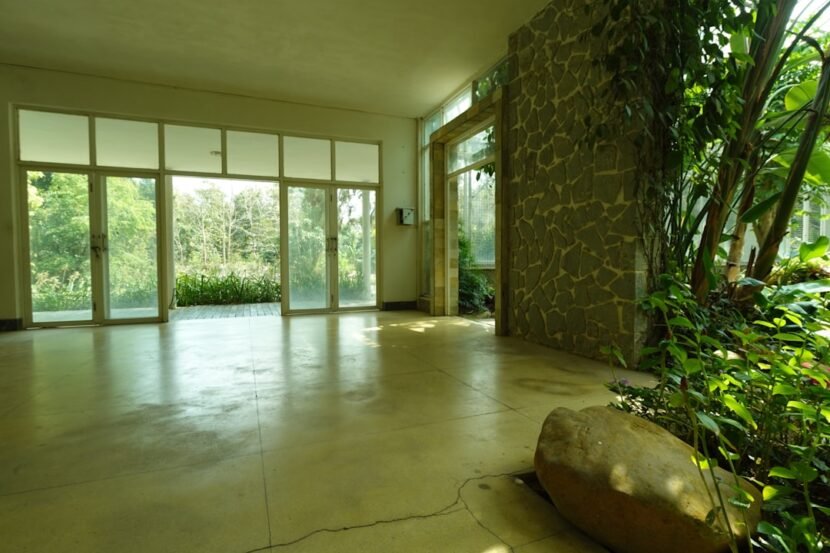
If you have any control over where your desk sits, prioritize a position near a window. Natural light reduces eye strain, regulates your circadian rhythm, and changes how motivated you feel about being in the room. No plant, stone, or wooden object compensates for working in a dark room.
Common Mistakes to Avoid
Buying “nature-themed” rather than natural. Wallpaper with leaves, prints of forests, decorative twigs sprayed gold — these are nature references, not natural elements. They rarely have the same effect as actual materials.
Over-accessorizing. A room with 15 small natural objects reads as cluttered, not naturalistic. Edit down. Five well-chosen pieces beat fifteen mediocre ones.
Ignoring maintenance. Dead plants, dusty baskets, and cracked terracotta look worse than nothing. Natural elements require some upkeep. Choose things you will actually maintain.
Key Takeaways
- Natural elements fall into five categories: materials, plants, light, water, and organic shapes
- The living room benefits most from one large plant and one natural material swap
- Linen bedding is the highest-impact change you can make in a bedroom
- Bathrooms respond well to stone accents, bamboo accessories, and eucalyptus
- Avoid buying nature-themed decor as a substitute for actual natural materials
- Start with one change in one room, then build from there
Looking for more ways to bring warmth into your home? Read our guide on earth tones interior design and earthy interior design ideas.