TL;DR
- Under-bed storage is the highest-capacity hidden storage in any bedroom — most people use less than 20% of it.
- A freestanding wardrobe or open clothes rail solves the no-closet problem completely for under $200.
- Over-door organizers, back-of-door hooks, and wall hooks turn dead vertical space into functional storage.
- Vacuum storage bags compress seasonal items to a fraction of their size — a game-changer for bulky bedding and winter clothes.
- Visible storage (open rails, shelves, baskets) only works when it is edited. Curate what you keep out.
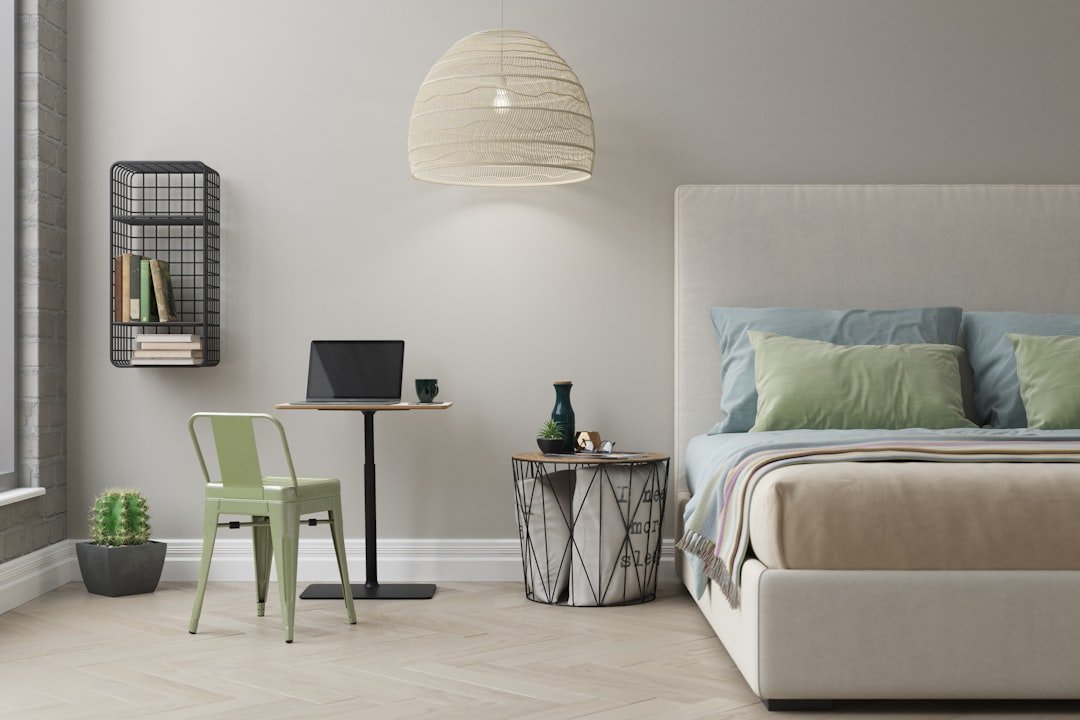
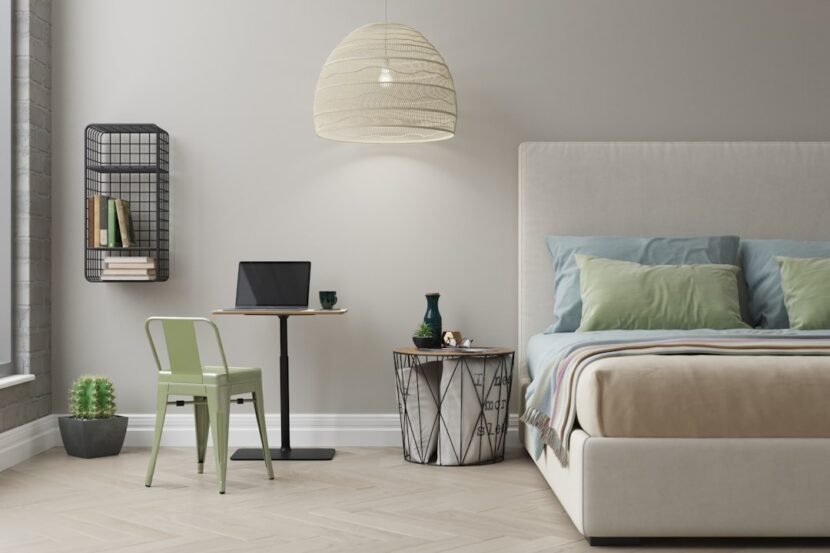
A bedroom without a closet is not a storage problem — it is a creative storage opportunity. The constraint forces you to think about every dimension of the room: the space under the bed, the back of the door, the height of the walls, and the corners that most bedrooms waste entirely.
These 11 small bedroom storage ideas are specifically for rooms with no built-in closet. Each one works for renters, requires no permanent installation (unless you want it), and can be implemented for well under $100.
1. Maximize under-bed storage first
How much storage is under a standard bed? A surprising amount. A standard bed frame with 30cm of clearance underneath holds four to six flat storage boxes — enough for a full wardrobe of off-season clothing, spare bedding, shoes, and accessories.
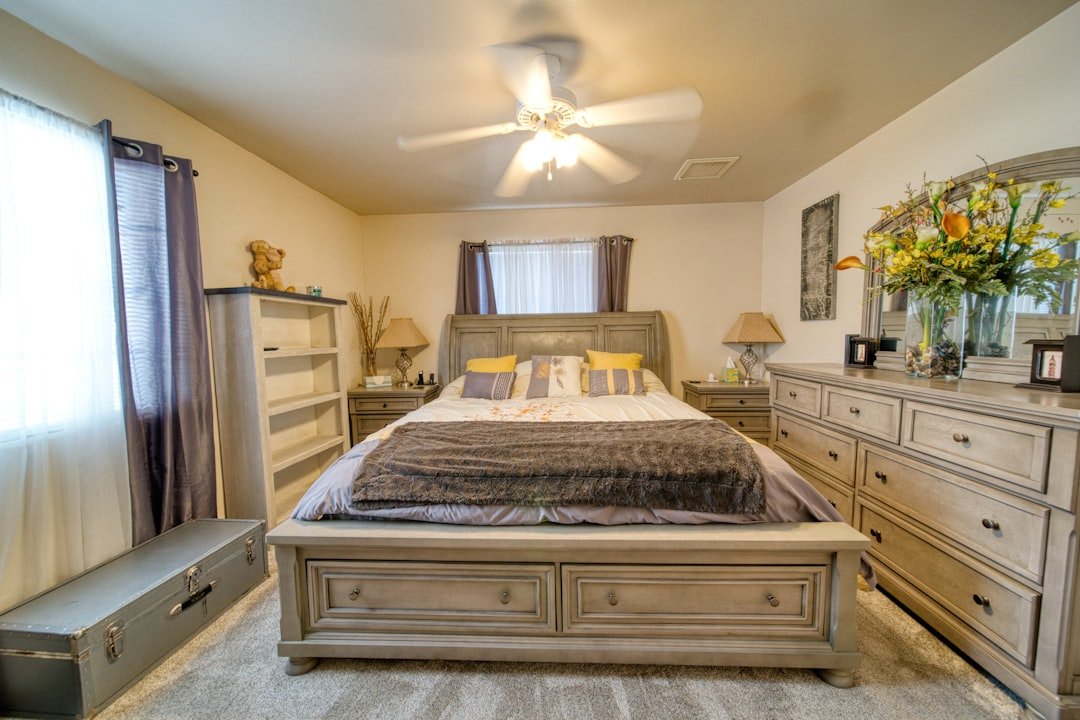
Flat under-bed storage boxes with lids (IKEA SOCKERBIT, Amazon basics versions from $8 to $15 each) slide in and out easily and keep dust off stored items. Organize by category — one box for winter sweaters, one for summer clothes, one for spare bedding — and label each box on the short end facing out so you can find things without pulling every box out.
Vacuum storage bags take this further. A king duvet compressed in a vacuum bag takes up roughly one-quarter of its normal space. Four vacuum bags under the bed can hold an entire season’s worth of bulky clothing. They cost $12 to $20 for a set and pay for themselves immediately in recovered space.
2. Add a freestanding wardrobe or open clothes rail
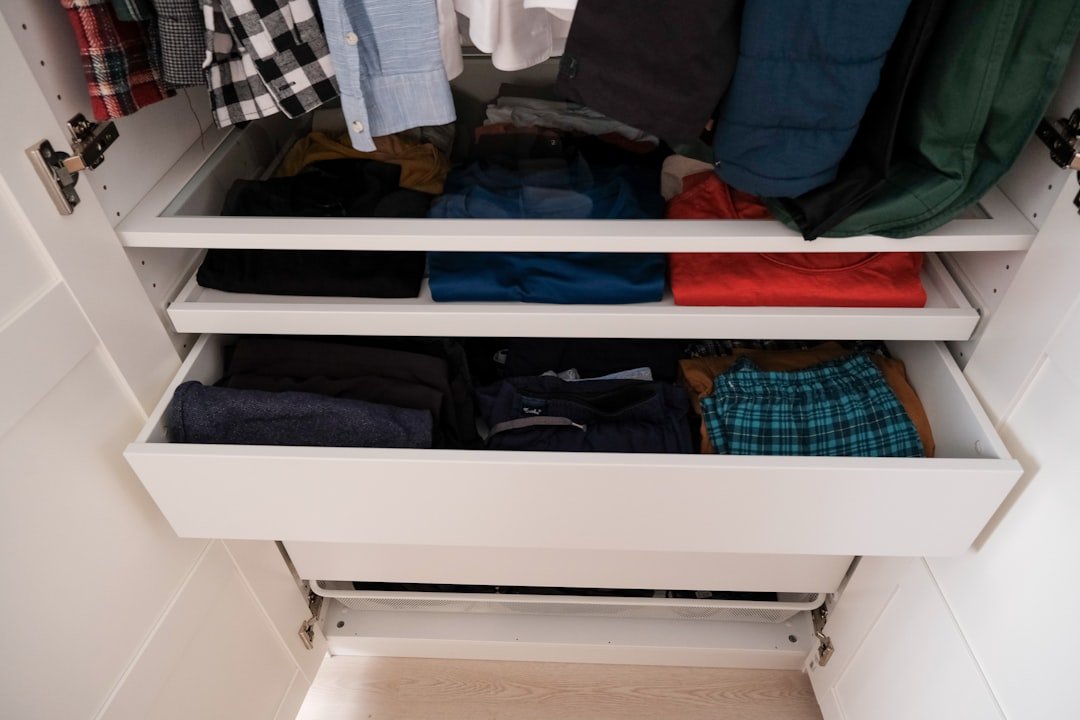
What is the best substitute for a built-in closet? A freestanding wardrobe for enclosed storage, or an open clothes rail for a more minimal, visible approach.
A freestanding wardrobe (IKEA PAX, IKEA BRIMNES, or similar) replicates a built-in closet completely and can be taken with you when you move. IKEA PAX starts at around $130 for a basic single unit and can be configured with internal shelves, drawers, and rails to match your exact storage needs. Choose a wardrobe that reaches ceiling height to avoid wasted vertical space at the top.
An open clothes rail (sometimes called a garment rack) costs $25 to $60 and works well for people whose wardrobe is primarily hanging items — it keeps everything visible and accessible. The tradeoff is that everything on it needs to be kept edited and tidy, since it is always on display. A curated rail with matching hangers and a small shelf unit alongside it can look deliberately styled rather than temporary.
3. Use over-door organizers on every door
What is the most underused storage space in a bedroom? The back of every door. Most bedroom doors have 150 to 180cm of usable space on the back that goes completely unused.
An over-door shoe organizer holds 12 to 24 pairs of shoes without touching a single wall. An over-door hook rack holds bags, belts, scarves, and accessories. An over-door organizer with clear pockets holds small folded items — underwear, socks, accessories — in individual pockets that are visible at a glance. Each of these requires zero installation and leaves no marks on removal.
The back of the wardrobe door (if the wardrobe has one) is equally useful. Over-door pocket organizers designed for inside wardrobe doors hold shoes, accessories, and small folded items without adding any external furniture.
4. Put wall hooks to work

How do wall hooks help with bedroom storage? They take items off the floor and furniture surfaces and move them to walls — the one dimension of the room that is almost always underused for storage.
A row of four to six hooks at 170cm height on one wall (or the back of the bedroom door for renters who cannot drill) handles everyday bags, tomorrow’s outfit, bathrobes, and frequently worn jackets without requiring any wardrobe space at all. Command hooks rated for 3-4kg require no drilling and hold everything short of winter coats. A set of four matching Command hooks costs under $10.
Decorative hooks in brass or matte black are functional and look intentional when mounted as a row. They read as a design choice rather than a workaround, which matters in a room where the storage is visible.
5. Float shelves above the bed
What can go on shelves above the bed? Books, plants, small baskets with folded items, ceramics, and anything else you access occasionally rather than daily. The wall above the headboard is prime real estate that most bedrooms waste entirely.
Two or three floating shelves mounted at 45cm above headboard height (so nothing overhangs where you sit) can hold a significant amount — books alone take substantial wardrobe space when stored on floor shelving, but floating shelves move them off the floor entirely. A pair of IKEA LACK shelves costs $12 to $15 each and holds around 10-15kg per shelf.
For renters: floating shelves require wall anchors, which can be filled and painted over on departure. If drilling is genuinely not an option, a narrow freestanding bookcase placed at the head of the bed achieves the same effect without wall contact.
6. Use a storage ottoman at the foot of the bed
What fits in a storage ottoman? Spare bedding, seasonal clothing, extra pillows, large accessories — anything bulky that does not need daily access. A standard storage ottoman holds roughly the same as two large storage boxes.
A storage ottoman at the foot of the bed serves three functions simultaneously: storage, a place to sit when dressing, and a visual anchor that makes the bedroom feel furnished rather than bare. In a neutral upholstery — cream, gray, natural linen — it reads as bedroom furniture rather than a storage workaround. Options on Amazon from $40 to $80 offer solid storage capacity in a range of sizes.
7. Dedicate a drawer unit to folded clothing
What is the most efficient way to store folded clothing in a bedroom without a closet? A dedicated chest of drawers or a slim rolling drawer unit that fits into available space — beside the bed, at the end of the wardrobe, or under a floating shelf.
File-folding (the KonMari vertical method) doubles the capacity of any drawer by standing items upright instead of stacking them flat. A standard four-drawer chest can hold an entire wardrobe of folded items when packed vertically — t-shirts, jeans, shorts, underwear, socks all filed upright so every item is visible from the top without pulling things out.
8. Create a dedicated accessories station
Where do accessories go in a bedroom without a closet? On a dedicated small unit — a jewelry organizer, a wall-mounted accessory display, or a set of small trays on the dresser — rather than scattered across every surface.
A wall-mounted jewelry organizer with hooks and small trays keeps necklaces untangled, rings visible, and earrings paired — and takes zero drawer or surface space. Combined with a small tray for everyday items (the watch, the bracelet you wear every day), it solves the accessory organization problem completely for under $25.
Frequently asked questions
How do you store clothes in a bedroom with no closet?
A freestanding wardrobe or open clothes rail for hanging items, flat under-bed storage boxes for folded and seasonal items, and a chest of drawers for everyday folded clothing covers the full wardrobe for most people. Add over-door organizers and wall hooks for accessories and frequently worn items.
What is the best under-bed storage solution?
Flat storage boxes with lids for folded clothing and accessories, and vacuum storage bags for bulky items like duvets, pillows, and winter sweaters. Both options keep items dust-free and make the most of available clearance height. Label everything from the front for easy identification.
How do you make a no-closet bedroom look organized?
Keep visible storage (open rails, open shelves) heavily edited — display only what you genuinely use regularly. Use matching hangers on any open clothes rail. Store everything else in closed containers (baskets, boxes with lids) so the room reads as intentional rather than cluttered. A room with visible storage only works when the visible items are curated.
Pulling it together
A bedroom without a closet has more storage potential than most people realize — it just requires using all the dimensions of the room rather than only the floor. Under the bed, over the doors, up the walls, and at the foot of the bed: four storage zones that most no-closet bedrooms leave almost completely unused.
For the styling side — making a small bedroom look good as well as organized — see our small bedroom decor ideas that make a room look bigger guide.