TL;DR
- Organization that looks beautiful uses containers consistently — matching baskets, uniform boxes, labeled jars. Mismatched containers undermine even the most organized space.
- The first step is always editing — removing what you do not use. No amount of organization fixes too much stuff in too little space.
- Vertical space is the most underused storage dimension in small apartments. Go up before you go out.
- One in, one out: every new item brought into a small space should displace something already there.
- Storage that is beautiful enough to leave visible gives you options. Storage that looks utilitarian needs to be hidden.
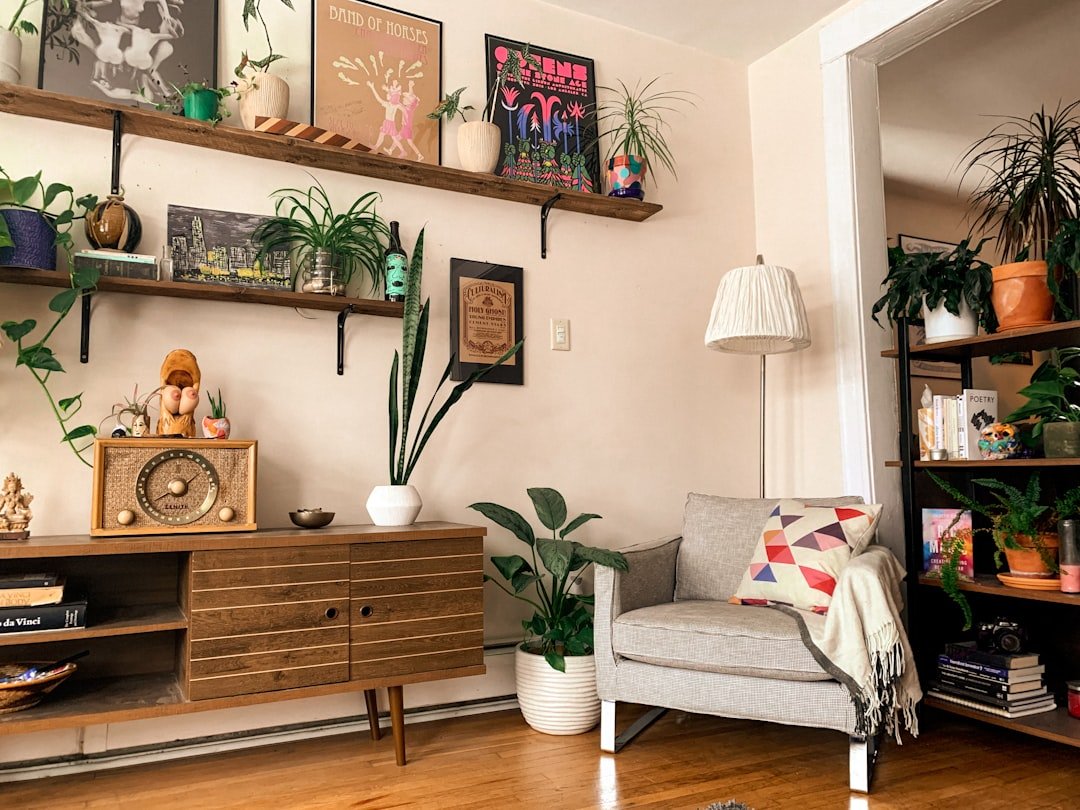
Small space organization fails in one of two ways: it solves storage but creates visual noise (bins, baskets, and boxes covering every surface), or it achieves visual calm but leaves no place for anything to go. The version that actually works does both — organized enough to function, edited enough to look intentional.
These ideas apply across the whole apartment: kitchen, living room, bedroom, bathroom. The principles are the same regardless of room.
1. Edit before you organize
What is the first step in organizing a small space? Removing things. Organization cannot fix too much stuff in too little space — it can only make the stuff you have easier to find. The editing step is not optional.
Go through each category of items (clothing, kitchen items, books, bathroom supplies) and keep only what you use within the last six months (or year for seasonal items). Anything duplicated — three sets of sheets when you only need two, four wooden spoons, six half-used moisturizers — can go. Charity shops, Facebook Marketplace, and Vinted all take items quickly and without drama.
The usual result of a proper edit: 20 to 40% of what you owned was not being used and was taking space that made everything feel cramped. After the edit, the organization step becomes significantly easier because you are working with the right volume of stuff for the space.
2. Use matching containers throughout
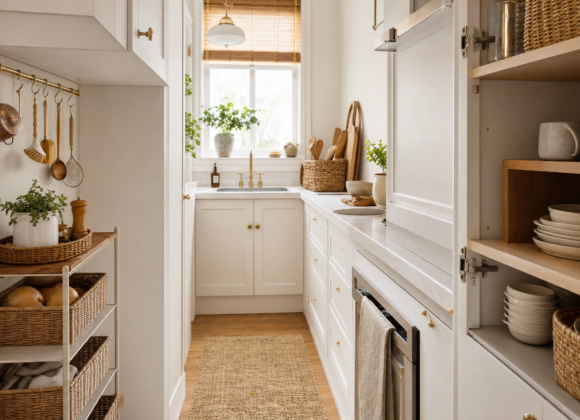
Why do matching containers matter in a small space? Because the eye reads consistency as order. A shelf with five different-colored, different-shaped containers looks cluttered even when everything is perfectly organized inside. The same shelf with five matching containers in the same color and material looks intentional and calm.
Commit to one container family for each zone: uniform white or natural wicker baskets for shelving, matching glass jars for the kitchen counter, identical drawer dividers for bedroom drawers. IKEA’s KUGGIS boxes, the DRONA fabric box range, and Amazon’s basics storage bins all offer affordable uniformity across sizes. Buying the same system in multiple sizes gives you visual consistency while covering different storage needs.
3. Go vertical in every room
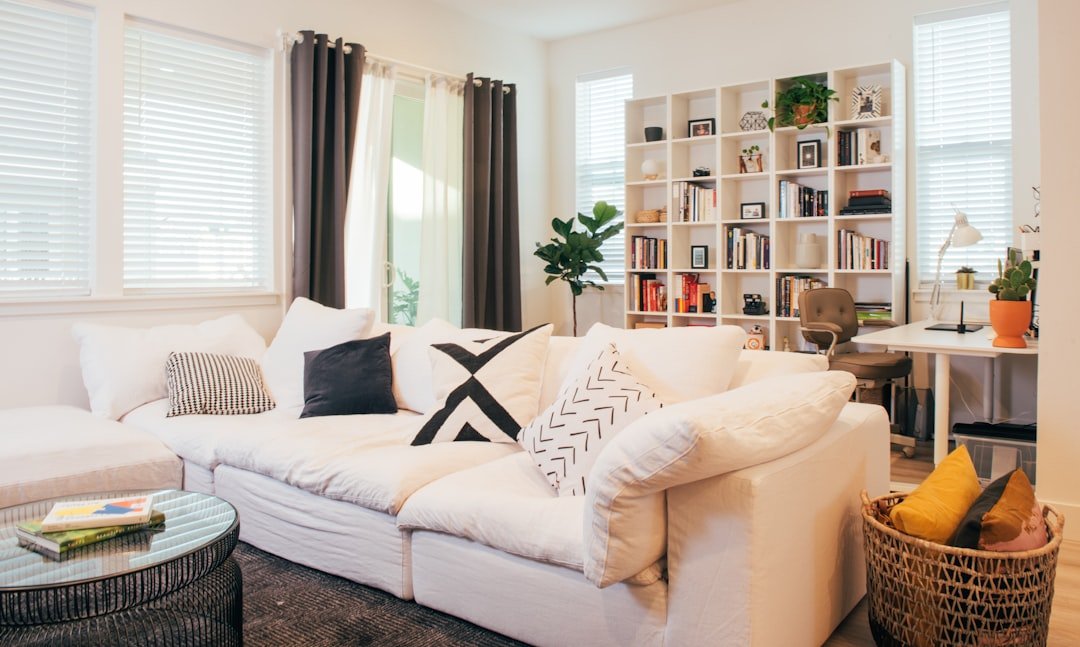
What is the most underused storage dimension in small apartments? Vertical space. Most small apartment organization focuses on floor-level furniture and surface organization — the walls above 150cm are almost always completely unused.
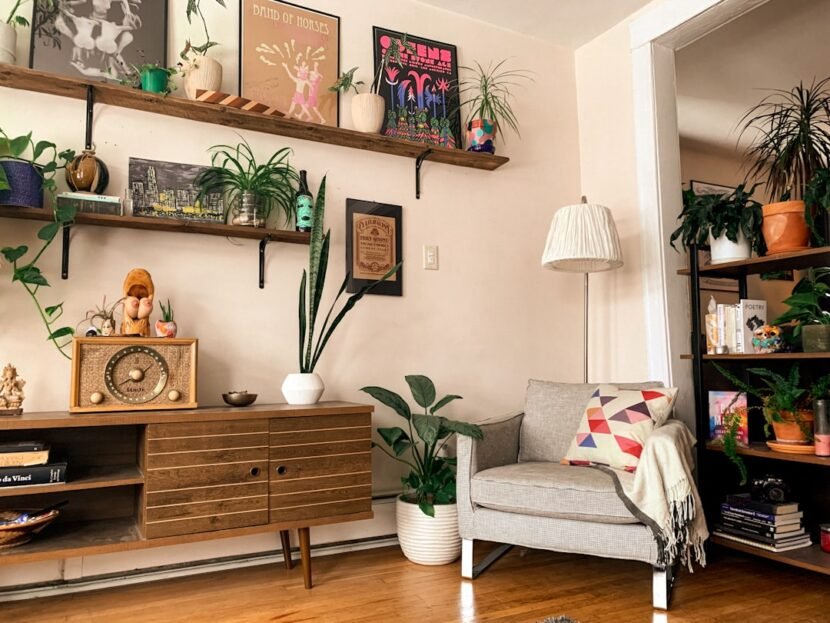
Floating shelves from 150cm up to the ceiling in the living room, bedroom, or kitchen add significant storage without using floor space. A tall, slim bookcase or shelving unit (30cm deep, 180cm or taller) holds more than a wide, low unit and takes a fraction of the floor footprint. In kitchens, open shelves to the ceiling for less-used items bring dead space into productive use. In bedrooms, shelves above the headboard or clothing rail solve the upper-storage problem that most no-closet bedrooms ignore.
4. Make storage part of the furniture
How do you add storage without adding more furniture? By choosing furniture that doubles as storage — every piece earns two functions instead of one.

The best multi-function storage pieces for small apartments: a storage ottoman (seating plus hidden storage), a bed with under-bed drawers or a lift-up base, a bench with interior storage at the hallway or bedroom entry, a dining table with built-in drawers, and a sofa with a storage compartment in the base. Each replaces a piece of furniture that was purely functional with one that is functional and storage-capable simultaneously.
Nesting tables, stackable stools, and folding furniture that disappears when not in use belong in the same category — they add function when needed and eliminate their footprint when not. A folding dining table against a wall in a studio apartment gives you a full dining surface when needed and returns 90% of its space when folded.
5. Organize bedroom storage with the file-fold method
What is the most space-efficient way to fold and store clothes? Vertical file-folding — standing items upright in drawers rather than stacking them flat. A standard four-drawer chest doubles its visible capacity when every item is standing vertically rather than layered horizontally.
File-folding works for t-shirts, jeans, shorts, underwear, and socks. Each item is folded into a rectangle small enough to stand upright, then placed in the drawer like a file in a filing cabinet. Every item is visible from the top when you open the drawer — no digging through stacks. Drawer dividers keep categories separated and maintain the organization between washes.
6. Use dead corners productively
What is the most wasted space in a small apartment? Corners. Most corners in apartments hold nothing — a dusty piece of furniture pushed against the wall, or nothing at all.
Corner shelving units, corner wardrobes, and corner desks use a space that furniture placed flat against walls cannot reach. In a living room, a corner shelf unit holds books, plants, and decor without intruding on the wall space needed for a sofa or TV. In a bedroom, a corner wardrobe uses space that otherwise sits empty behind where two walls meet.
Even a tall plant in a corner — no shelf required — transforms dead corner space into a visual anchor that makes the room feel complete rather than under-furnished.
7. Label everything that goes behind a door
Why is labeling important in small space organization? Because storage that requires opening five boxes to find what you need is not functional storage — it will be abandoned within a week. Labels make closed storage as accessible as open storage.
Label on the front face of every box, bin, and basket that sits behind a closed door. Use a consistent label format — printed labels, a label maker, or chalk labels on chalkboard stickers. The format matters less than the consistency. A shelf of identically labeled boxes with clear categories (winter clothes, spare bedding, documents, cables) functions completely differently from the same shelf of unlabeled boxes.
8. Storage ideas for small spaces: room by room quick reference
Kitchen: Magnetic knife strip on the wall (frees a drawer), matching decanted jars for dry goods on the counter (consistent look plus easy access), tension rods under the sink to hang cleaning bottles vertically, pot lid organizer inside a cabinet door.
Living room: Storage ottoman as coffee table substitute, floating shelves above the sofa or TV unit, baskets inside open shelving units to hide cables and remotes, a console table with a drawer for mail and daily items.
Bedroom: Under-bed flat storage boxes, over-door organizers on every door, wall hooks for bags and everyday items, floating shelves above the headboard for books and plants.
Bathroom: Magnetic strips inside cabinet doors for bobby pins and small metal items, shower caddies that hang from the shower head rather than sitting on the floor, a slim rolling cart between the toilet and the wall, towel hooks on the back of the bathroom door. For more bathroom specifics, see our small bathroom organization ideas guide.
9. Apply the one-in one-out rule permanently
How do you maintain organization in a small space long term? One in, one out. Every time a new item comes into the apartment, something else leaves. A new book means one existing book goes to a charity shop. A new kitchen gadget means one existing one is donated or sold.
The one-in one-out rule is the only system that prevents a small space from re-cluttering after an organization session. Without it, every tidy space gradually fills back up — the nature of accumulation in a fixed volume. With it, the volume stays constant and the organization holds.
Frequently asked questions
How do you organize a small space with a lot of stuff?
Edit first — the goal is to have less stuff, not to organize all the stuff you have. After editing, use vertical storage to maximize capacity, matching containers to reduce visual noise, and multi-function furniture to add storage without adding floor footprint. Label everything that is not immediately visible.
What are space-saving ideas for small bedrooms?
Under-bed storage boxes, vertical file-folding in drawers, floating shelves above the headboard, over-door organizers on every door, and wall hooks for everyday items. See our dedicated small bedroom storage ideas guide for the full breakdown.
How do you make organized storage look beautiful?
Matching containers, consistent labeling, and ruthless editing. Beautiful organization is not about buying expensive storage products — it is about using the same product family consistently and keeping only what you actually use. The restraint is the aesthetic.
Pulling it together
Organization that looks beautiful in a small space is always the result of two things working together: functional systems that make storage easy to maintain, and visual consistency that makes the organization itself part of the decor. Neither alone is sufficient. Both together create a small apartment that feels genuinely under control.
Start with the edit. The rest follows from there.
nn