TL;DR
- A sofa that fits the room — not the one you wish you had — is the single most important decision in a small apartment living room.
- Light, mirrors, and vertical storage can make almost any small living room feel twice the size.
- Multi-functional furniture (storage ottomans, sofa beds, nesting tables) earns its place; decorative-only pieces usually do not.
- A rug defines the seating zone and makes a small room feel intentional rather than under-furnished.
- You need fewer pieces than you think. Editing down is the move, not cramming more in.
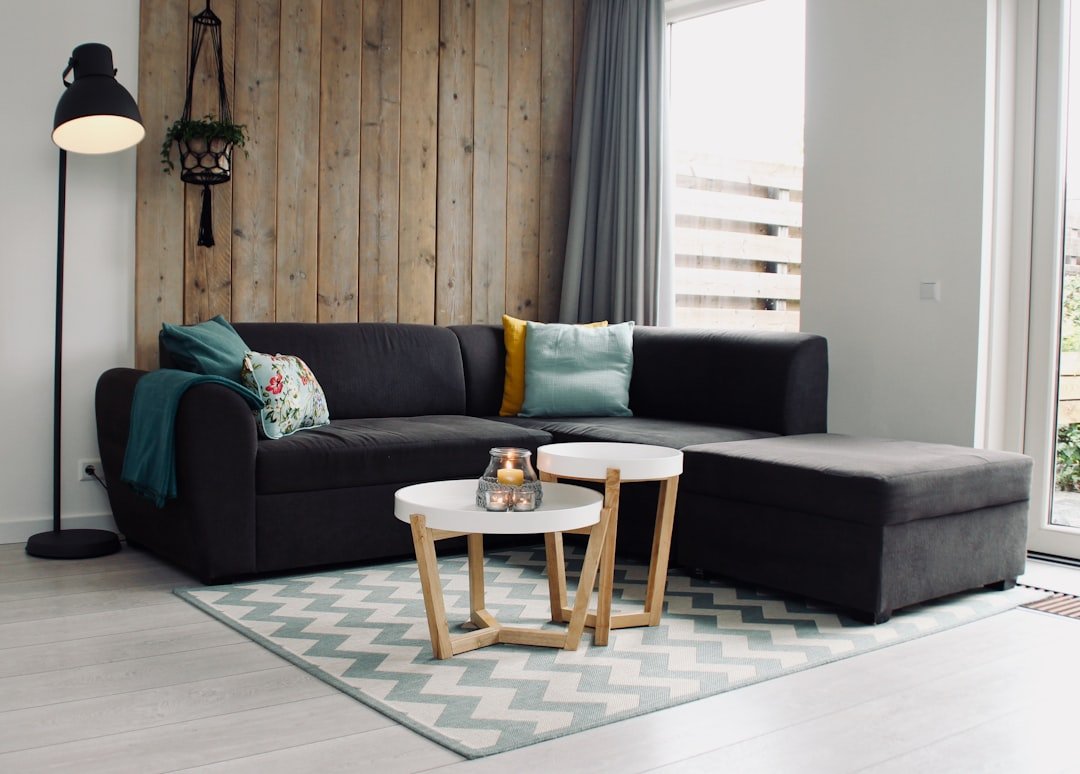
Small apartment living rooms fail for one reason: they are decorated like large ones. A big sectional, a full coffee table, a TV unit, a bookcase — all the furniture that makes sense at 400 square feet gets squeezed into a 150-square-foot room and the result is a space that cannot be used comfortably.
This guide covers what actually works in a small apartment living room — layout first, then furniture choices, then the styling decisions that make a small space feel genuinely comfortable rather than just organized.
Start with layout before buying a single piece of furniture
What is the most common small living room mistake? Buying furniture before deciding on layout. The sofa, the rug, and the TV position need to be decided together — each one constrains the others, and getting one wrong means the whole room fights itself.
In most small apartment living rooms, there is really only one viable sofa position: against the longest wall, or floating in the room facing the TV wall. Start with those two options and measure both before committing. A sofa that is even 20cm too wide for a wall can make a room feel impassable. The minimum comfortable walkway between a sofa and a coffee table is 45cm. The minimum between a sofa and the opposite wall is 90cm.
1. Choose the right sofa — this is the whole game
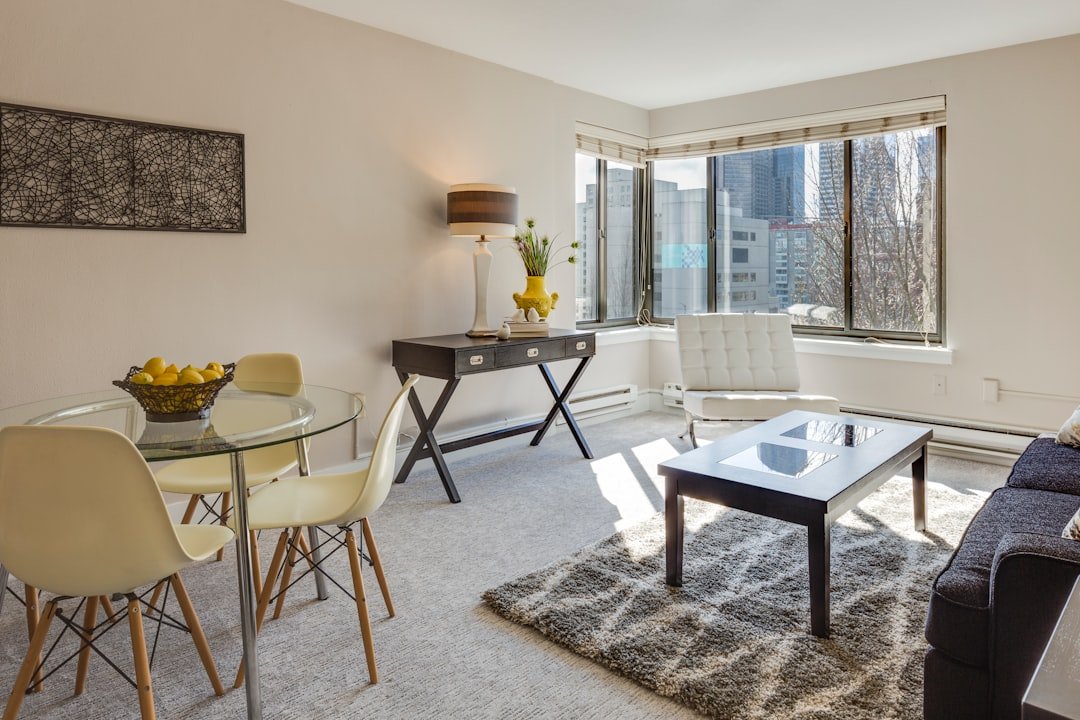
What sofa works best in a small apartment living room? A two-seater or compact three-seater with legs, in a light neutral color, positioned against the longest wall. Everything else follows from this.
Sofas with visible legs create airflow under the piece and make the floor feel more continuous — the room reads as larger. Sofas that sit directly on the floor (or on a low plinth) make the room feel heavier. Light colors (cream, warm white, light gray, natural linen) reflect light and recede visually. Dark sofas in small rooms can make the whole space feel smaller.
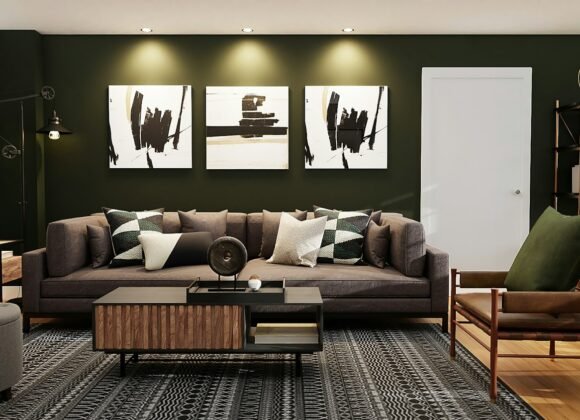
The worst choice for a small living room is a sectional. Even a small sectional typically requires 250cm minimum in two directions — which most small apartment living rooms simply do not have while still leaving functional space. If you need seating for more people, add a pair of armchairs that can be moved rather than a fixed L-shape that dominates permanently.
2. Use a rug to define the space
Do you need a rug in a small living room? Yes — and it needs to be bigger than you think. A rug that is too small makes a room look smaller, not larger. All four legs of the sofa on the rug, or at minimum the two front legs, anchors the seating zone and makes it feel intentional.
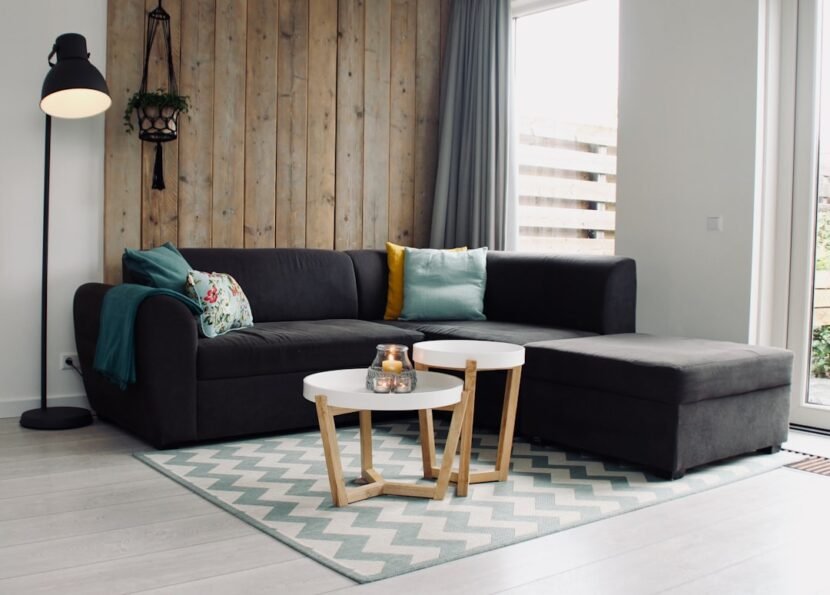
For most small apartment living rooms, a 160x230cm rug is the minimum that works. A 200x290cm rug is better. A rug that only sits under the coffee table and in front of the sofa reads as an afterthought. The rug defines where the room is — without it, furniture floats and the space feels unfinished.
Color and pattern: in a small room, a rug in a warm neutral (cream, oatmeal, warm gray) keeps the floor plane open. A bold patterned rug can work, but the more pattern on the floor, the simpler the walls and furniture need to be. One statement per room — either the rug or the art, not both at full volume.
3. Replace the coffee table with something smarter
Should you have a coffee table in a small living room? Not necessarily — at least not a traditional solid rectangular one. A standard coffee table in a small room takes up floor space you cannot afford and blocks circulation.
Better alternatives: a storage ottoman (soft, doubles as extra seating and storage), nesting tables that slide under each other when not in use, a small round table with a slim profile that does not block sightlines, or no table at all with a small side table next to each seating position. Each of these options gives you the surface function of a coffee table without the floor-space cost.
If you keep a coffee table, choose one with a lower visual profile — glass tops, open shelving underneath, or slim metal legs all reduce the visual weight significantly compared to a solid wood piece.
4. Use a large mirror to double the light
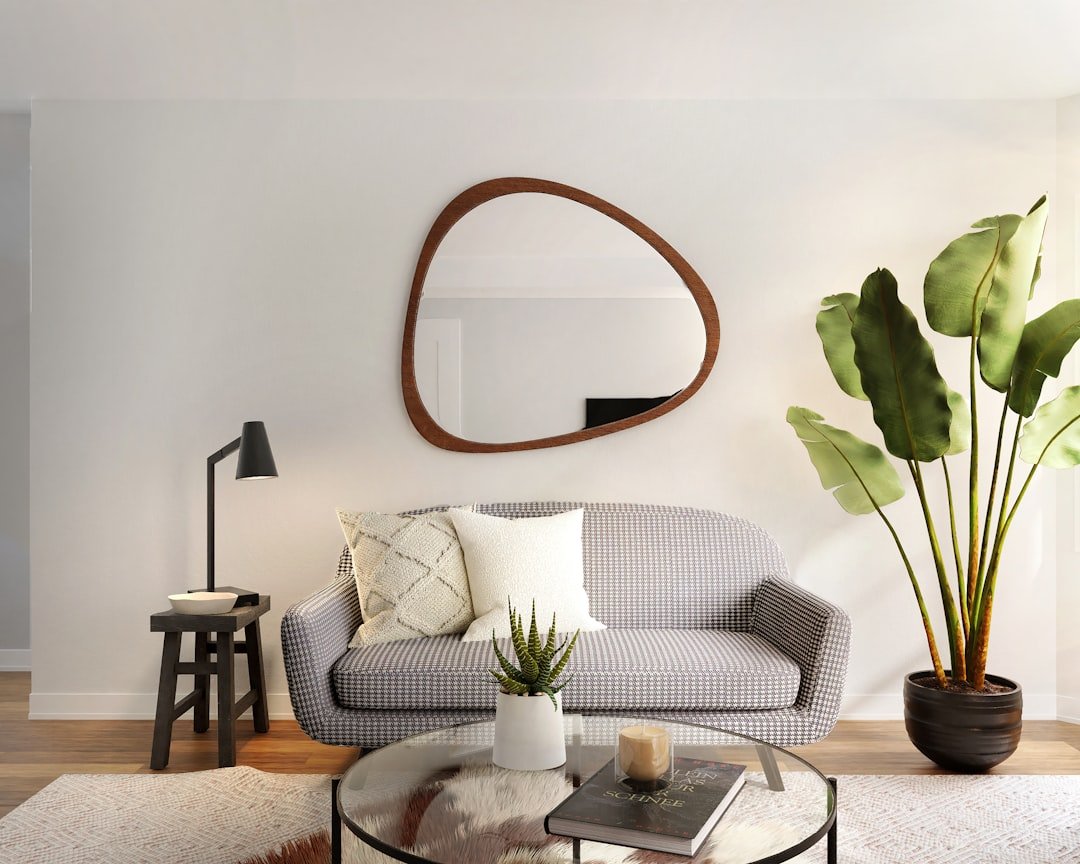
What does a mirror do in a small living room? A large mirror positioned opposite or adjacent to a window reflects natural light back into the room and creates an illusion of depth that adds perceived square footage.
The bigger the mirror, the more effective it is. A full-length leaner mirror or a large wall-mounted mirror (90cm or wider) on the wall opposite the main window is the single most impactful styling addition you can make in a small, darker apartment living room. It does not need to be expensive — a simple round or rectangular mirror from IKEA or a second-hand find works identically to a designer piece at a fraction of the cost.
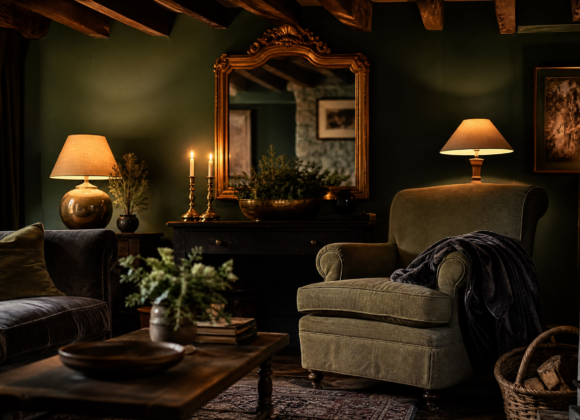
Do not hang the mirror opposite a wall you do not want to look at twice. If the room has a cluttered corner or an ugly feature, mirror the good wall.
5. Go vertical with storage
Where does storage go in a small apartment living room? Up. Floor space is your most limited resource in a small room — vertical wall space is almost always underused.
Floating shelves from floor to ceiling alongside a TV wall turn dead space into meaningful storage and display. A tall, narrow bookcase (30cm deep, 180cm or taller) holds significantly more than a wide low unit and takes a fraction of the floor footprint. Shelves above the sofa work if the ceiling is high enough — keep them at least 45cm above seated head height so nothing feels oppressive.
The key to open shelving in a small room: keep it curated. A shelf with 20 random objects reads as clutter. The same shelf with seven deliberate objects — a plant, two or three books, a small ceramic piece, one candle — reads as styled. Edit ruthlessly.
6. Small apartment living room ideas on a budget
Can you make a small apartment living room look good without spending much? Yes. The changes with the most impact are almost all low cost.
The highest-impact budget additions in order: a large rug ($40 to $80 on Amazon or IKEA), a warm 2700K LED bulb replacing any cool ceiling fixture ($4), a full-length leaned mirror ($20 to $50 from a thrift store or Facebook Marketplace), one large trailing plant in a terracotta pot ($10 to $15 from a garden center), and a throw blanket draped over the sofa to add texture and color ($15 to $25). Total under $150, and these five changes alone transform a bare apartment living room.
7. Modern apartment living room ideas
What does a modern small apartment living room look like? Clean lines, a limited palette of two or three colors, furniture with slim profiles and visible legs, and storage that is either hidden or deliberately curated.
The modern approach works particularly well in small spaces because it avoids the accumulation of decorative objects that makes small rooms feel crowded. Pick one accent color and repeat it in three places maximum — a cushion, a plant pot, and a small vase, for example. Everything else stays neutral. The restraint is the design.
8. Layer your lighting for a bigger feel
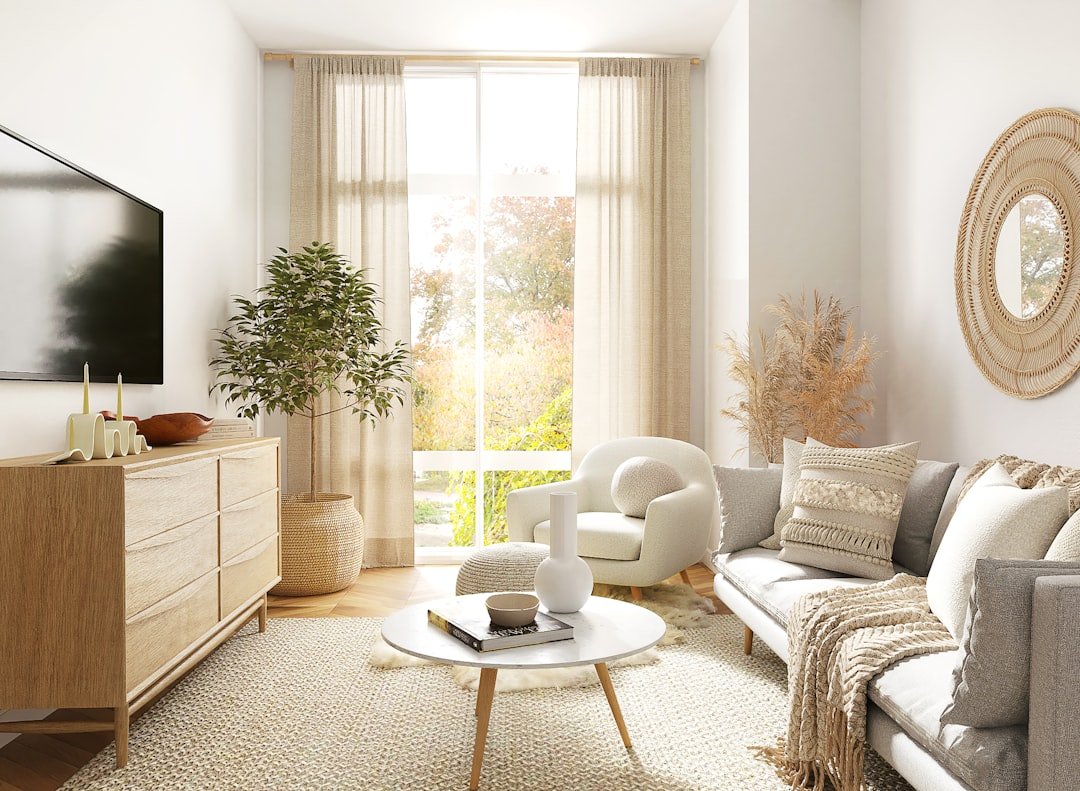
Why does lighting make a small room feel larger? Because a single overhead light creates harsh shadows in corners and makes the room edges feel close. Multiple light sources at different heights distribute light more evenly and make the room feel like it extends further than it does.
The standard living room formula: a floor lamp in one corner, a table lamp on a side table or shelf, the ceiling fixture on a dimmer if possible, and candles or fairy lights for evening. All bulbs at 2700K warm white. The floor lamp is often the most transformative single addition — it fills a corner with warm light that a ceiling fixture cannot reach. For more on this, see our cozy living room lighting ideas guide.
9. Use plants strategically
What plants work best in a small apartment living room? One large plant makes a bigger statement than five small ones and takes less collective floor space. A large monstera, fiddle leaf fig, or bird of paradise in a good pot in one corner adds life, height, and organic warmth that no furniture piece can replicate.
If floor space is truly limited, trailing plants on high shelves add the same green presence without the footprint. A pothos or string of hearts trailing from a shelf at head height cascades down the wall and reads as both a design element and a living thing. It costs about $8 from a garden center and transforms how a corner feels.
10. Small apartment layout ideas that actually work
What is the best layout for a small apartment living room? It depends on the room shape, but most small rectangular apartment living rooms work best with the sofa centered on the longest wall, TV on the opposite or adjacent wall, and all circulation kept to one side.
The floating sofa layout — sofa pulled away from the wall with a console table behind it — works in rooms where the sofa is not against the longest wall. It creates a natural division between the living area and other zones (dining, work) without using a physical partition. For detailed layout guidance for your specific room shape, see our small apartment living room layout ideas guide.
Frequently asked questions
How do you make a small apartment living room look bigger?
Five things work reliably: a large mirror opposite the main window, a rug that is bigger than you think you need, furniture with visible legs, keeping the floor as clear as possible, and using vertical wall space for storage rather than floor space. Lighter wall colors and warm lighting also expand the perceived size of a room significantly.
What furniture works best in a small apartment living room?
A compact two or three-seater sofa with legs, a storage ottoman instead of a coffee table, a tall narrow bookcase or floating shelves for storage, and a floor lamp in one corner. Multi-functional pieces earn their place — single-purpose decorative furniture usually does not in a small room.
What color should a small apartment living room be?
Light warm neutrals — warm white, cream, soft greige — keep a small room feeling open. One accent color repeated in two or three accessories prevents the space from feeling too bare without adding visual noise. Avoid dark walls in very small rooms unless there is strong natural light.
The bottom line
A small apartment living room works when every piece earns its place, the layout is decided before anything is bought, and light is treated as seriously as furniture. Start with the sofa position, add the rug, fix the lighting, and let the rest follow. The goal is not to fill the room — it is to make it feel complete.
For organization help, see our small space organization ideas guide.