TL;DR
- 2700K warm white LED bulbs are the single most impactful living room lighting change — swap every bulb in the room before buying any new fixtures.
- A floor lamp in one corner fills the space a ceiling fixture cannot reach and transforms how the room feels in the evening.
- Layer at least three light sources at different heights: ceiling, mid-level (table lamp), and low (floor lamp or candles).
- Dimmer switches change the function of every overhead fixture — worth installing on any permanent ceiling light you use regularly.
- Ambient living room lighting comes from multiple low-wattage sources, not one bright one. Turn the ceiling light off and add two lamps instead.
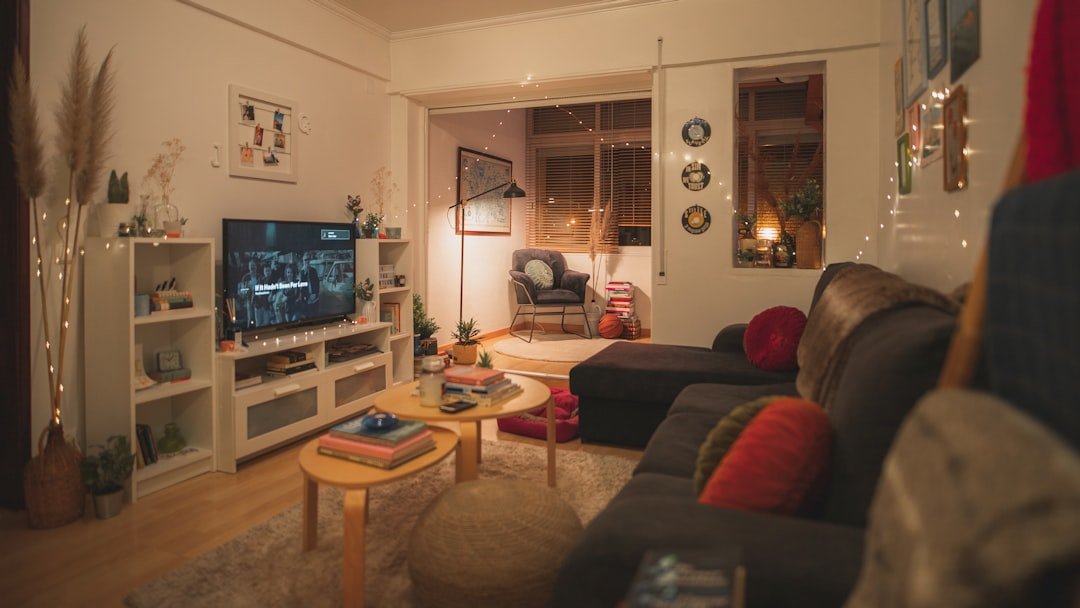
Most apartment living rooms are lit by a single ceiling fixture on full brightness. It is the worst possible approach to evening lighting: it washes the room in flat, shadowless light that makes it feel like an office rather than somewhere you want to spend time.
Cozy living room lighting is not about buying expensive fixtures. It is about understanding color temperature, building layers, and turning the ceiling light off more often than it is on.
1. Start with bulb color temperature
What bulb color temperature makes a living room feel cozy? 2700K warm white. This is the most important lighting decision in the entire room — and the cheapest to fix.
Light bulbs are measured in Kelvin (K). 2700K produces a warm amber-toned light similar to incandescent bulbs. 3000K is slightly cooler but still warm. 4000K and above (cool white and daylight) produces a bluish light that reads as energizing rather than relaxing — fine for a home office or kitchen, unsuitable for a living room you use in the evenings.
Check the color temperature of every bulb currently in your living room. If any are 4000K or higher, replace them. A four-pack of 2700K warm white LED bulbs costs $8 to $12 and is the most impactful lighting change you can make for under $15. Do this before buying any new fixtures.
2. Add a floor lamp in the darkest corner
Why is a floor lamp the most impactful lighting addition to a living room? Because it puts warm light exactly where a ceiling fixture cannot reach — at a low angle, in the corners, at human height rather than above your head.
A floor lamp in the corner opposite the main window or the corner furthest from the ceiling fixture creates a warm pool of light that makes the room feel larger and more welcoming simultaneously. The lamp illuminates the ceiling above it (reflected uplight) and the corner around it — two zones that ceiling fixtures leave in shadow.
An arc floor lamp positioned above the sofa area functions as a reading light and an ambient source in one. An uplight floor lamp (bowl pointing up) provides the gentlest possible ambient lighting — it bounces off the ceiling and fills the room with indirect warm light that feels almost like natural light at dusk. Both options cost $40 to $80 for good quality versions on Amazon or at IKEA (HEKTAR arc lamp, $60).
3. Layer three light sources at different heights
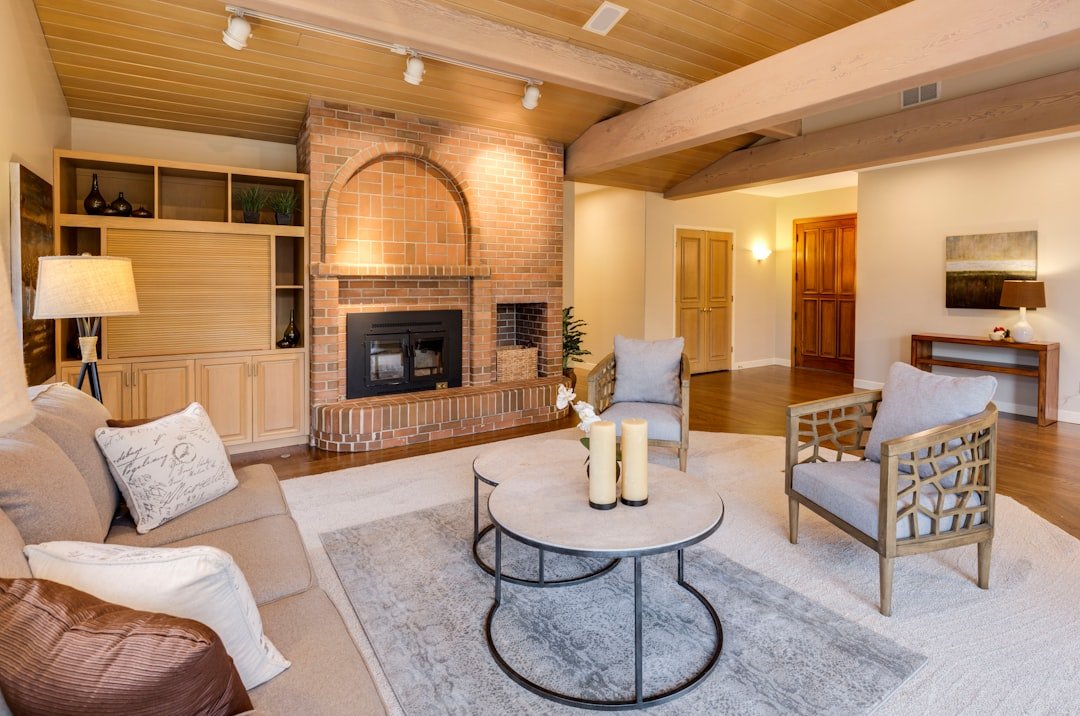
What does layered lighting mean in a living room? Multiple light sources at different heights operating simultaneously rather than one light doing everything. Ceiling (overhead), mid-level (table lamps, wall sconces), and low (floor lamps, candles) — all warm, all on at the same time.
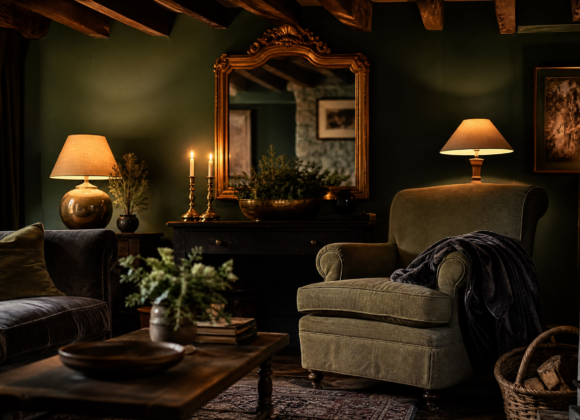
The ceiling fixture goes on a dimmer (or gets turned off entirely). A table lamp on a side table or bookshelf provides mid-level warm light. A floor lamp in one corner provides low ambient warmth. Candles on the coffee table or mantelpiece provide the lowest, warmest light layer. All four sources running simultaneously at moderate brightness creates significantly more atmosphere than any single source at full brightness.
The hierarchy of coziness: candles are warmest but require attention. Floor lamps are the most effective single addition. Table lamps fill corners and surfaces a floor lamp cannot reach. The ceiling fixture is last resort — functional, not atmospheric.
4. Ambient lighting for the living room: specific products that work
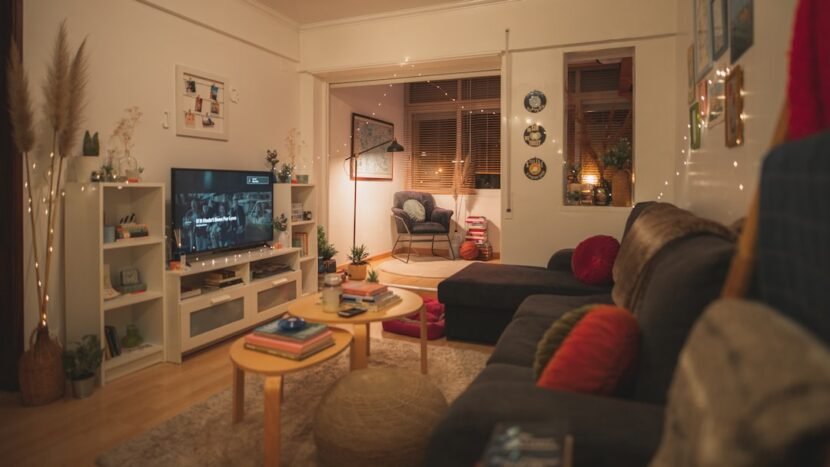
What are the best ambient lighting options for a living room? In order of impact: an uplight floor lamp (bounces light off the ceiling for the most even warm fill), LED strip lights on a 2700K warm setting behind a TV or under a shelf (adds a glow without a visible fixture), plug-in wall sconces in corners where a table or floor lamp will not fit, and fairy lights on a shelf or along a mantelpiece for the lowest and warmest possible ambient layer.
LED strip lights behind the TV (bias lighting) serve a practical as well as aesthetic function — they reduce eye strain by reducing the contrast between the bright screen and the dark wall behind it. A warm 2700K LED strip taped behind a TV and plugged into a USB port on the TV itself costs $15 to $25 and stays on automatically when the TV is on.
5. Install a dimmer switch on the ceiling fixture
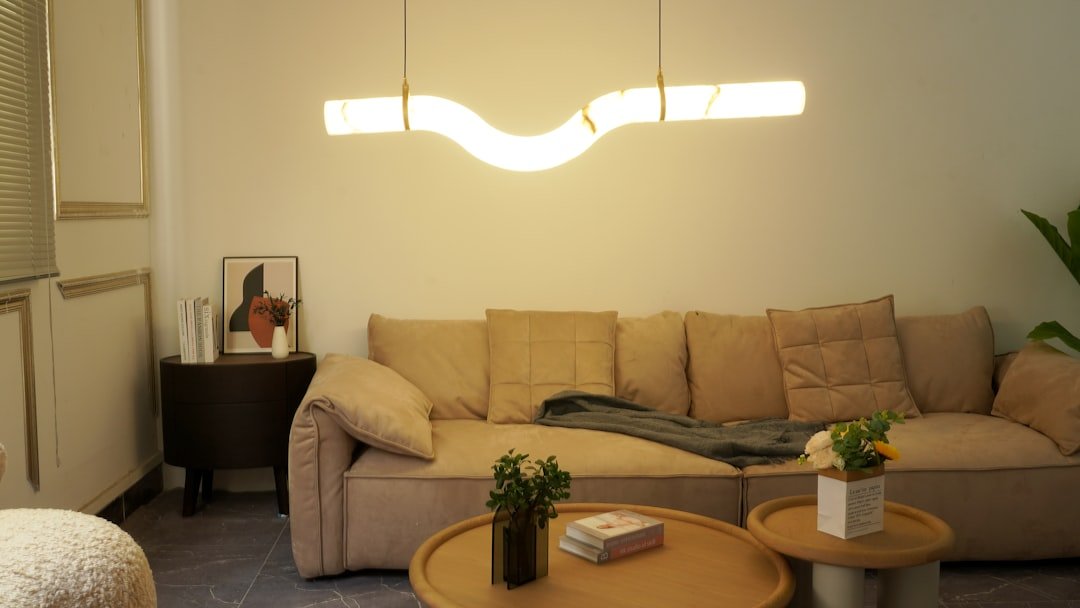
Is a dimmer switch worth installing? Yes — it is the most functional upgrade you can make to an existing ceiling fixture. A dimmable ceiling light at 20% brightness with two table lamps running simultaneously creates a completely different room from the same ceiling light at 100%.
Smart dimmer switches (Philips Hue, Kasa brand) replace the existing wall switch and allow control via app or voice as well as the physical switch. Standard dimmer switches cost $12 to $20 and are a simple like-for-like replacement of the existing switch in most cases. The ceiling fixture needs to have dimmable bulbs installed — most modern LED bulbs are dimmable when used with a compatible dimmer, but check the bulb packaging to confirm.
6. Warm ambient lighting: the living room evening routine
How do you create warm ambient lighting in the evening? Turn the ceiling light off. Turn the floor lamp on. Turn the table lamp on. Light two or three candles. Put the TV on if needed. This five-step routine costs nothing once the lamps are in place and produces a completely different atmosphere from the ceiling-fixture-on default.
The instinct for most people is to use the ceiling fixture as the primary light source because it is the most powerful and requires the least thought. But evening living room light should not be powerful — it should be warm, low, and distributed. The moment you turn the ceiling light off and switch to lamps only, the room transforms. It is worth experiencing once to understand why layered lighting matters so much more than fixture quality.
7. Cozy lights for the bedroom extension
Do the same lighting principles apply in the bedroom? Yes, with one addition: the bedroom needs a reading light at headboard height in addition to the ambient sources. A plug-in wall sconce or a clip-on reading light at each side of the bed handles the reading function without requiring a table lamp that takes nightstand space.
Bedroom lighting hierarchy: ceiling light off by default in the evening, bedside sconces for reading and ambient use, and no overhead light exposure within an hour of sleep if you are sensitive to light’s effect on sleep quality. The 2700K warm bulb recommendation applies doubly in the bedroom — blue-toned light from cool bulbs actively disrupts melatonin production in ways that warm light does not.
Frequently asked questions
What lighting makes a living room feel cozy?
2700K warm white bulbs in multiple sources at different heights — a floor lamp in one corner, a table lamp on a side surface, candles at coffee table level, and the ceiling fixture on a dimmer or turned off. The combination of warm color temperature and multiple low-angle sources creates the cozy atmosphere that a single bright overhead light cannot.
What is ambient lighting for a living room?
Ambient lighting is the general background light level in a room — distinct from task lighting (focused on a specific area for a purpose) and accent lighting (highlighting a specific object or feature). In a living room, ambient lighting is achieved by multiple low-intensity warm sources rather than one high-intensity source. A floor lamp on low, a table lamp, and candles together create ambient lighting. The ceiling fixture on full brightness creates functional light, not ambient light.
What is the best color temperature for a living room?
2700K warm white for evening use and general living room atmosphere. If the room doubles as a work space during the day, a smart bulb that allows switching between 2700K (evening) and 3000K to 4000K (daytime work) gives the best of both. Avoid 5000K and above in any living or sleeping space — the blue-toned light is energizing in a way that works against relaxation.
Pulling it together
Cozy living room lighting costs almost nothing to get right. Start with the bulbs — 2700K throughout. Add a floor lamp in the darkest corner. Turn the ceiling light off in the evenings. Light two candles. The room you have been trying to achieve through furniture and decor has been achievable through bulbs and placement the whole time.
For the full living room decor approach, see our small apartment living room ideas guide and our modern minimalist living room ideas guide.