The under-sink cabinet is one of the most challenging storage spaces in any bathroom. The plumbing pipes that run through it create awkward obstacles, the dark interior makes things hard to find, and the deep space at the back becomes a graveyard for forgotten cleaning products.
These 10 ideas are designed to work around the constraints of under-sink storage — using the available space efficiently while keeping everything accessible and visible.
01. Start with a Complete Declutter
Before adding any organising solutions, remove everything from under the sink completely and sort it into three piles: keep, discard, and relocate. Expired products, empty bottles, and duplicate items are all candidates for the bin. Products that belong in other rooms should be moved there.
Most under-sink cabinets contain far more than they need to. After a ruthless edit, the organisation challenge becomes significantly more manageable.
02. Install Pull-Out Drawer Organisers
Pull-out drawer inserts are the single most useful upgrade for an under-sink cabinet. They bring the full depth of the cabinet into use by allowing items at the back to slide forward, eliminating the dead space where products disappear.
Measure the interior width and depth of your cabinet before purchasing. Many pull-out organisers are designed to fit around plumbing pipes — look for options with adjustable dividers or U-shaped cutouts.
03. Use a Tension Rod to Create a Hanging Level
A tension rod installed horizontally across the upper section of the under-sink cabinet creates an instant hanging level for spray bottles. Hook them over the rod by their trigger handles, and the entire floor of the cabinet remains free for other storage.
This clever trick is one of the most space-efficient solutions for under-sink storage — it uses previously unused vertical space and costs virtually nothing.
04. Use Stackable Bins for Categorised Storage
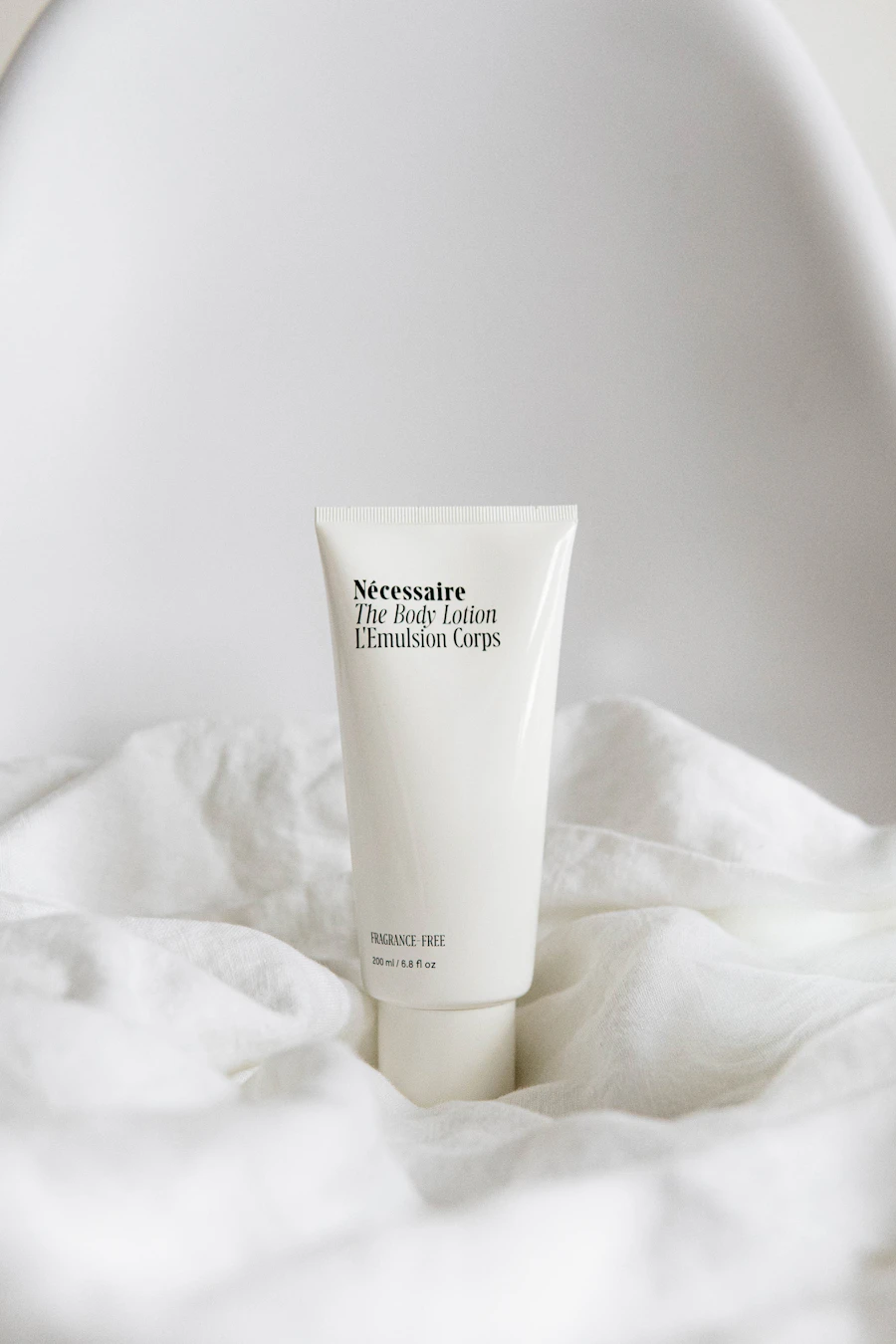
Stackable bins or baskets allow you to create categories within the under-sink cabinet: one for cleaning products, one for spare toiletries, one for hair products, and one for first aid supplies. Clear or labelled bins make every category immediately visible and accessible.
Choose bins that fit the specific dimensions of your cabinet and leave room for the plumbing. Stackable bins from the same range tessellate efficiently and make the most of vertical space.
05. Add a Small Shelf to Create Two Levels
An under-sink shelf insert creates a second level of storage in the cabinet, effectively doubling the usable area. Small items like toiletry bottles, cotton pad boxes, and first aid supplies can live on the upper shelf while cleaning products and larger items stay on the floor below.
Look for shelf inserts with a U-shaped cutout to accommodate the plumbing pipes. Adjustable shelves are more versatile than fixed-height options.
06. Mount Small Baskets Inside the Cabinet Doors
The inside surfaces of under-sink cabinet doors are consistently overlooked as storage space. Small wire baskets, adhesive hooks, or over-door organisers mounted on the door interior can hold hairbands, cotton buds, nail files, spare razors, and other small bathroom items.
This uses space that previously contributed nothing — every new door surface activated is storage that requires no additional cabinet footprint.
07. Group Products by Category and Person
In a shared bathroom, grouping products by person and then by category within each person’s zone prevents items from getting mixed up and makes it easy for everyone to find what they need without disturbing others’ storage.
Use different coloured bins or labels to distinguish zones. In a single-person bathroom, grouping by category — hair care, skin care, first aid, cleaning — provides the same clarity.
08. Use a Lazy Susan for Corner or Pipe Zones
In cabinets where plumbing pipes make straight-line pull-outs impractical, a small turntable (lazy Susan) on one side of the cabinet provides 360-degree access to products without requiring you to reach to the back. Spin the turntable to bring items stored behind the pipes into reach.
Choose a turntable with a low lip that prevents items from sliding off as it rotates.
09. Store Cleaning Products Together and Separately
Cleaning products should always be stored in their own dedicated bin or zone — separate from toiletries, spare products, and any food-adjacent items. A single labelled bin keeps them contained, makes them easy to grab, and ensures they don’t get mixed up with personal care products.
This is also a safety consideration, particularly in homes with children or pets. A clearly labelled, separate zone for cleaning chemicals makes them both accessible and safely contained.
10. Label Everything Clearly
Labels are the final step that makes an organised system self-maintaining. When every bin, basket, and shelf has a clear label, returning items to their correct location requires no thought — the system does the thinking.
Use a label maker, printed labels, or even a simple marker on masking tape. The aesthetics matter less than the clarity: every label should be immediately readable in the low light of an under-sink cabinet.
The Cabinet No One Sees, Organised
An organised under-sink cabinet won’t be visible to visitors — but it will transform your daily routine. When everything is categorised, accessible, and clearly labelled, getting ready becomes faster and less frustrating.
Start with the declutter, add pull-out drawers if the budget allows, and label every zone. The under-sink cabinet will go from your most chaotic space to one of your most satisfying.