Most small living rooms don’t feel cramped because of their size — they feel cramped because of avoidable design decisions. The wrong rug size, oversized furniture, poor lighting, and too much clutter can make even a reasonably sized room feel impossibly tight.
These 12 common mistakes are made in small living rooms every day — and each one has a clear, actionable fix. Identify which apply to your space and work through them one at a time. The results are often immediate and dramatic.
01. Choosing a Rug That’s Too Small
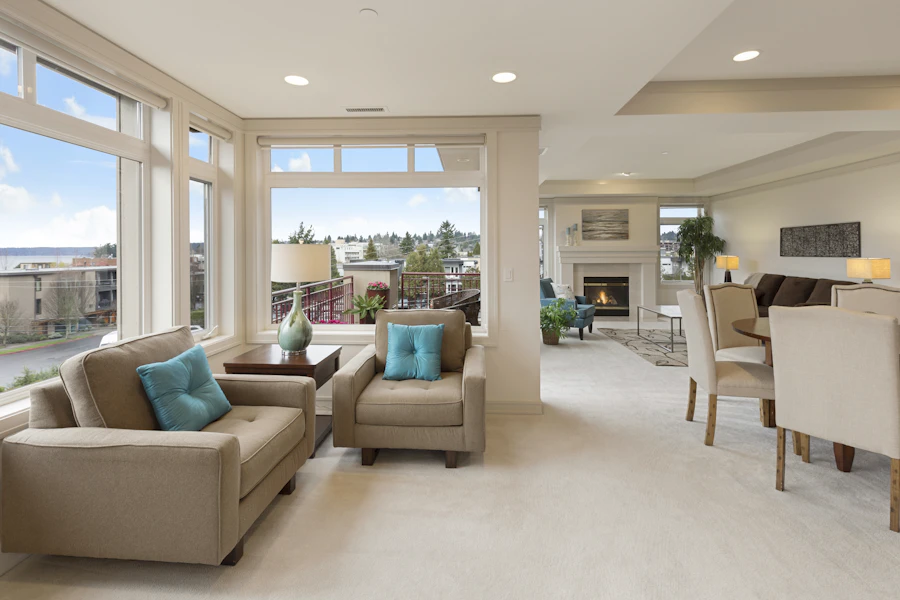
A rug that’s too small is one of the most common — and most visually damaging — mistakes in a small living room. A tiny rug beneath a large sofa looks disconnected and makes the room feel smaller, not larger.
The fix: choose a rug large enough that the front legs of all main seating pieces sit on it. In a small living room, this is almost always a larger rug than feels intuitive. When in doubt, go bigger.
02. Pushing All Furniture Against the Walls
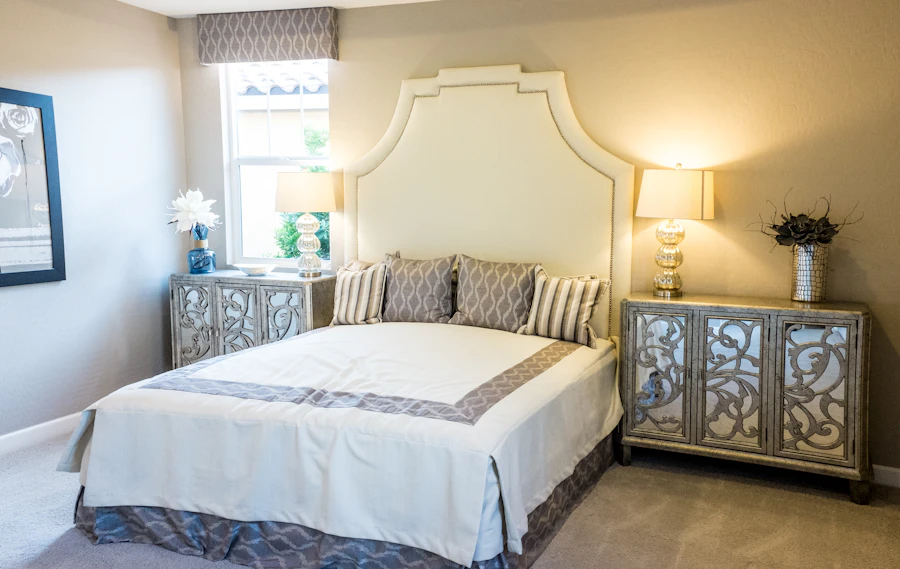
The instinct to push everything against the walls to maximise floor space actually makes a small living room feel worse — it creates a hollow, waiting-room quality where furniture lines the perimeter and the centre feels empty and purposeless.
The fix: pull the sofa slightly away from the wall (even 10–15cm makes a difference) and arrange seating pieces to face each other. This creates a conversation zone that makes the room feel used and intentional.
03. Using Too Many Different Colours
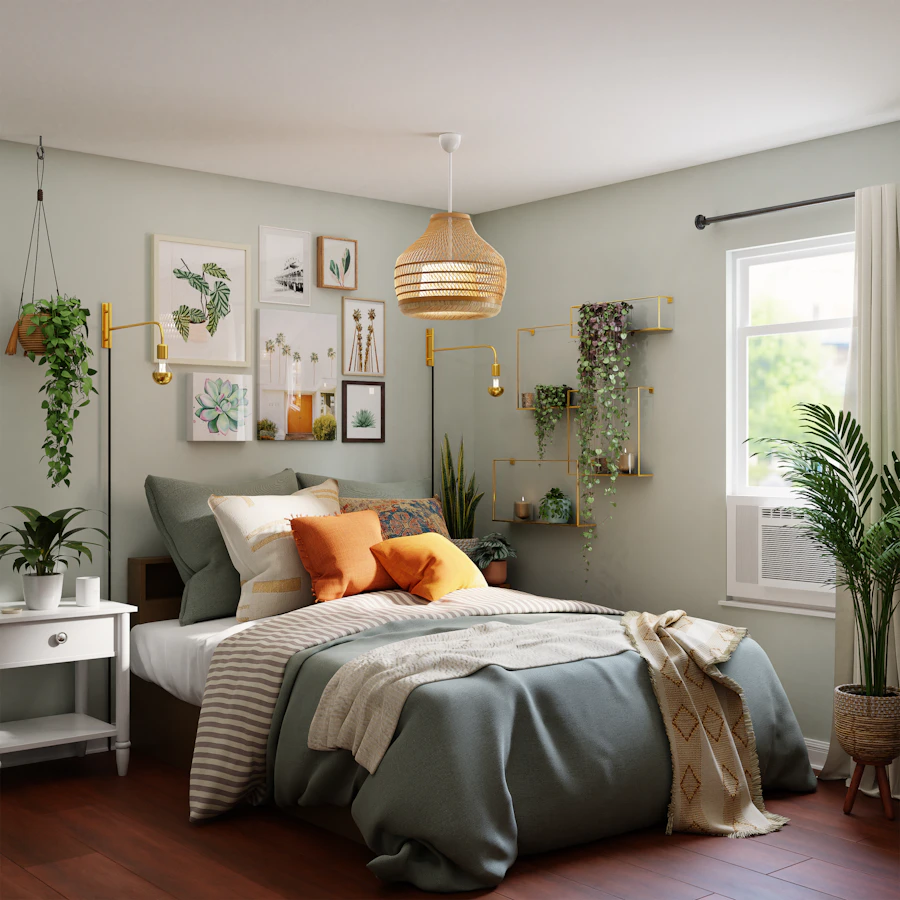
Multiple competing colours create visual noise that makes a small room feel chaotic and smaller. When every cushion, throw, and accessory is a different colour, the eye has nowhere to rest.
The fix: commit to a palette of two or three tones — a dominant neutral, a secondary tone, and one accent colour. Repeat these consistently throughout the room in furniture, soft furnishings, and accessories.
04. Blocking Natural Light
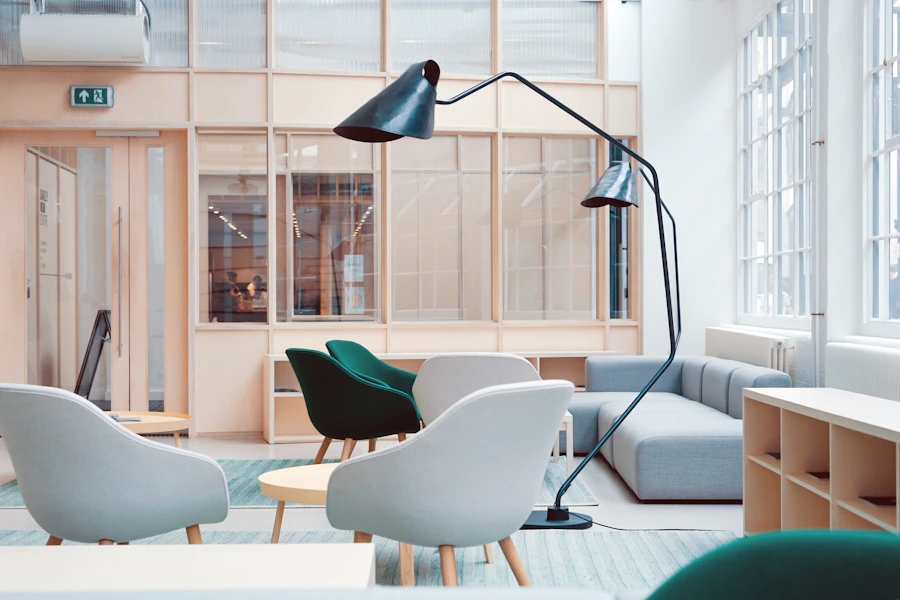
Heavy curtains, furniture placed in front of windows, or dark window treatments that absorb rather than diffuse light will make a small living room feel dark and cave-like regardless of how well everything else is decorated.
The fix: hang curtains high and wide, use sheer or light-filtering fabrics, and avoid placing any furniture directly in front of a window. Natural light is the most powerful space-expanding tool available.
05. Choosing Oversized Furniture
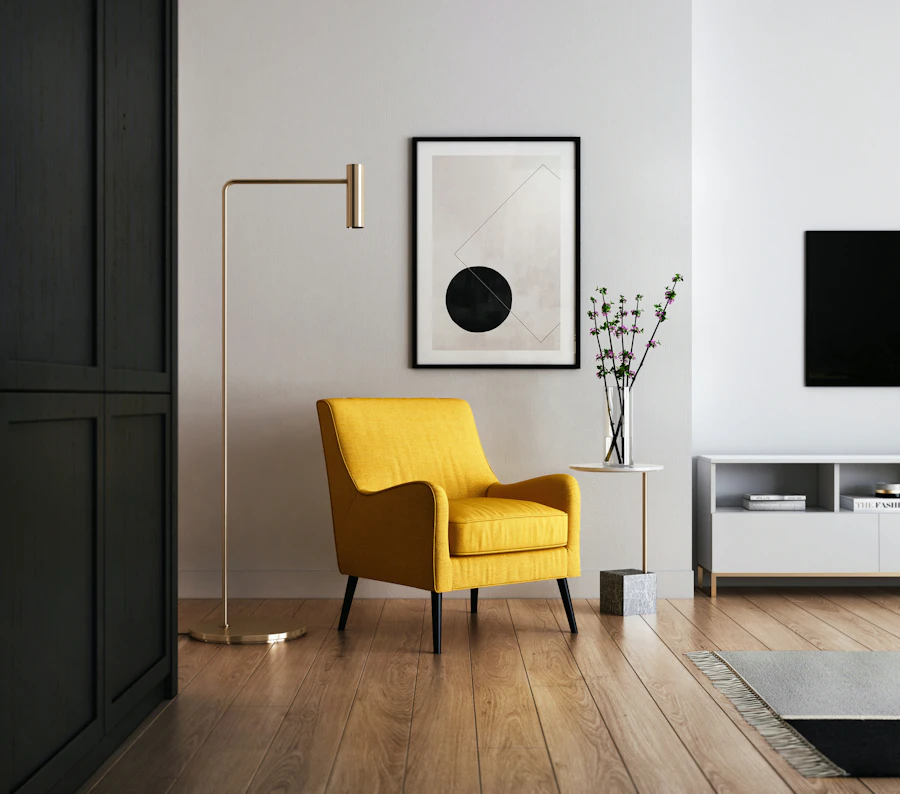
A large sectional sofa that seats eight is wonderful in a spacious family room but overwhelming in a small apartment living room. Oversized furniture leaves inadequate walking clearance, blocks sightlines, and makes the room feel crowded before a single accessory is added.
The fix: measure your room before buying any furniture, and check the dimensions carefully. In a small living room, a loveseat plus one or two accent chairs will almost always serve better than a large sectional.
06. Using Only One Central Light Source
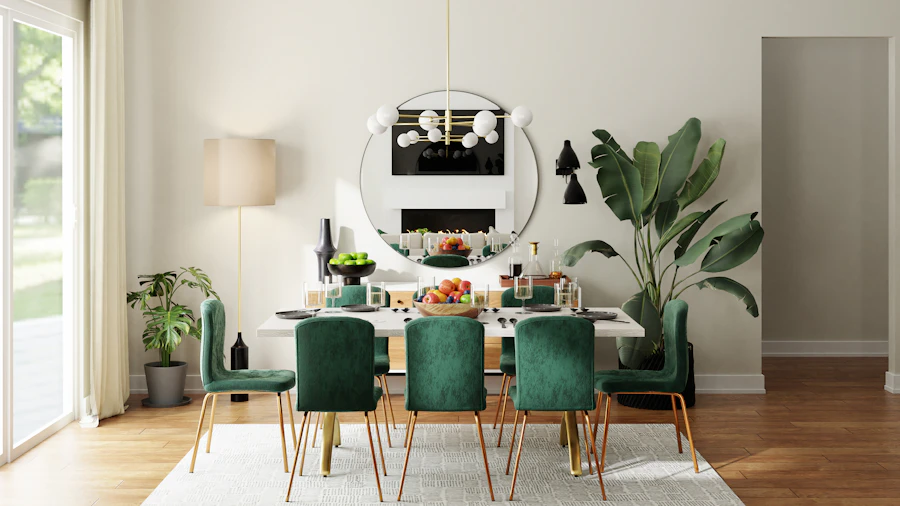
Relying solely on a central overhead light flattens a room, eliminates shadows, and creates an unflattering, clinical atmosphere. In a small living room, this makes the space feel like a waiting room rather than a home.
The fix: add at least two secondary light sources — a floor lamp and a table lamp — and use a dimmer switch on the overhead light. Warm-toned bulbs throughout create a cohesive, inviting atmosphere.
07. Overcrowding Surfaces with Accessories
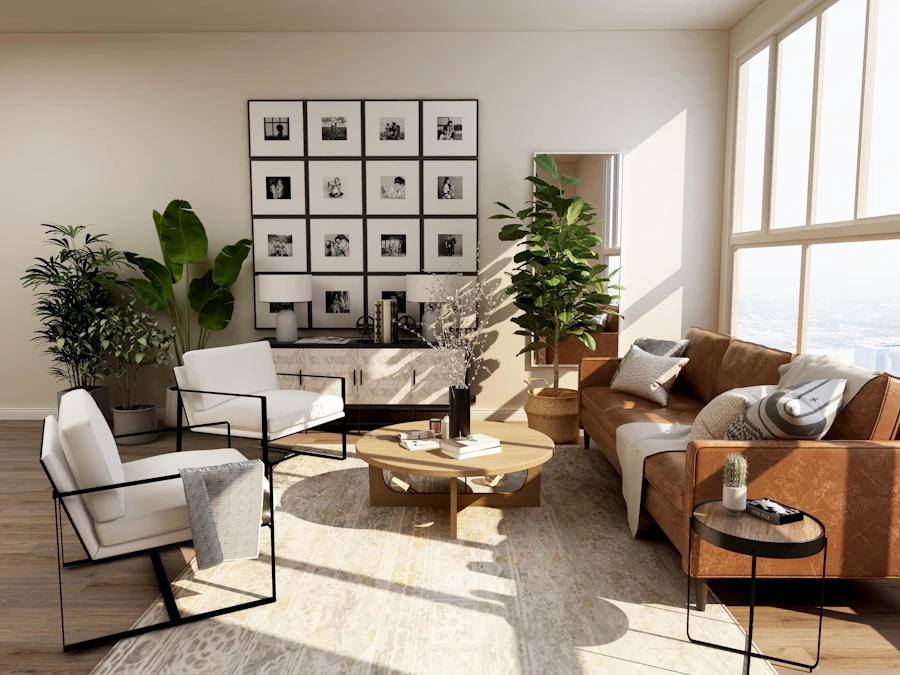
A coffee table, shelves, and sideboards covered in knick-knacks, remote controls, magazines, and assorted objects make a small living room feel chaotic and cramped. Clutter is the enemy of spaciousness.
The fix: edit every surface ruthlessly. Keep only objects that are beautiful, functional, or meaningful — and ideally all three. A coffee table with three curated objects and a small plant looks more stylish and more spacious than one covered with twelve items.
08. Hanging Art Too High on the Wall
Art hung too high on the wall is an extremely common mistake — it disconnects the artwork from the furniture below and makes the room feel strangely proportioned.
The fix: hang art so the centre of the piece is at eye level — approximately 145–150cm from the floor. When hanging art above a sofa, the bottom of the frame should be 20–25cm above the top of the sofa back.
09. Ignoring Vertical Space
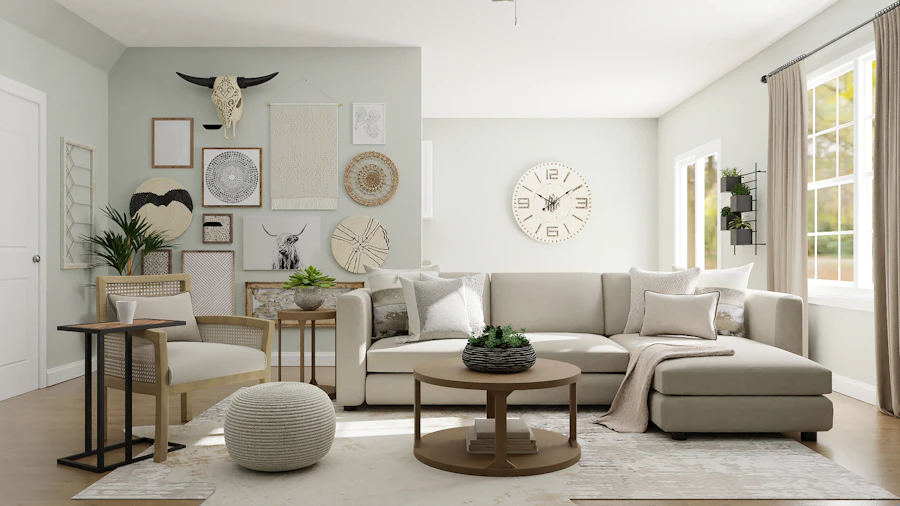
In a small living room, the floor area is precious and limited — but the walls go all the way to the ceiling. Failing to use vertical space means leaving your most abundant storage and decorative real estate completely untapped.
The fix: install floor-to-ceiling shelving, hang curtains from ceiling height, and use tall plants in corners. These vertical elements draw the eye upward and make the room feel taller and more spacious.
10. Mixing Too Many Furniture Styles
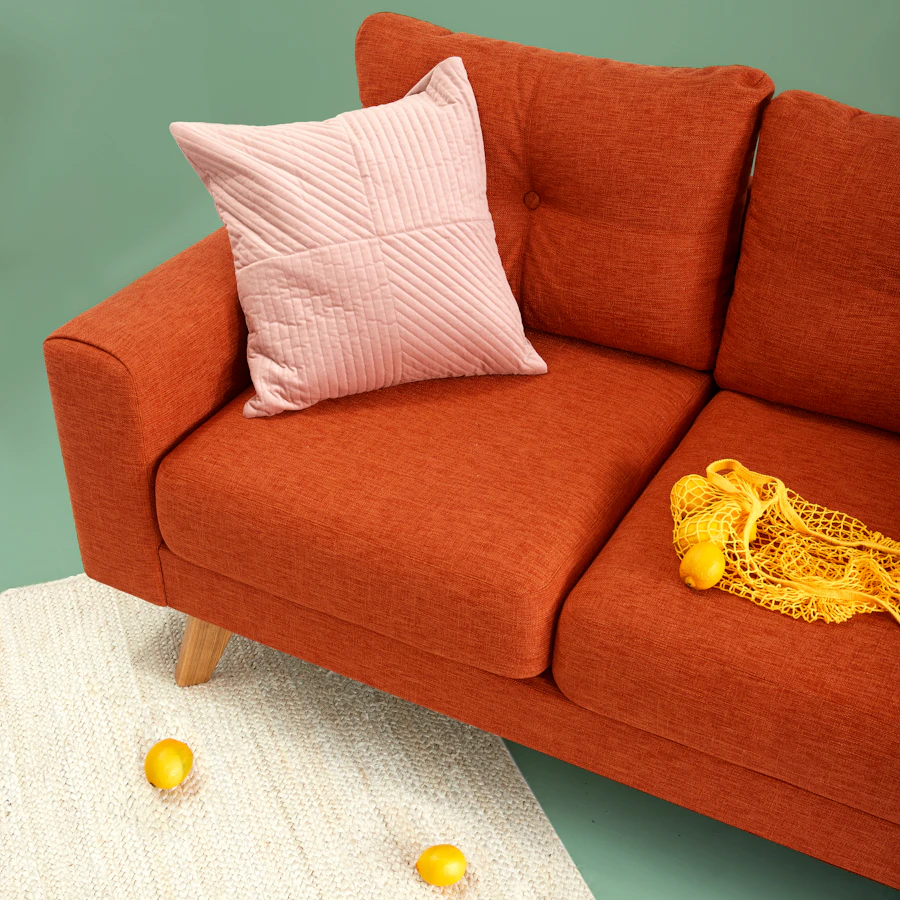
A Chesterfield sofa beside a Scandi coffee table next to a mid-century media unit creates a visual cacophony that makes a small room feel confused and restless. Too many competing furniture styles remove any sense of cohesion.
The fix: choose a dominant style and allow pieces from one adjacent style. For example, Japandi and mid-century modern complement each other beautifully. Let one aesthetic lead and use others sparingly as accents.
11. Neglecting the Floor with No Rug
A living room with bare floors and no rug lacks warmth, acoustic comfort, and a sense of grounding. The seating area feels unanchored and the room reads as unfinished, regardless of how good the furniture is.
The fix: add a generous area rug that extends beneath all the main seating pieces. A rug defines the zone, adds warmth and texture, and makes the overall room feel more complete and intentional.
12. Buying Furniture Before Measuring

Buying furniture based on how it looks in a showroom — without measuring your own room first — is perhaps the single most expensive and avoidable decorating mistake. A sofa that looks perfect in a large showroom can make a small apartment living room impassable.
The fix: always measure your room, draw a floor plan to scale, and confirm the footprint of any furniture you’re considering before purchase. Check not just if it fits, but whether adequate walking clearance remains on all sides.
Small Rooms, Smart Choices
Every mistake on this list is fixable — most without spending a significant amount of money. Rearranging furniture, editing surfaces, adding a rug, and improving your lighting can transform a small living room in an afternoon.
The goal isn’t perfection — it’s intentionality. A small living room that reflects careful, considered decisions will always feel better than a large one that doesn’t.