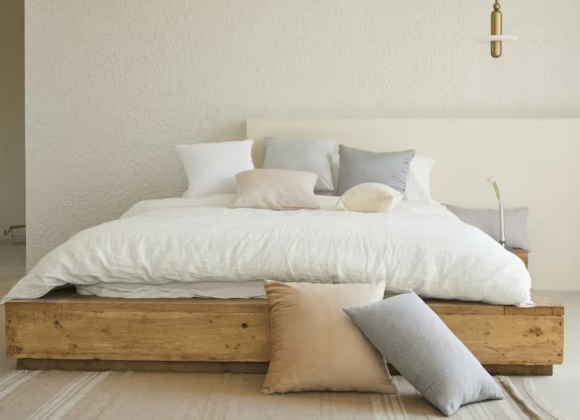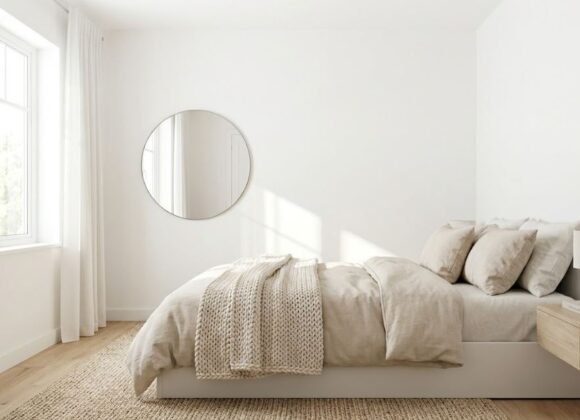
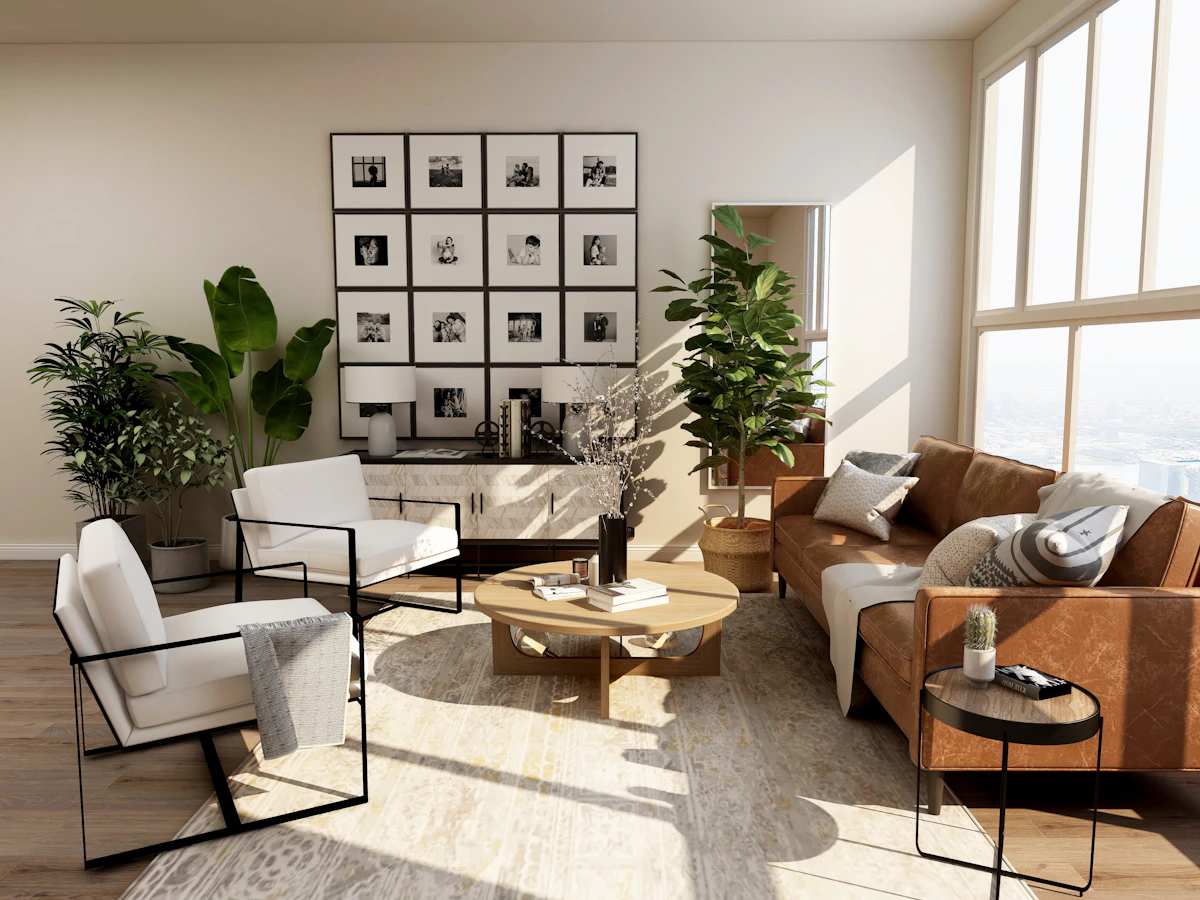
The difference between an expensive-looking home and a budget one is rarely about the money spent — it’s about the choices made. Luxury interiors follow a set of identifiable design principles that can be replicated on almost any budget.
These 12 budget decorating ideas focus on the specific choices that create a high-end aesthetic. Each one delivers maximum visual impact for minimum cost — the kind of investment that transforms a home without requiring a significant financial outlay.
01. Commit to a Cohesive Colour Palette
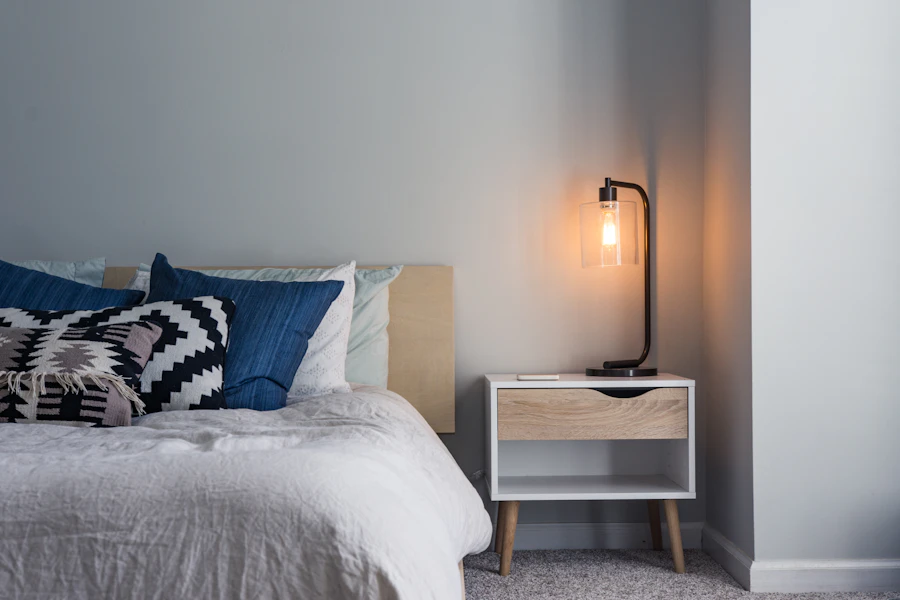
Nothing communicates thoughtful design more immediately than a cohesive colour palette. High-end interiors almost always work within a carefully chosen palette of two or three complementary tones. Budget interiors often mix too many colours or defaults to whatever items are available.
Choose your palette — perhaps a warm white, a mid-tone warm grey, and one earthy accent colour — and apply it consistently across walls, furniture, textiles, and accessories. This discipline costs nothing and creates an immediate impression of intentional design.
02. Upgrade to Linen or Cotton Curtains
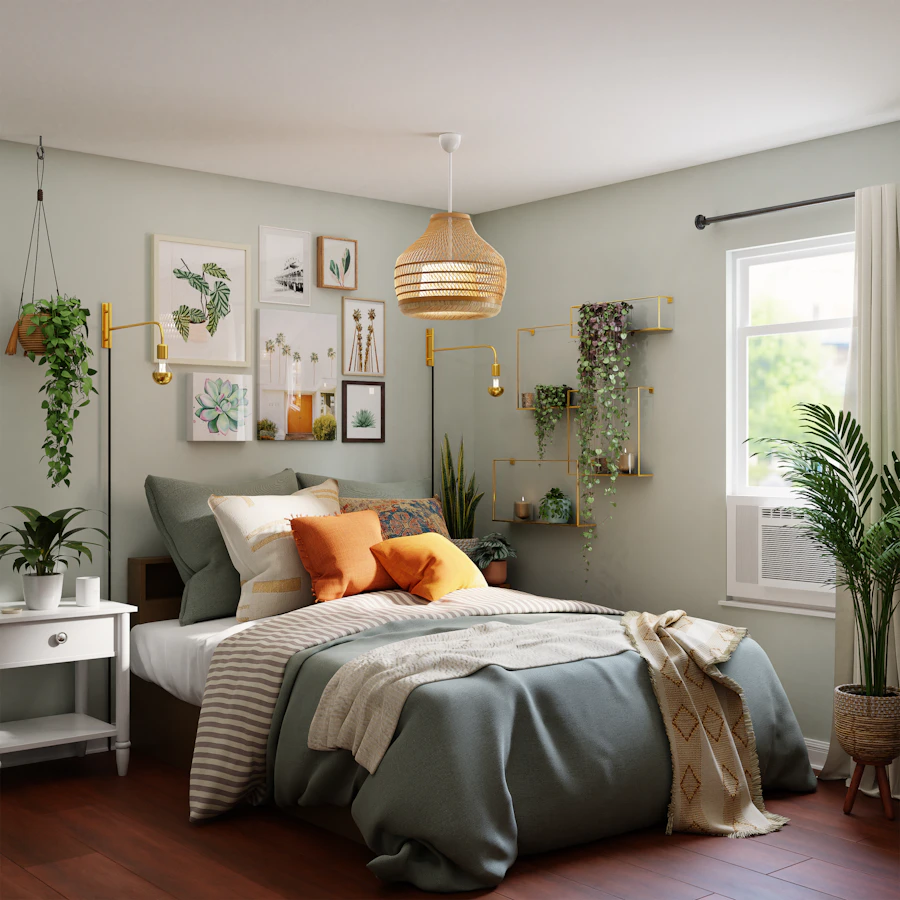
Curtains are one of the most visible soft furnishings in a room, and the fabric quality shows immediately. Cheap synthetic curtains signal budget almost instantly, while linen or cotton curtains in a simple design look genuinely expensive.
Hang them floor-to-ceiling and wall-to-wall (wider than the window) for maximum effect. Affordable linen-look curtains are available from IKEA, H&M Home, and online retailers for a fraction of the cost of made-to-measure options.
03. Replace Hardware Across the Home

Replacing builder-grade hardware — door handles, drawer knobs, cabinet pulls, light switch plates — with brushed brass, matte black, or satin nickel alternatives is one of the most cost-effective luxury upgrades available. Individual pieces cost £3–£15, but their cumulative effect is significant.
This is one of the changes that interior designers recommend most consistently on budget renovations. Hardware is touched and noticed constantly — good hardware signals quality throughout the home.
04. Invest in One Quality Anchor Piece per Room
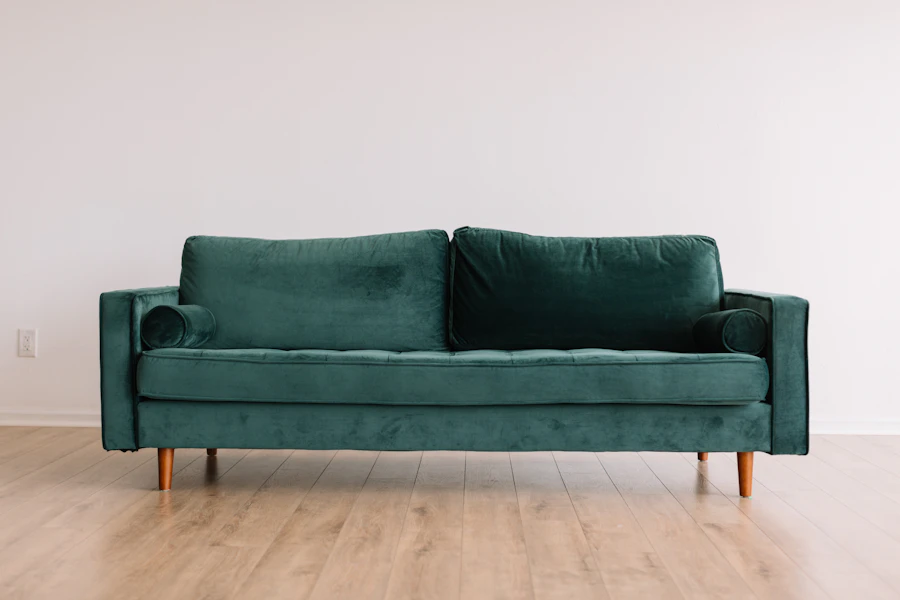
Rather than buying everything cheaply, identify the one most visible, most-used piece in each room and spend more on it. In a living room, this is usually the sofa. In a bedroom, the bed frame or headboard. In a dining room, the table.
A quality anchor piece elevates everything around it and justifies more affordable supporting pieces. Visitors will remember the beautiful sofa, not that the side table was from a discount retailer.
05. Use Paint to Add Architectural Detail

Paint can simulate architectural features that traditionally require expensive installation. Painted ‘picture rail’ lines using painter’s tape, faux panelling with MDF battens and paint, or a two-tone wall with a painted dado rail all create architectural interest at a fraction of genuine moulding costs.
These techniques are within the reach of any competent DIYer with a weekend and a tin of paint. The result looks significantly more considered than plain painted walls.
06. Declutter and Edit Relentlessly
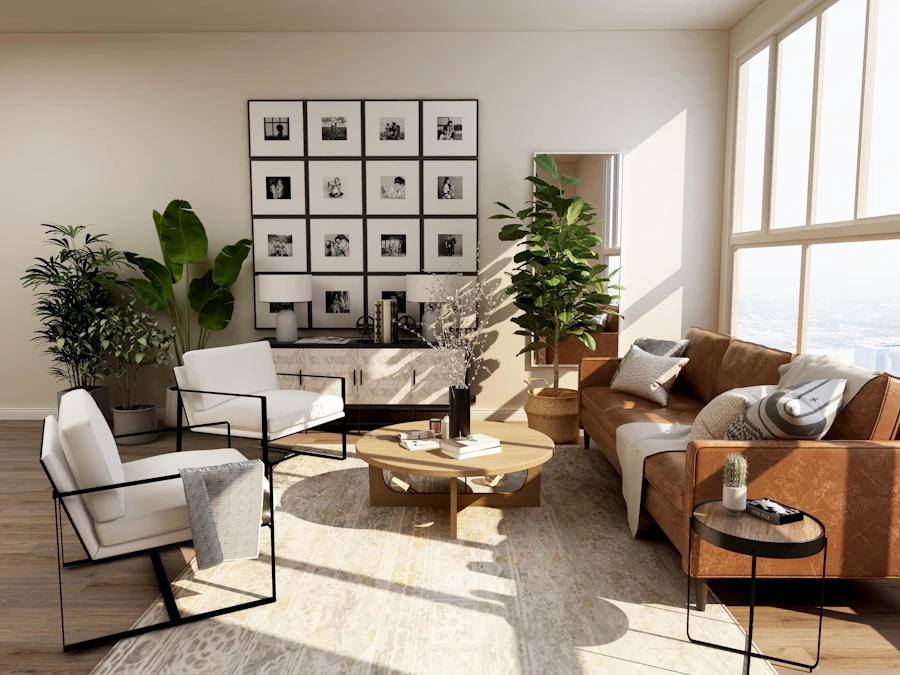
Expensive-looking interiors consistently have fewer visible objects than budget ones. The difference between a cluttered budget room and an elevated one is often subtraction rather than addition — removing items, clearing surfaces, and allowing breathing room between objects.
Before buying anything new, remove items you don’t love or use. The resulting clarity often reveals a room that looks significantly more polished than it did fully furnished.
07. Layer Rugs for Texture and Depth
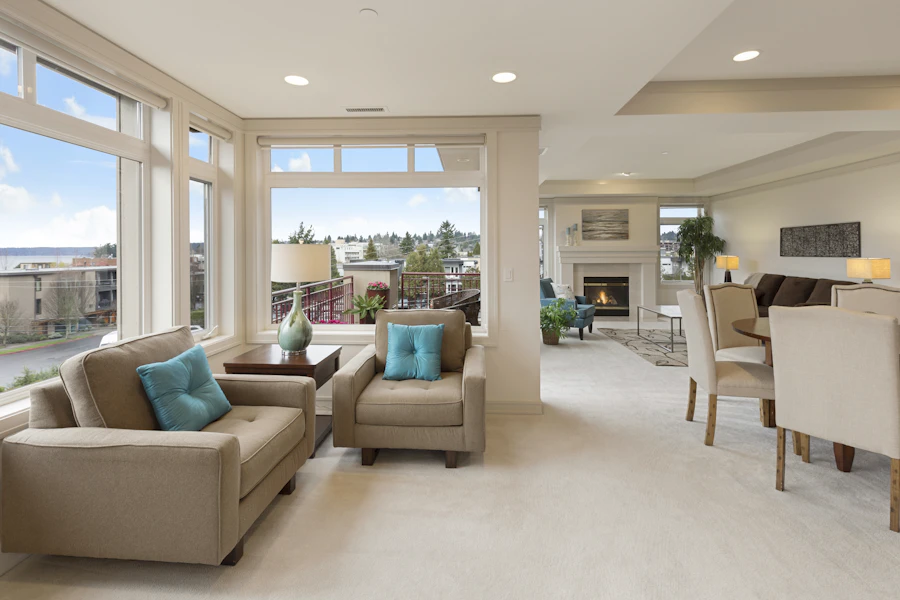
Layering a smaller textured or patterned rug on top of a larger neutral base rug is a styling trick used consistently in high-end interior photography. It adds depth, texture, and interest to a floor for very little cost.
A large jute or sisal rug as a base (inexpensive) with a smaller vintage-style or patterned rug on top creates a look that suggests a carefully curated, well-travelled aesthetic.
08. Thrift and Upcycle Furniture
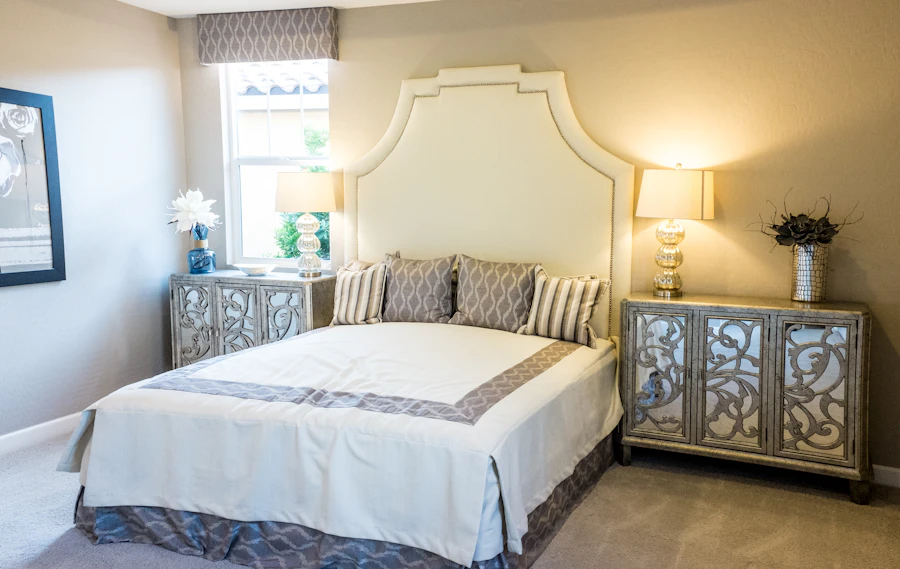
Charity shops, Facebook Marketplace, and car boot sales are consistently the source of the most characterful furniture in well-designed homes. A solid wood chest of drawers, a heavy oak coffee table, or a vintage side chair — sanded, painted, or reupholstered — will always look more interesting than new flat-pack alternatives.
The key is choosing pieces with good bones — solid construction, interesting proportions — that can be improved with surface treatment.
09. Add Indoor Plants in Ceramic or Terracotta Pots
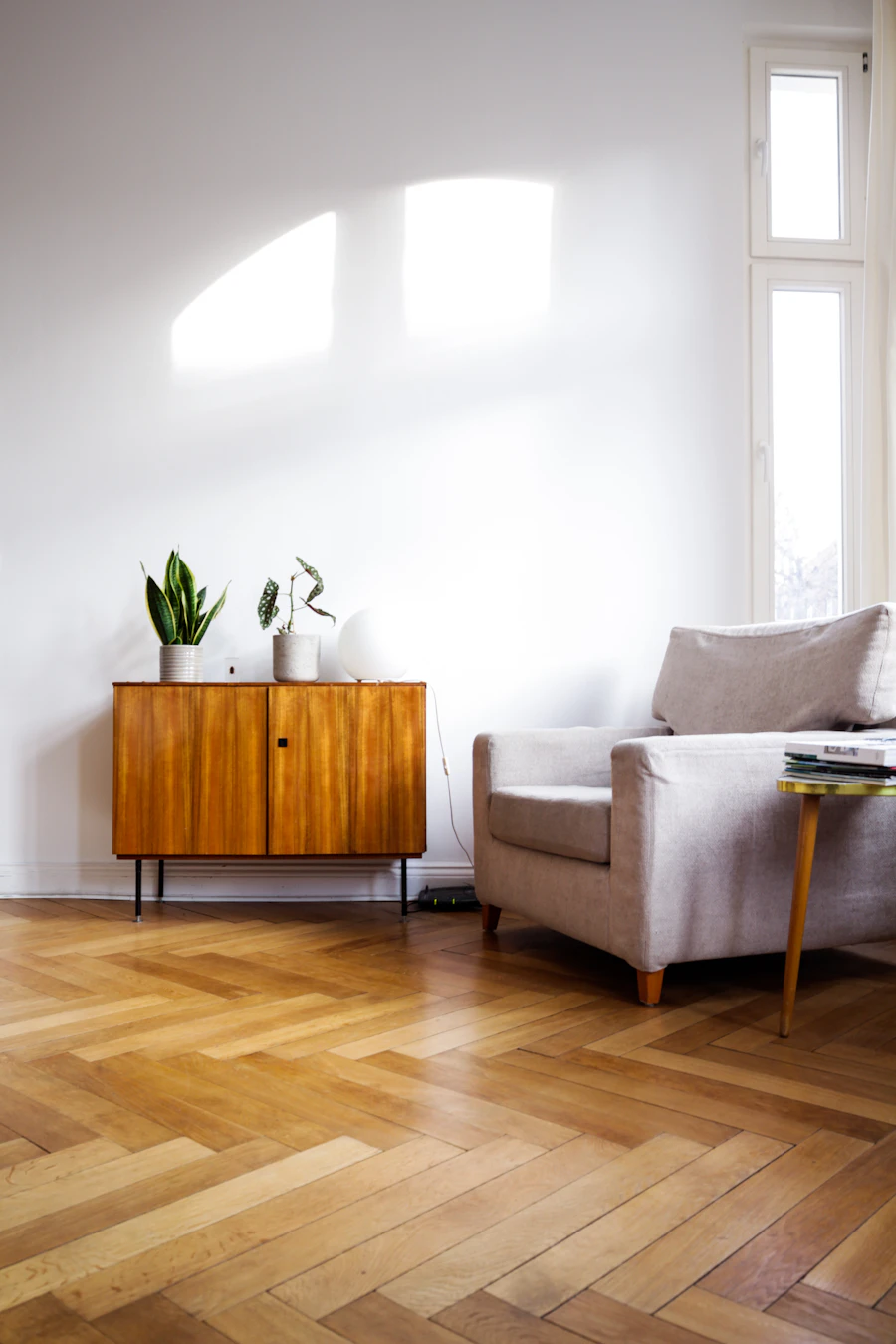
Plants are one of the highest return-on-investment decor purchases available. A few well-chosen plants in simple ceramic or terracotta pots add life, colour, and organic warmth that no amount of manufactured accessories can replicate — for very little cost.
A consistent pot aesthetic — all terracotta, or all white ceramic — creates a curated look. Avoid mixing too many different pot styles, which creates visual noise.
10. Frame Affordable or Free Art
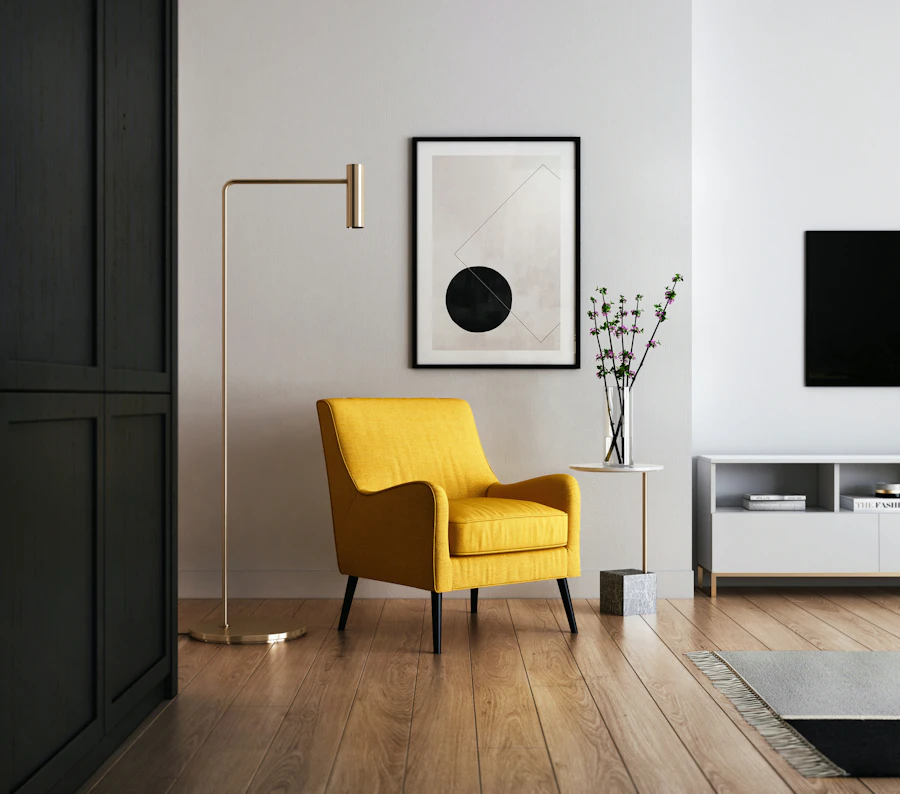
Beautiful wall art doesn’t require gallery prices. Free downloadable prints (from numerous online sources), pages from an art book, vintage postcards, or maps of meaningful places — framed in simple, quality frames — create artwork that looks deliberately chosen.
The frame matters significantly. A £5 print in a £25 quality frame will always look better than a £50 print in a cheap frame. Invest in the frame; the art can be almost anything.
11. Use Candles and Diffusers for Atmosphere
Scent and soft light from candles transform the atmosphere of a home in a way that no visual decor can fully replicate. The most welcoming, luxurious-feeling homes almost always smell wonderful and are lit warmly — two qualities available at any budget.
A few soy wax candles in the living areas and a quality reed diffuser in the entrance create a consistently pleasant sensory experience that guests notice immediately and remember.
12. Style in Odd Numbers and Vary Heights
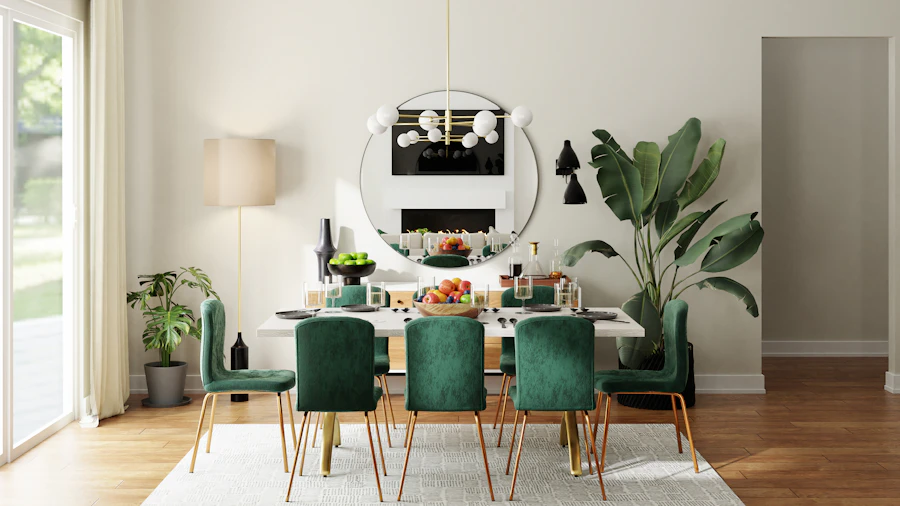
Professional stylists consistently group objects in odd numbers (3, 5, 7) and vary the heights within each grouping. This creates visual rhythm and interest that even groupings of equal-height objects simply don’t achieve.
On a shelf, side table, or mantelpiece: one tall object, one mid-height, one low — grouped in a triangle composition — will always look more considered and expensive than objects of the same height lined up in a row.
Luxury Is a Mindset, Not a Price Tag
The most beautiful homes are rarely the most expensive — they’re the most intentional. Every idea in this list costs less than a typical impulse decor purchase, yet each one creates a more lasting, sophisticated impression.
Apply these principles consistently and the cumulative effect will be a home that looks considered, confident, and genuinely high-end — regardless of what was spent to achieve it.