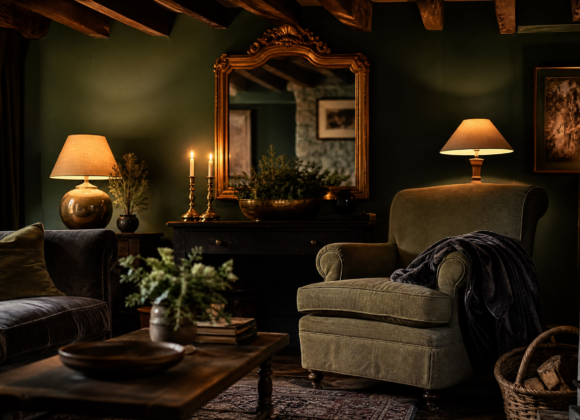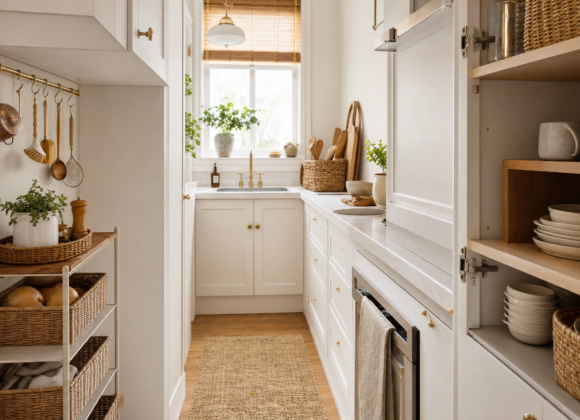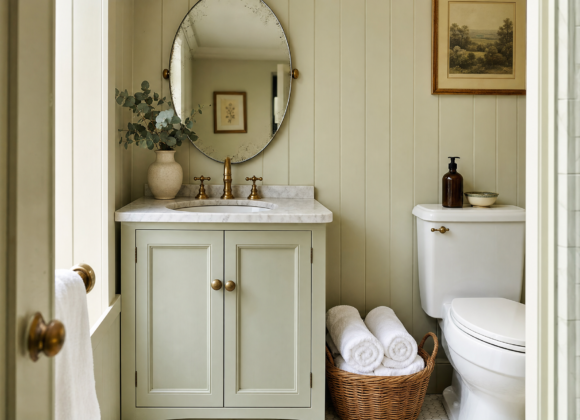

Earthy interior design is not a single style. It is an approach: choosing materials, colors, and textures that feel connected to the ground rather than manufactured.
Done well, it produces homes that feel genuinely calm. Done poorly, it produces rooms that look like they belong in a log cabin from 1987. The difference between those two outcomes is mostly about specificity. Here are 12 specific, actionable ways to achieve an earthy aesthetic without the cabin problem.
What Is Earthy Interior Design?
Earthy interior design prioritizes warm, muted color palettes (terracotta, warm brown, ochre, dusty sage, cream), natural and raw materials (wood, stone, clay, rattan, jute, linen, wool), organic textures, low visual noise, and a connection to nature through plants and natural light.
It overlaps with several named styles — Japandi, Wabi-sabi, Boho, Organic Modern — but earthy interior design is not identical to any of them. You can be earthy without being minimal, without being rustic, and without spending a fortune.
12 Ways to Create Earthy Interior Design
1. Paint One Wall in a Clay or Terracotta Tone

An accent wall in a dusty terracotta, warm clay, or muted rust is the fastest way to establish an earthy aesthetic. The key word is muted — look for shades described as “clay,” “adobe,” “dusty terracotta,” or “antique rose.” Pair it with warm white on the remaining walls.
2. Choose a Jute or Sisal Rug as Your Base Layer
Jute and sisal rugs are made from plant fibers, have an inherently earthy texture, and come in natural shades from pale straw to warm brown. They are also significantly cheaper than wool or synthetic rugs of comparable size — a 8×10 jute rug runs $80-150 at most retailers. Layering a smaller wool rug in terracotta or warm cream on top is a classic earthy styling technique.
3. Replace Synthetic Throw Pillows With Linen or Cotton
Most throw pillows sold at mainstream retailers are polyester. Swap them for linen or cotton covers in natural tones — cream, warm oatmeal, dusty terracotta, faded sage, or warm charcoal. These fabrics absorb light rather than reflecting it, which makes the colors read as deeper and more complex. You can keep the polyester inserts if you already have them — just change the covers.
4. Introduce Rattan or Wicker as a Texture Element

Contemporary rattan looks nothing like its 1980s predecessor. A rattan pendant light, woven rattan chair, or rattan side table brings earthy texture without adding visual weight. Rattan works best when paired with other natural materials — smooth wood, rough linen, or matte ceramic — to create contrast.
5. Use Raw or Handmade Ceramics as Accessories
Mass-produced ceramics have uniform shapes and smooth, even glazes. Handmade or artisan ceramics have irregular shapes, variations in glaze, and visual evidence of being made by a human. A slightly lopsided mug on a wooden shelf, a bowl with an uneven rim, a vase where the glaze pools thicker at the base — these things signal “natural” in a way that factory-perfect objects do not. Markets, Etsy, and thrift stores are the best places to find these.
6. Layer Warm Wood Tones Throughout the Space
Earthy interior design relies on warm-toned wood with visible grain: walnut, cherry, warm oak, pine, reclaimed timber. Avoid cool-toned or grey-washed wood, which fights earthy palettes. Warm wood does not have to be expensive — a second-hand solid oak dresser achieves the same earthy effect as a piece from a high-end furniture store.
7. Choose Matte Finishes Over Glossy Ones
Gloss reflects light sharply and reads as modern and synthetic. Matte absorbs light and reads as natural and tactile. This applies to paint (choose matte or eggshell), ceramic glazes, flooring (oiled or wax-finish wood over lacquered), and hardware (matte brass or bronze over polished chrome). A room with the same colors in matte versus gloss finishes will read very differently.
8. Add Stone in Small, Deliberate Ways
You do not need stone floors or a fireplace to introduce stone. Small accents — a raw chunk of quartz on a shelf, a slate coaster set, a marble tray, a river stone in a bowl — bring the weight and permanence of stone without renovation. Stone contrasts well with the softness of linen and wood; a smooth marble bowl next to a rough linen cushion makes both materials look better.
9. Get One Large Plant and One Smaller One
A large plant — fiddle leaf fig, monstera, bird of paradise, rubber plant — changes the scale of a room and makes it feel genuinely alive. Put it in a terracotta or ceramic pot (not a plastic nursery pot) and it becomes a design element. Supplement with one smaller plant elsewhere in the room. The repetition of living things in earthy containers creates a coherent earthy aesthetic.
10. Style With Found Natural Objects
Earthy interior design uses objects from nature as decoration: a piece of driftwood, a bundle of dried pampas grass, pine cones in a bowl, a large smooth stone used as a bookend, dried seed pods in a vase. These cost nothing or very little and have a material authenticity that no bought decorative object can match. The caveat: edit carefully. Three found objects used deliberately look considered. Fifteen look like a nature table at an elementary school.
11. Use Warm-Toned Lighting
Lighting temperature is measured in Kelvins. Warm light (2700K-3000K) reads as amber and incandescent — the color of firelight and afternoon sun. Cool light (4000K-5000K) reads as blue-white. Earthy interior design requires warm light. Cool-toned bulbs drain earth tones of their richness and make warm neutrals look grey and flat. Replace every bulb with 2700K warm white. The change is immediate and significant.
12. Keep Metallics to Warm Tones Only
Brass, bronze, copper, antique gold, and matte black are all compatible with earthy interior design. Chrome and polished nickel are not. Hardware is the easiest swap: drawer pulls, light switch plates, and door handles. These are inexpensive, installation takes minutes, and the visual impact is disproportionate to the effort.
What to Avoid in Earthy Interior Design
“Farmhouse” is not the same as earthy. Shiplap, mason jars, “gather” signs, and galvanized metal are farmhouse — a specific American rural aesthetic. Earthy interior design is broader, warmer, and more global in its influences.
Matching sets undermine the organic quality. Earthy rooms look like they accumulated over time, with pieces from different sources and eras. A perfectly matched three-piece living room set feels too coordinated for an earthy aesthetic.
Don’t confuse earthy with dark. Earthy rooms can be bright, airy spaces with warm white walls and light wood floors. The earthy quality comes from material choice, not from dark, heavy colors.
Where to Start If You’re Overwhelmed
Pick one room and make three changes: (1) Swap the lighting to 2700K warm bulbs. (2) Add one large plant in a terracotta or ceramic pot. (3) Replace two synthetic accessories with natural material equivalents. Those three changes cost under $100 in most cases and shift the room’s atmosphere meaningfully.
Key Takeaways
- Earthy interior design is defined by warm tones, natural materials, organic textures, and low visual noise
- Matte finishes almost always read as more earthy than glossy ones
- Warm-toned lighting (2700K) is non-negotiable — cool bulbs flatten earth tones
- Keep metallics warm: brass, bronze, and matte black, not chrome or polished nickel
- Start with three changes in one room: new bulbs, one large plant, two natural accessories
- Avoid farmhouse cliches, matching sets, and dark colors without enough light
Continue building your earthy home with our guides on natural elements interior design and earth tones interior design.