A disorganised entryway creates friction every single day — searching for keys, stepping over shoes, and leaving the house stressed before you’ve even reached the street. In a small space, that friction compounds quickly because there’s nowhere for the chaos to spread.
These 10 organisation ideas create systems that work in genuinely small entryways — solutions that keep everything accessible, visible, and in its place without requiring architectural changes or a large budget.
01. Assign Every Item a Dedicated Home
The foundation of any organised entryway is the principle of a dedicated home for every item: a specific hook for each person’s bag, a particular drawer for keys, a defined basket for shoes. When everything has a place, putting it away requires zero decision-making.
Audit what actually comes in through your door daily — keys, bags, coats, shoes, mail, headphones, umbrellas — and create a specific solution for each one. Organisation fails when items don’t have a home to return to.
02. Install a Wall-Mounted Key and Mail Organiser

A wall-mounted organiser that combines key hooks, a small shelf, and slots for mail is one of the most useful things you can add to a small entryway. It keeps frequently lost items visible and accessible without adding any floor footprint.
Choose a compact organiser with the specific hooks and compartments that match your daily items. Magnetic key hooks, small trays for lip balm or a transit card, and a clip for mail all serve real daily functions.
03. Use Over-Door Organisers on the Back of the Front Door
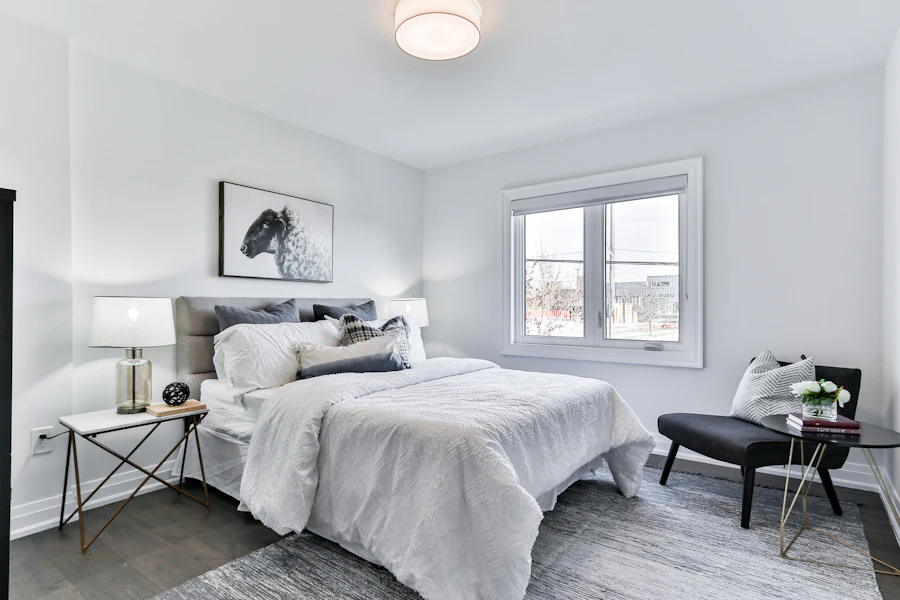
The back of the front door is prime, often-ignored storage real estate. An over-door organiser with pockets or hooks can hold umbrellas, reusable shopping bags, scarves, dog leads, and other items that would otherwise clutter the floor.
Over-door solutions require no screwing into walls — ideal for renters. Choose a slim profile that doesn’t prevent the door from opening and closing freely.
04. Create a Shoe System That Actually Works
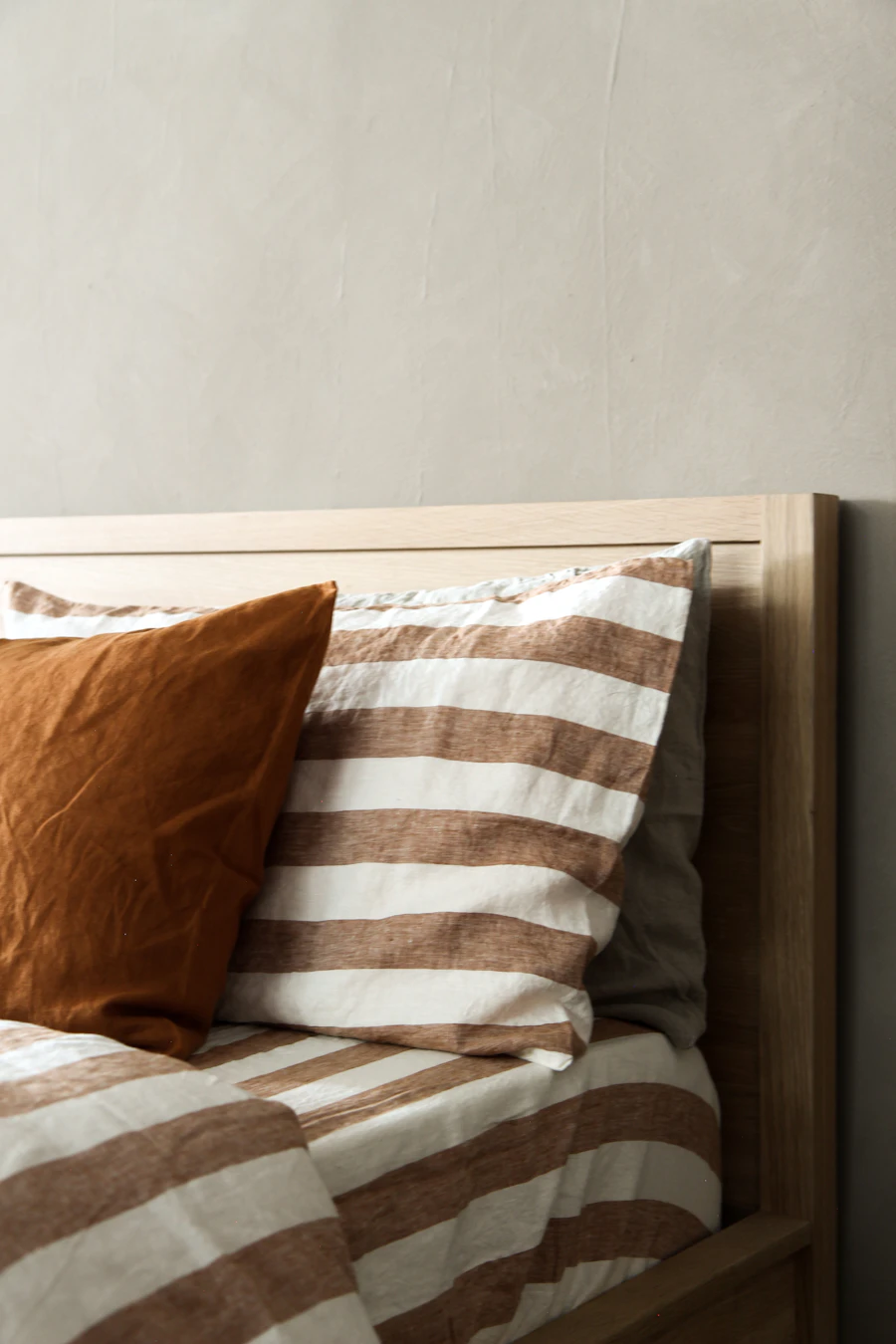
Shoes are the primary source of entryway clutter in most homes. A system that works must make it as easy to put shoes away as it is to kick them off. A slim shoe bench with internal storage, a vertical shoe rack on the wall, or a tiered shoe shelf near the door all provide structure without requiring much floor space.
Limit the entryway to the shoes worn most frequently — current season, daily pairs only. Seasonal and less-used shoes belong in a wardrobe, not the entrance.
05. Add a Small Tray to Corral Small Items
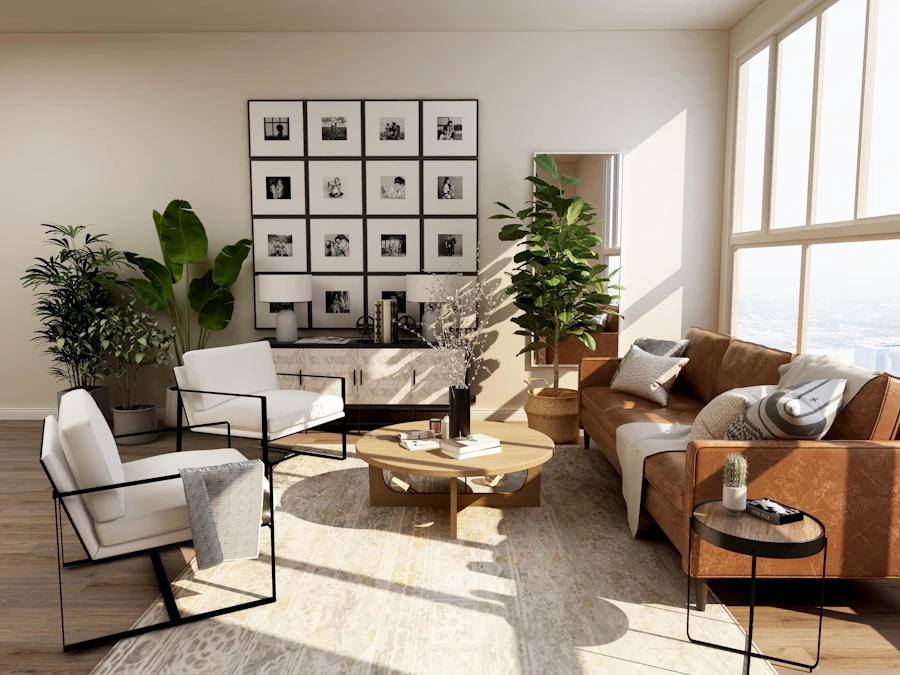
A small tray on the console table or floating shelf serves as a visual boundary for small daily items — keys, sunglasses, a transit card, headphones. When items are contained within a tray, they look curated rather than scattered.
Choose a tray in a material that complements the entryway — ceramic, marble, lacquered wood, or brass all work beautifully. Keep only daily-use items in the tray; anything else belongs in a drawer.
06. Hang a Pegboard for Flexible Entryway Storage
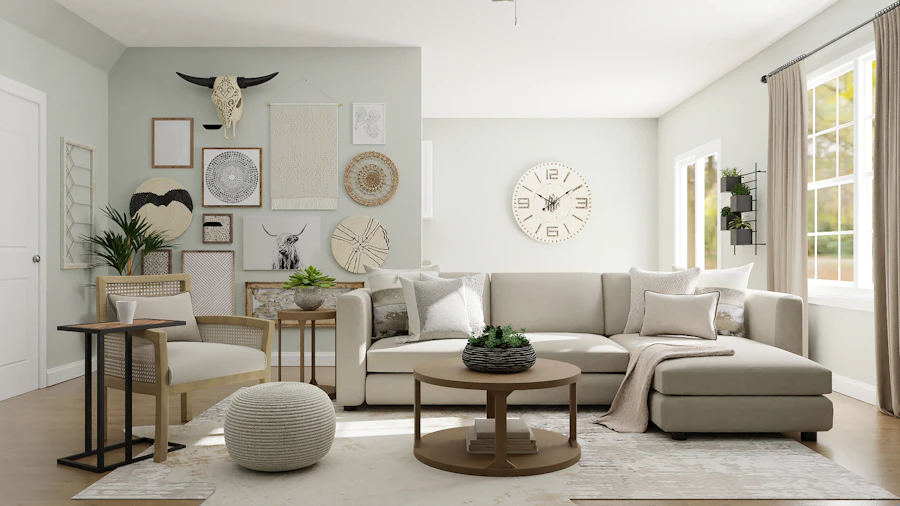
A pegboard mounted near the entrance provides infinitely flexible wall storage. Hooks, baskets, shelves, and clips can be rearranged at any time as your storage needs change — ideal for small apartments where requirements evolve.
Paint the pegboard the same colour as the wall for a seamless, intentional look, or use it as a contrast feature. A pegboard painted in a deep tone with brass hooks reads as genuinely stylish.
07. Use Stackable Bins or Baskets for Different Purposes
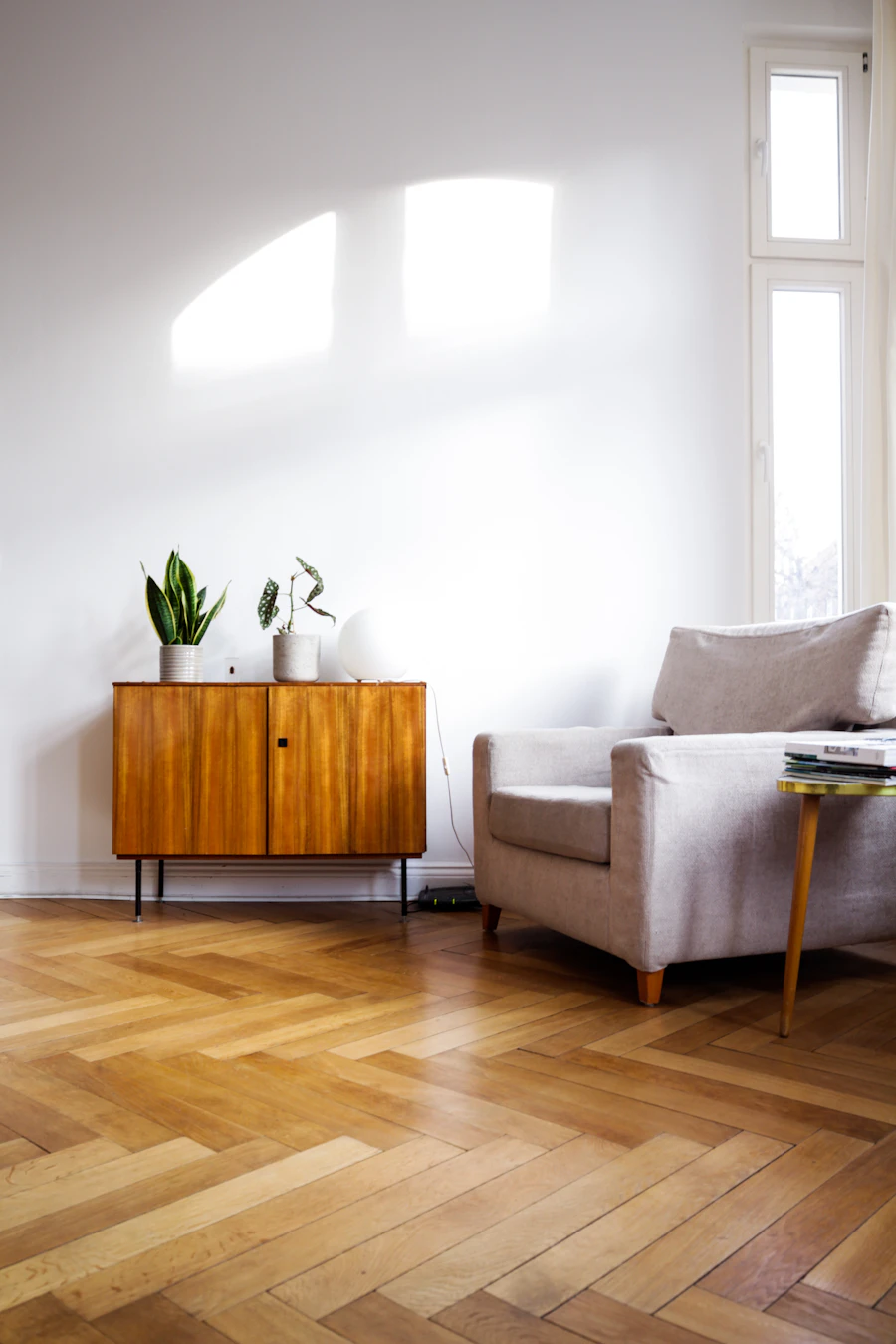
Stackable bins or baskets — one for each household member’s daily items, one for outgoing mail, one for dog walk supplies — create a clear system in the entryway without taking up much floor or shelf space.
Label each basket so that the system is self-explanatory and easy for everyone in the household to maintain. Woven or fabric baskets are soft enough to stack without scratching shelves.
08. Add a Charging Station for Devices
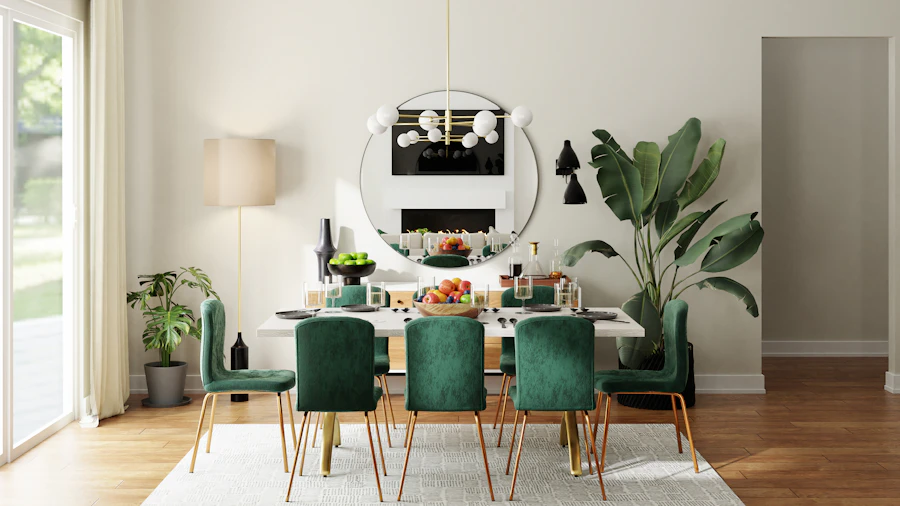
A designated charging spot in the entryway ensures devices are always charged when you leave and prevents cables from spreading throughout the apartment. A small multi-port USB charging station in a drawer or on the shelf keeps phones, earbuds, and other devices ready.
This also helps establish a healthy boundary between the entry area and the rest of the home — devices stay at the door, and the rest of the apartment stays device-free.
09. Implement a One-In-One-Out Rule for the Entryway
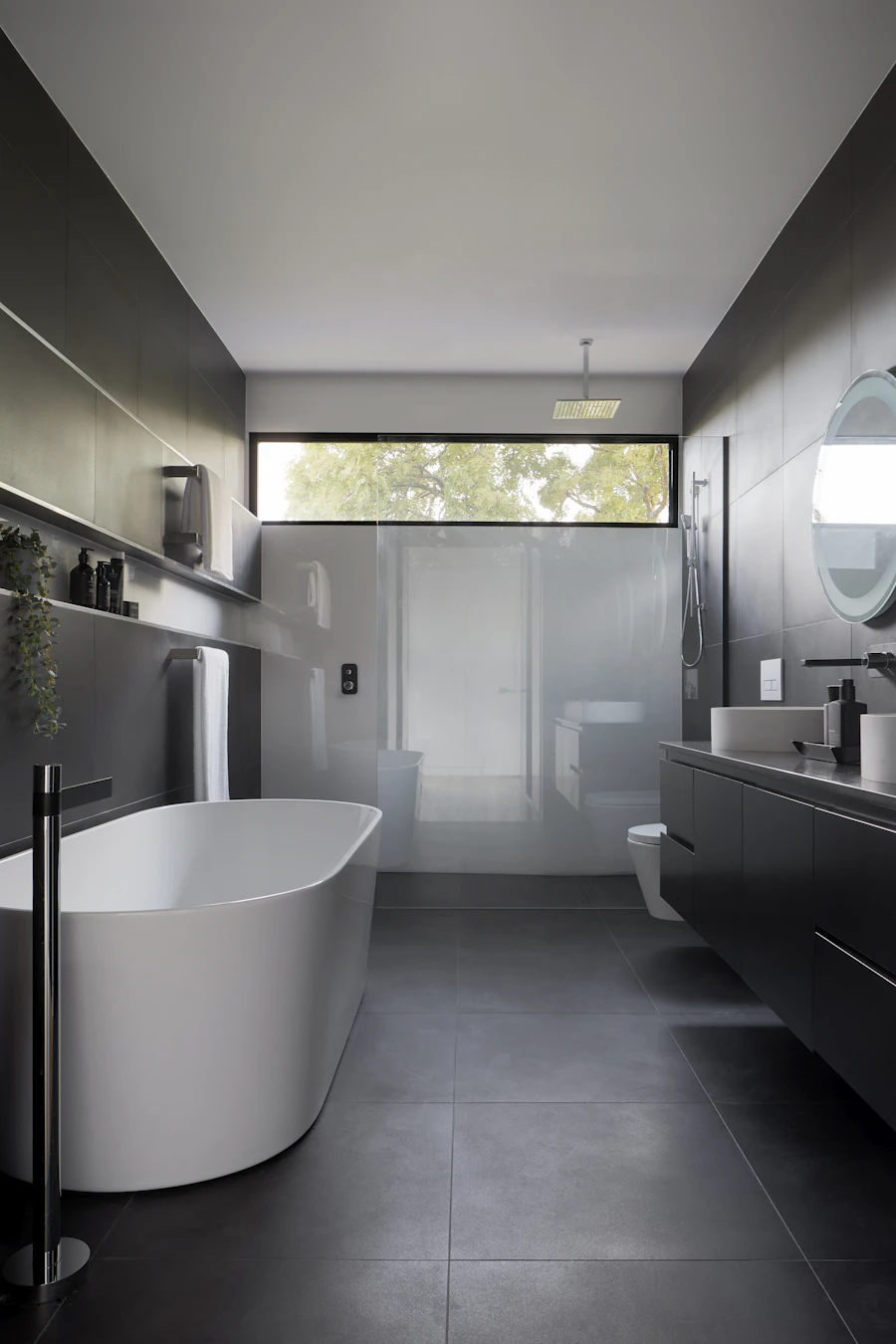
The most effective long-term entryway organisation strategy is the simplest one: for every new item that enters the entryway permanently (a new bag hook, an additional basket, a new pair of shoes), something else must leave.
In a small entryway, the storage capacity is genuinely limited. Respecting that limit — rather than trying to squeeze in one more item — is the discipline that keeps the space functional and calm over time.
10. Do a Weekly Entryway Reset

Even with excellent systems in place, entryways accumulate drift over the course of a week — items that were placed temporarily and never returned, items that belong elsewhere but ended up here. A weekly five-minute reset returns everything to its designated home.
This brief weekly habit prevents the slow accumulation that, left unaddressed, transforms a tidy entryway into a cluttered one within a matter of weeks.
Organisation Is a Daily Practice
An organised entryway isn’t a one-time project — it’s a daily habit supported by the right systems. The best systems are ones that require minimal effort to maintain, because the easiest path should always lead to putting things away rather than leaving them out.
Start by addressing your biggest daily pain point — usually keys, shoes, or bags — and build from there. One solved problem at a time leads to an entryway that works every single day.