Minimalism and small bedrooms are a natural match. The core principle of minimalism — keeping only what serves a genuine purpose or brings genuine joy — directly addresses the main challenge of a compact room: too much stuff in too little space. When you remove the excess, what remains is invariably better, calmer, and more beautiful.
These 12 minimalist decor ideas range from broad philosophical principles to specific design choices. Together, they form a complete guide to creating a small bedroom that embodies the serenity and spaciousness that minimalism at its best can achieve.
01. Commit to a Simple Two-Tone Colour Palette
A minimalist bedroom doesn’t require white walls — it requires a deliberate, limited colour palette. The most effective minimalist small bedrooms typically use just two tones: a dominant neutral (cream, warm white, soft grey, pale taupe) and a single grounding accent (natural wood, matte black, terracotta, or olive).
The discipline of a two-tone palette forces every purchase and every design decision through a filter: does this fit? If not, it doesn’t belong in the room. Over time, this constraint produces a space of remarkable visual coherence and calm — which is precisely what minimalism aims for.
02. Edit Furniture Down to Only the Essentials
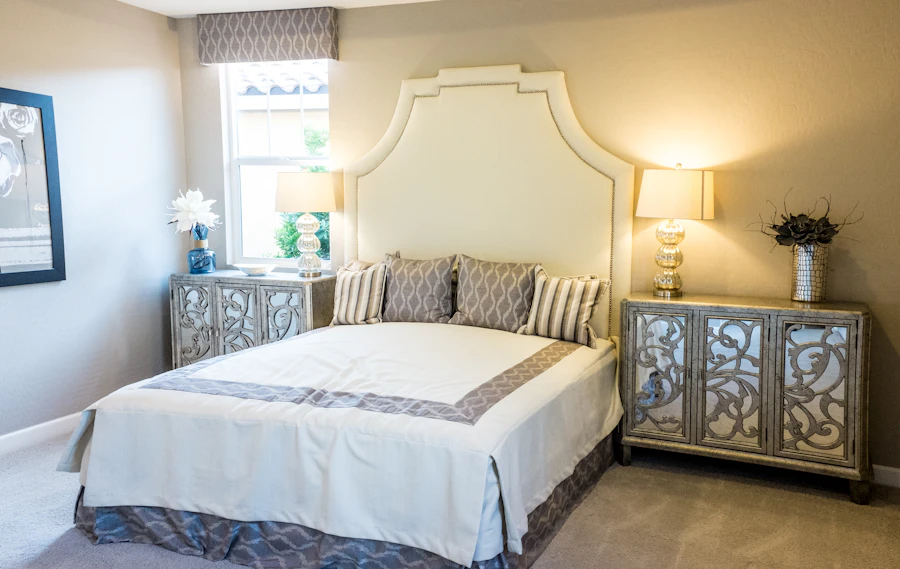
A minimalist small bedroom should contain the minimum number of furniture pieces necessary for comfort and function. For most people, this means: a bed, one or two bedside surfaces, and clothing storage. Everything beyond that — the decorative chair, the extra dresser, the ottoman at the foot of the bed — should be questioned rigorously.
This doesn’t mean the room should feel bare or uncomfortable. It means that every piece earns its place. A thoughtfully chosen, high-quality bed and a single beautiful lamp create far more of an impact than a room crowded with mediocre pieces, regardless of how small the room is.
03. Conceal Storage Behind Flush, Handle-Free Doors

Visible storage — open shelves, protruding drawer handles, freestanding units — is the enemy of the minimalist aesthetic. Instead, opt for built-in or freestanding wardrobes with flush, handle-free doors. When storage disappears visually, the room becomes a clean canvas of calm surfaces and open space.
Push-to-open mechanisms, recessed grip channels, or simple finger pulls are all low-profile alternatives to protruding handles. Painted in the same colour as the surrounding walls, a wardrobe with flush doors can almost disappear into the room, leaving only the architectural line where it meets the floor and ceiling.
04. Choose Only Clean-Line, Low-Profile Furniture
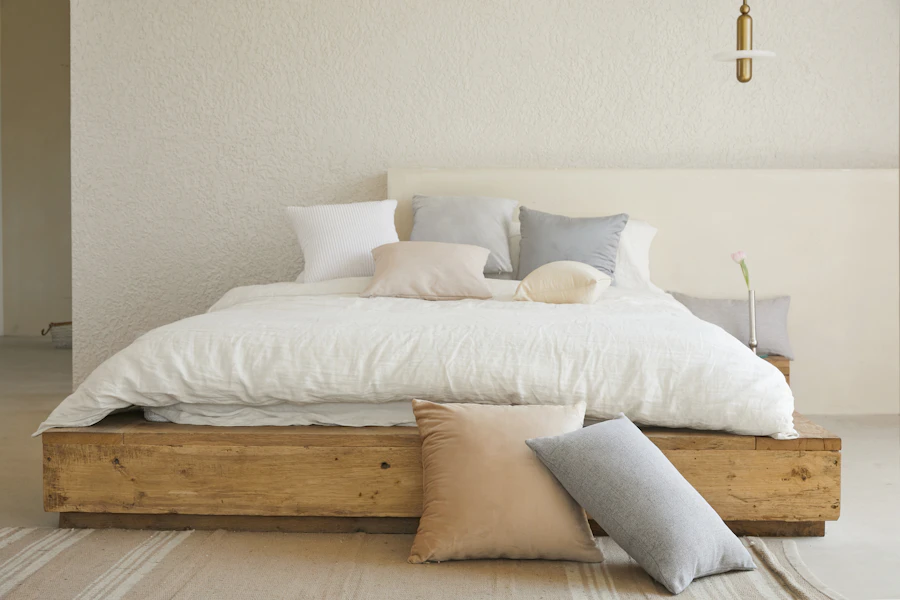
Ornate furniture — carved headboards, turned legs, decorative hardware — adds visual noise that works against the minimalist goal of simplicity and calm. In a small bedroom, this visual noise is amplified. Choose furniture with straight, clean lines, flat surfaces, and no unnecessary ornamentation.
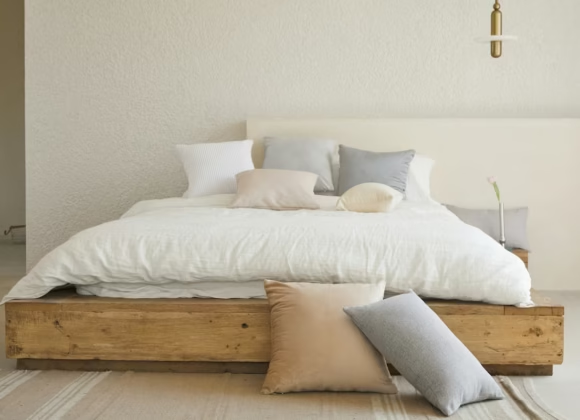
Scandinavian, Japanese, and contemporary furniture styles are natural allies of the minimalist aesthetic — they prioritise function, simplicity, and quality of material over decoration. A solid timber bed frame with a simple headboard, a plain linen duvet, and a single ceramic lamp is all you need.
05. Maintain Completely Bare Surfaces
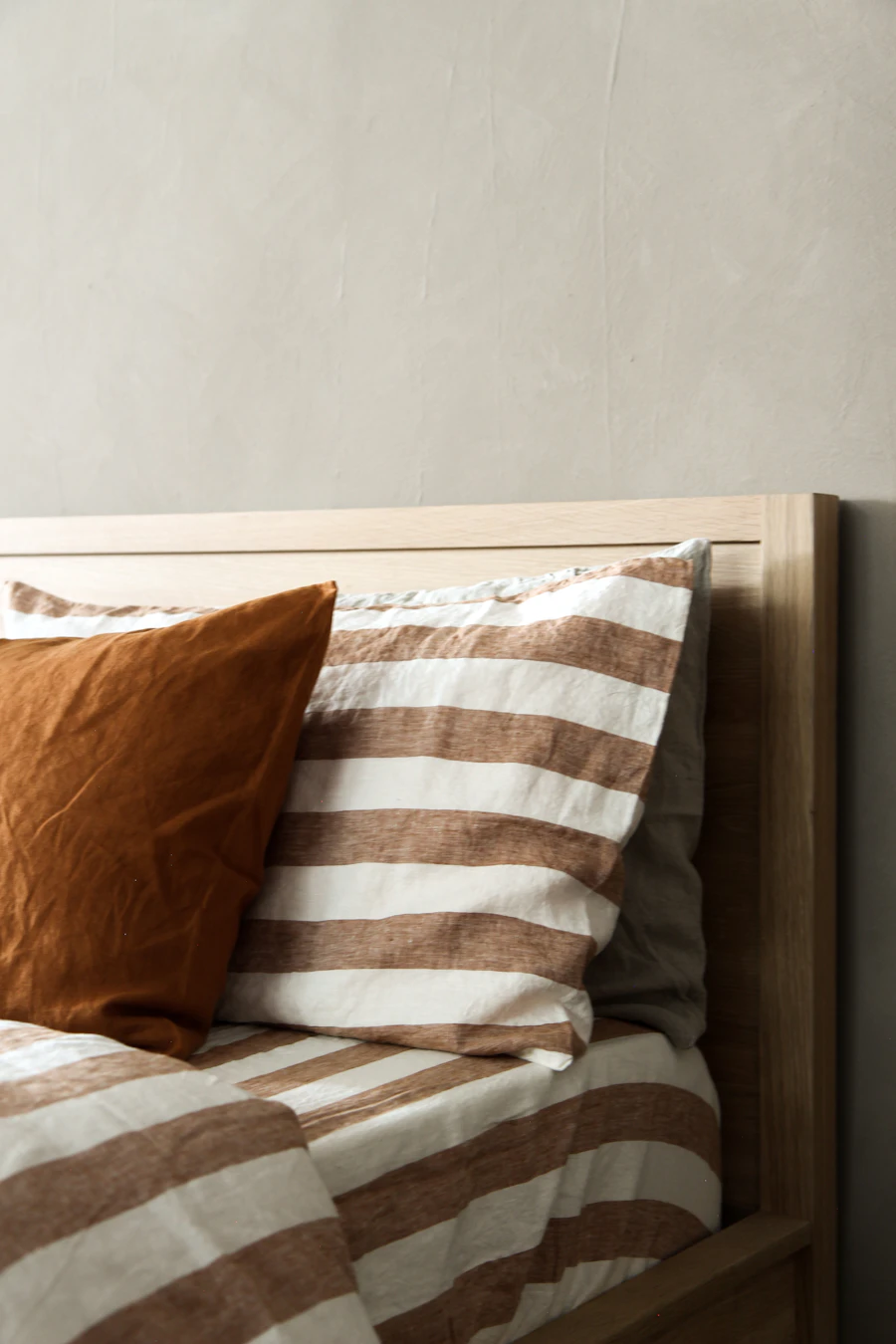
In a minimalist bedroom, surfaces should be intentionally empty. A bedside table with nothing on it — or just a single glass of water and a book — is a radical act of restraint that pays aesthetic dividends. The eye rests, the room breathes, and the space feels exponentially larger than its actual dimensions.
Achieving this requires adequate storage for the items that typically accumulate on surfaces: phones, chargers, books, glasses, water bottles, skincare. Design your storage with these items in mind so they each have a specific place to go — and make using that place as easy as dropping them on the nearest flat surface.
06. Choose One Intentional Decorative Object
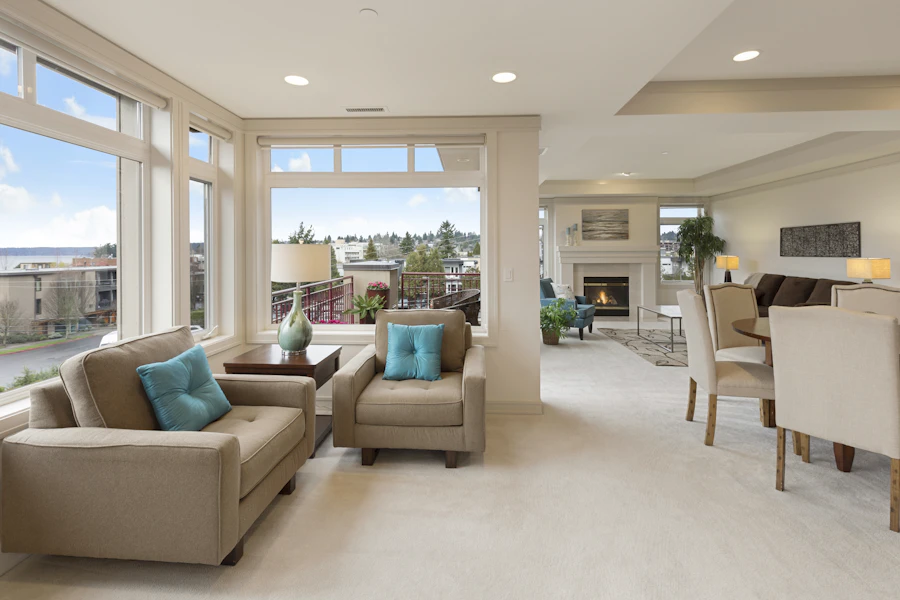
Minimalism doesn’t mean zero decoration — it means deliberate, considered decoration. One beautifully chosen object in a minimalist bedroom has infinitely more impact than a shelf crowded with ten items. A ceramic vase, a single sculptural candle, a small piece of art, or a stone object from a meaningful place can speak volumes in a calm, empty room.
Choose this object carefully — it should genuinely mean something or bring genuine aesthetic pleasure, not simply be present because there’s a surface to fill. When you love the one thing in a room, the room feels intentional and complete rather than sparse and unfinished.
07. Adopt the Japandi Aesthetic for Warm Minimalism
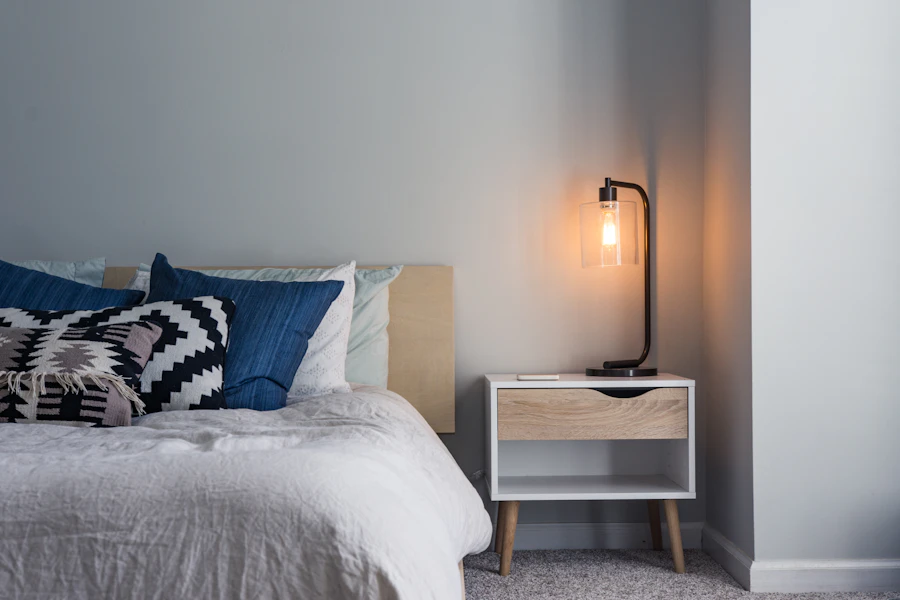
Japandi — the fusion of Japanese wabi-sabi philosophy and Scandinavian hygge — has become one of the most popular interior styles for small bedrooms because it solves minimalism’s main weakness: coldness. Pure minimalism can feel clinical; Japandi minimalism is warm, organic, and deeply human.
A Japandi small bedroom uses natural materials — raw timber, linen, ceramics, stone, bamboo — in a restrained palette of warm neutrals. The imperfection of handmade objects is celebrated rather than hidden. The room is minimal but never cold; serene but never lifeless.
08. Layer Texture Rather Than Colour
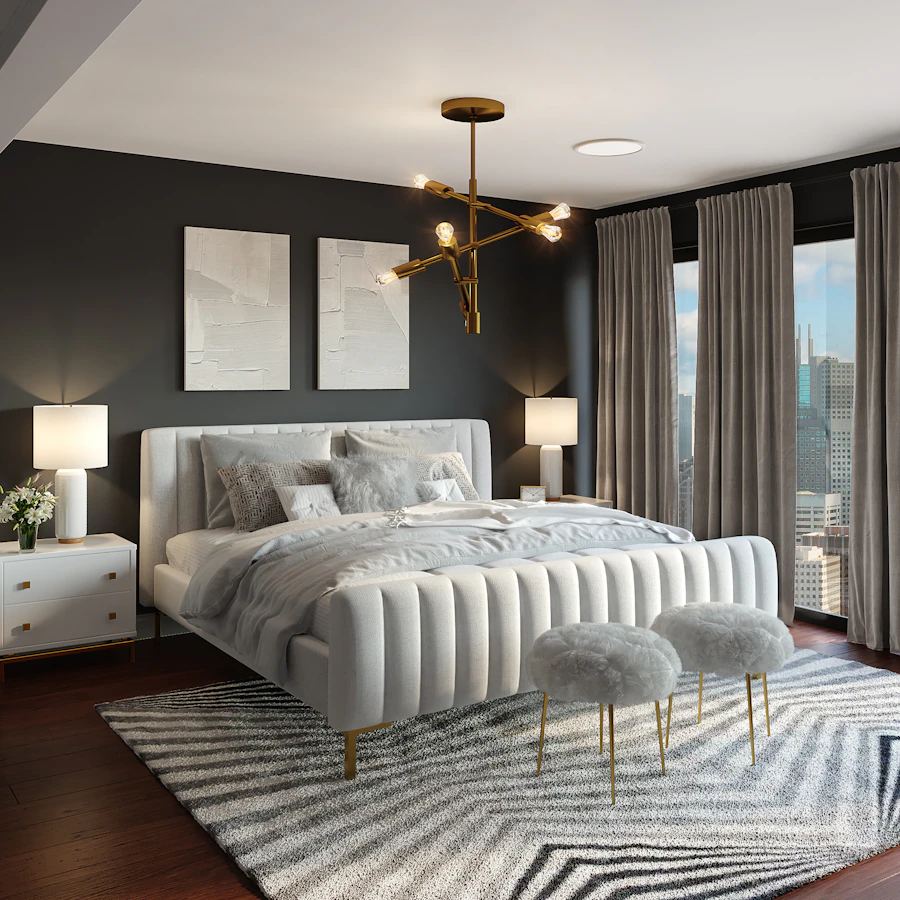
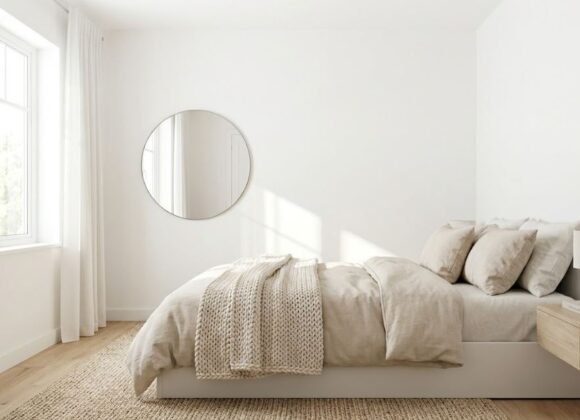
The antidote to a minimalist bedroom feeling flat or monotonous is texture — not more colour. Within a single tonal palette, layering different tactile materials creates depth, warmth, and visual interest without introducing the complexity that additional colours would bring.
Think: a smooth linen duvet, a waffle-weave throw, a rough ceramic lamp base, a smooth timber bedside, a woven rattan accessory, and a soft wool rug — all in variations of cream and warm white. The room is monochromatic but never boring, because every surface offers a different tactile and visual experience.
09. Choose Furniture with Invisible Storage
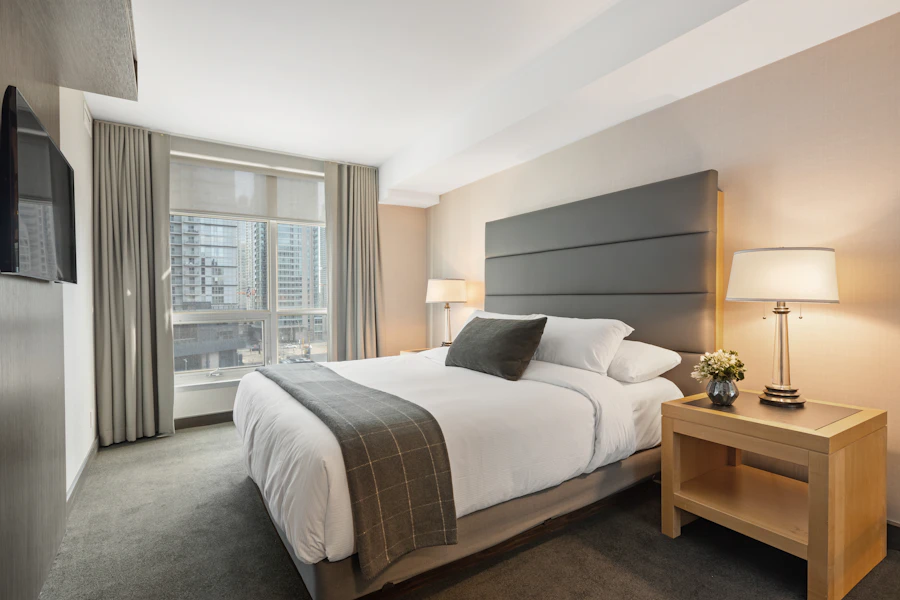
Minimalist bedrooms still need storage — the difference is that the storage should be invisible. Beds with hydraulic lift-up bases, ottomans that open to reveal storage, benches with hidden compartments, and mirrors with concealed shelving behind them all provide function without visual presence.
The goal is for a visitor to look at your minimalist bedroom and wonder where all your things are. The answer — hidden in plain sight inside the bed, the bench, or behind a seamless door — is what makes minimalist design feel so magical rather than simply sparse.
10. Use Only Natural, Unfinished Materials
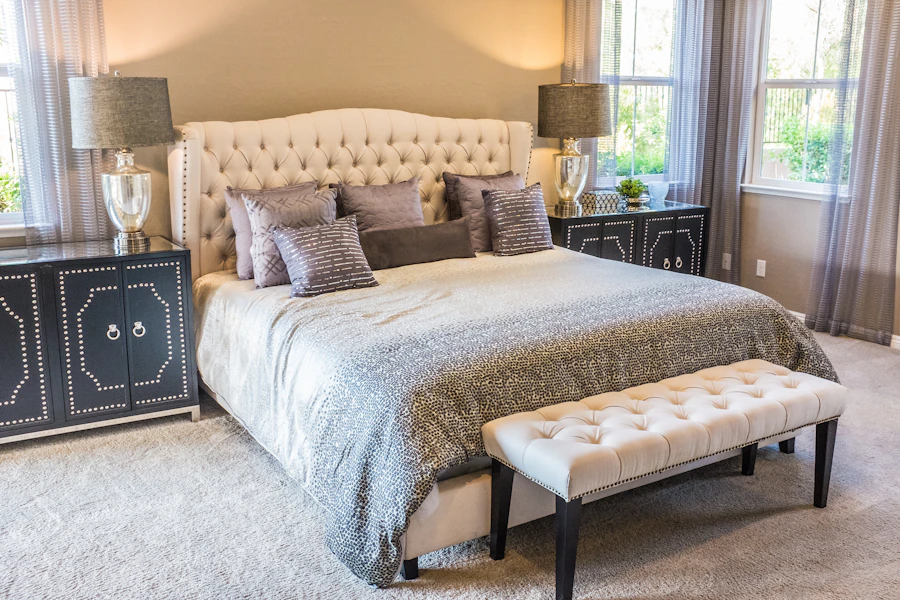
Synthetic finishes — high-gloss laminate, shiny plastics, chrome hardware — work against the minimalist aesthetic in a bedroom. Natural, lightly finished materials bring warmth, authenticity, and a sense of calm that manufactured surfaces simply cannot replicate. Oak, ash, linen, cotton, ceramics, and stone are the vocabulary of the minimalist bedroom.
Raw or lightly oiled timber is particularly effective — it adds colour, grain, and warmth without competing visually with anything else in the room. A simple timber bed frame, a wooden stool, and a ceramic bedside lamp can together create a room that feels genuinely beautiful without a single decorative addition.
11. Let Negative Space Work for You
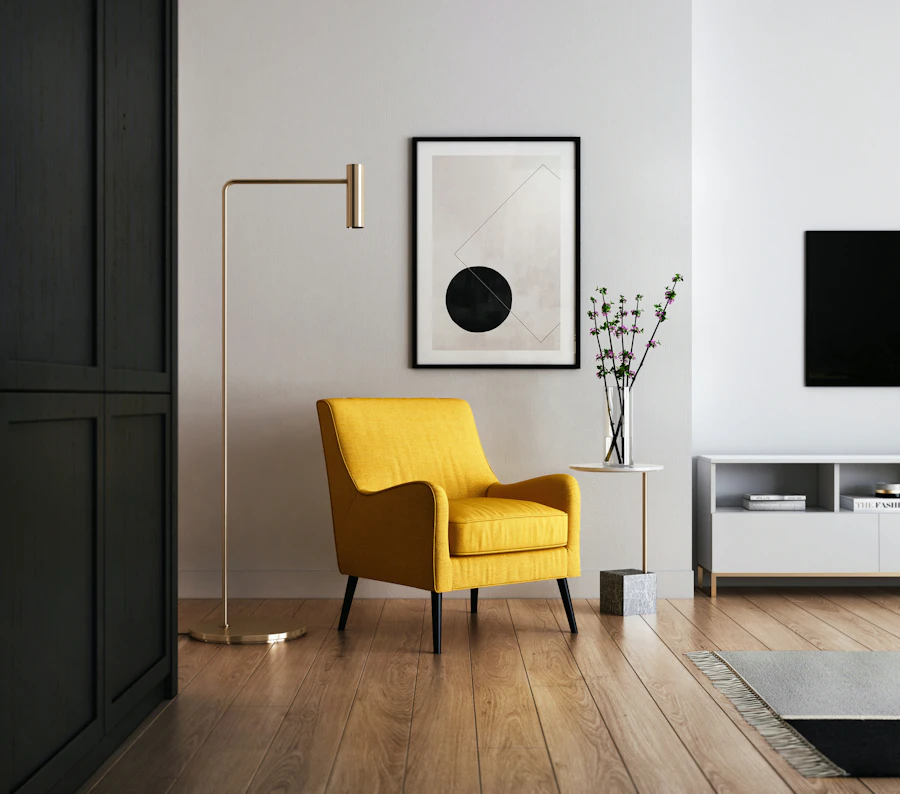
In art and design, negative space — the empty area around and between objects — is as important as the objects themselves. In a minimalist bedroom, large areas of empty wall, clear floor, and uncluttered surfaces are not signs of an unfinished room. They are the design.
Resist the urge to fill every wall and surface. A single piece of art on an otherwise empty wall is more powerful than a gallery covering the entire surface. A bed on a clear expanse of floor reads as intentional and spacious. The empty space gives the eye somewhere to rest and the room somewhere to breathe.
12. Practice Intentional Ownership in Your Bedroom
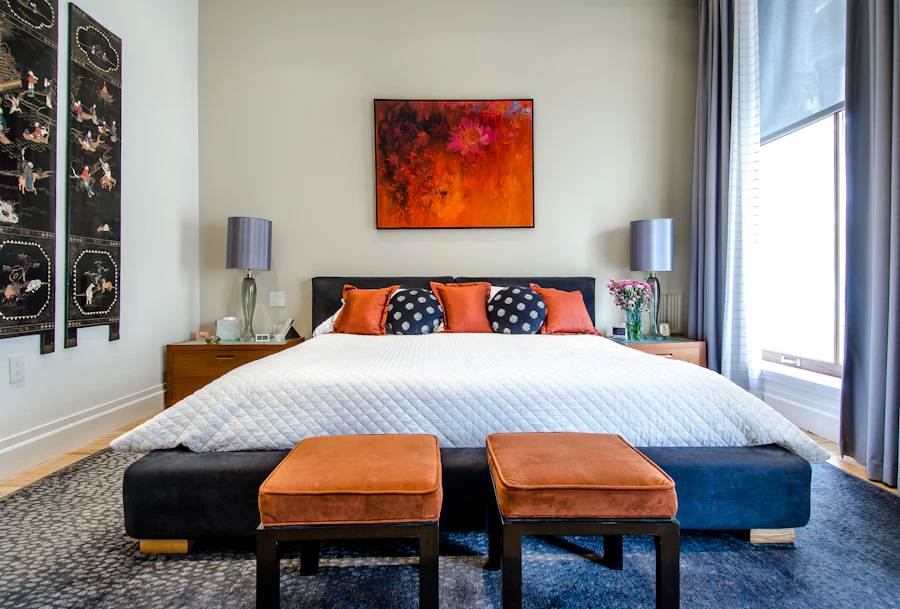
Ultimately, a minimalist bedroom is not a design style — it’s a practice. The most beautifully decorated minimal room will descend into clutter within weeks if the underlying habit of accumulation isn’t addressed. Intentional ownership means asking, before bringing anything into the bedroom: does this genuinely belong here?
A regular edit — every few months, going through the room and removing anything that has stopped serving a purpose — keeps the space from gradually reverting to its previous state. The discipline is ongoing, but the reward is a bedroom that consistently feels calm, spacious, and genuinely restful.
Final Thoughts: Less, but Better
The minimalist small bedroom is not about deprivation — it’s about curating. When you remove everything that doesn’t genuinely serve or delight, what remains is invariably better, more functional, and more beautiful than the cluttered alternative. In a small bedroom, this philosophy has even greater impact.
Start by editing ruthlessly. Remove first, add back only what you genuinely miss. You may find that you miss far less than you expected, and that the empty space you create is the most valuable thing you add to the room.